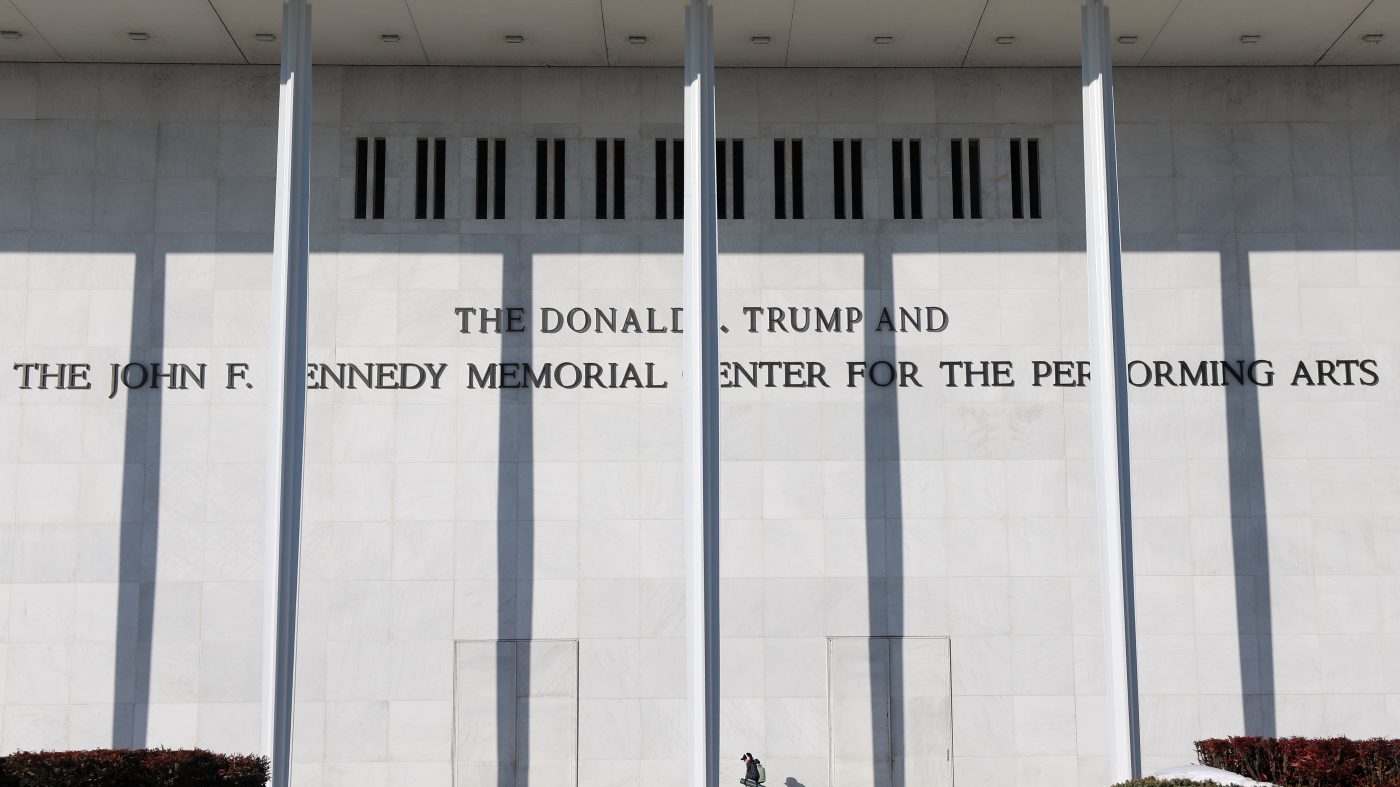
A federal judge dealt a significant blow to President Trump's ambitions for the John F. Kennedy Center for the Performing Arts on Friday, blocking both the addition of Trump's name to the venue and a planned two-year closure for renovations.
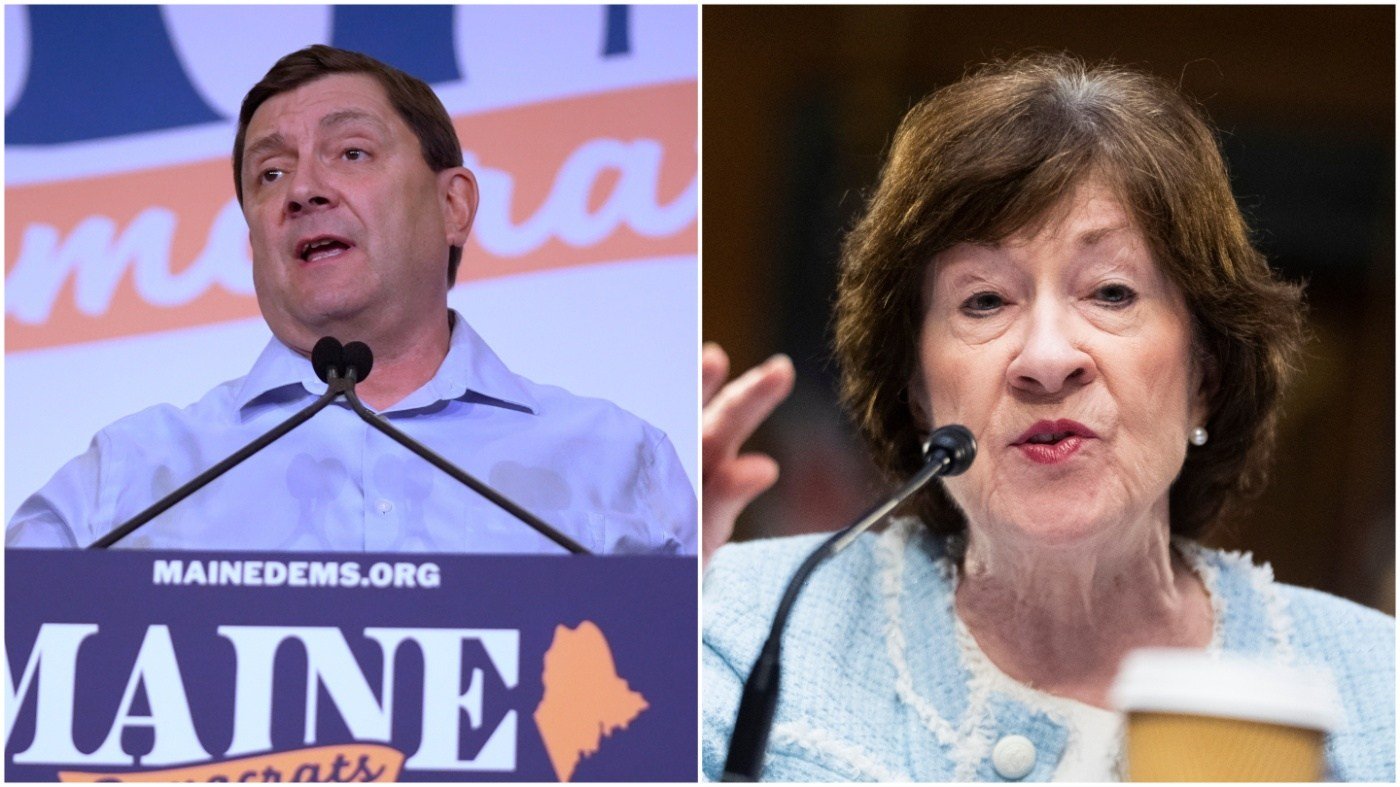
U.S. District Judge Christopher Cooper, an Obama appointee, ruled that the board's actions violated the center's congressional charter, which mandates the institution be named solely for President Kennedy. The decision came in response to a lawsuit filed by Rep. Joyce Beatty (D-Ohio), an ex officio board member who challenged the Trump-aligned board's moves.
“The Kennedy Center’s organic statute makes crystal clear that the Center is to be named for President Kennedy, and it cannot bear any other formal name or public memorial based on the Board’s unilateral say-so,” Cooper wrote in his ruling. “Congress gave the Kennedy Center its name, and only Congress can change it.”
The ruling marks a legal setback for Trump, who has pursued a series of real-estate and renovation projects across Washington, D.C., including plans for a White House ballroom, a public golf course overhaul, a memorial arch, and fountain restorations. The Kennedy Center fight fits into a broader pattern of Trump asserting control over federal landmarks, a topic that has drawn scrutiny amid his broader political battles, such as the ongoing controversy over a Trump-backed July 4th festival that lost most of its acts due to political concerns.
Workers had already added Trump's name to the building's signage late last year. Cooper ordered its removal within two weeks. The judge also voided a unanimous March vote by Trump's handpicked board to shutter the center for a two-year renovation, which was set to begin this summer.
Roma Daravi, the center's vice president of public relations, vowed to appeal the name-change ruling. “We will review the decision carefully though the reality remains — the Center requires an urgent and significant restoration — a truth that even the plaintiff acknowledges,” Daravi said in a statement. “With $257 million secured by President Trump and approved by Congress, the resources are in place and we remain committed to pursuing every lawful avenue to ensure the Trump Kennedy Center is restored as a national cultural landmark for all Americans to enjoy.”
While Cooper blocked the closure, he left the door open for a properly executed shutdown. “The Court is not persuaded that the closure is categorically unwarranted or impermissible under the U.S. Code,” he wrote. “The Court’s preliminary injunction thus does not bar the Board from reconsidering the closure issue in a prudent manner.” He added that necessary maintenance and repair work could continue.
In a separate lawsuit brought by a preservationist group challenging the closure, Cooper sided with the government by declining to intervene immediately. However, he urged officials to “consider voluntary consultation and review with relevant historic preservation and regulatory authorities, even though it may not be legally required.” He emphasized that “no one should dispute the importance of renovating the Center in a manner that befits its historic pedigree and honors President Kennedy in the most thoughtful way possible.”
The ruling comes amid broader tensions over Trump's use of federal properties and his administration's approach to cultural institutions. The legal fight echoes other disputes, such as the ongoing political fallout from Trump's debate performance and his attacks on the Biden family, which have further polarized Washington. For now, the Kennedy Center remains under its original name, and its future closure plans hang in legal limbo.