A new national survey indicates a majority of Americans view President Trump's immigration enforcement policies as overly aggressive, revealing deepening public skepticism toward his administration's approach. The Politico poll, conducted in mid-April, shows 51% of respondents believe the president's agenda crosses the line, while just 26% consider it appropriate and a mere 11% argue it lacks sufficient force.
Shifting Sentiment and Partisan Divides
The disapproval figure represents a two-point increase since January, while the percentage of those who deem the policies "about right" has dropped four points. Notably, a quarter of voters who supported Trump in the last election now describe his immigration stance as too aggressive, up from 21% earlier this year. Conversely, disapproval among voters aligned with former Vice President Kamala Harris has climbed to 80%, a three-point rise.
The partisan chasm widens when examining specific enforcement actions. Among voters identifying with the "MAGA" movement, 54% believe current deportation levels are appropriate, with another 28% calling for even more aggressive measures. Only 15% of this group finds them excessive. Outside the MAGA base, sentiment reverses: 38% view deportations as too aggressive, while 42% see them as appropriate and 16% want increased enforcement.
Public Safety Concerns and ICE Deployments
A significant finding shows 51% of Americans believe the presence of Immigration and Customs Enforcement officers makes cities more dangerous. This perception follows Trump's controversial deployment of ICE personnel to several Democratic-led cities, including Los Angeles, Chicago, Portland, and Minneapolis. Public support for these operations has remained consistently low, with a Reuters/Ipsos survey in February showing just 38% approval—a notable decline from a peak of 50% in March 2025.
The political fallout from these deployments has been substantial. A joint Washington Post, ABC News, and Ipsos survey in February found 58% of respondents believed the president's deportation agenda had gone too far. This polling followed violent clashes in Minnesota between residents and ICE agents during enforcement operations. The situation escalated after federal officers killed two U.S. citizens, Renee Good and Alex Pretti, in Minneapolis—incidents that former Homeland Security Secretary Kristi Noem controversially labeled "domestic terrorism."
Political Repercussions and Legislative Gridlock
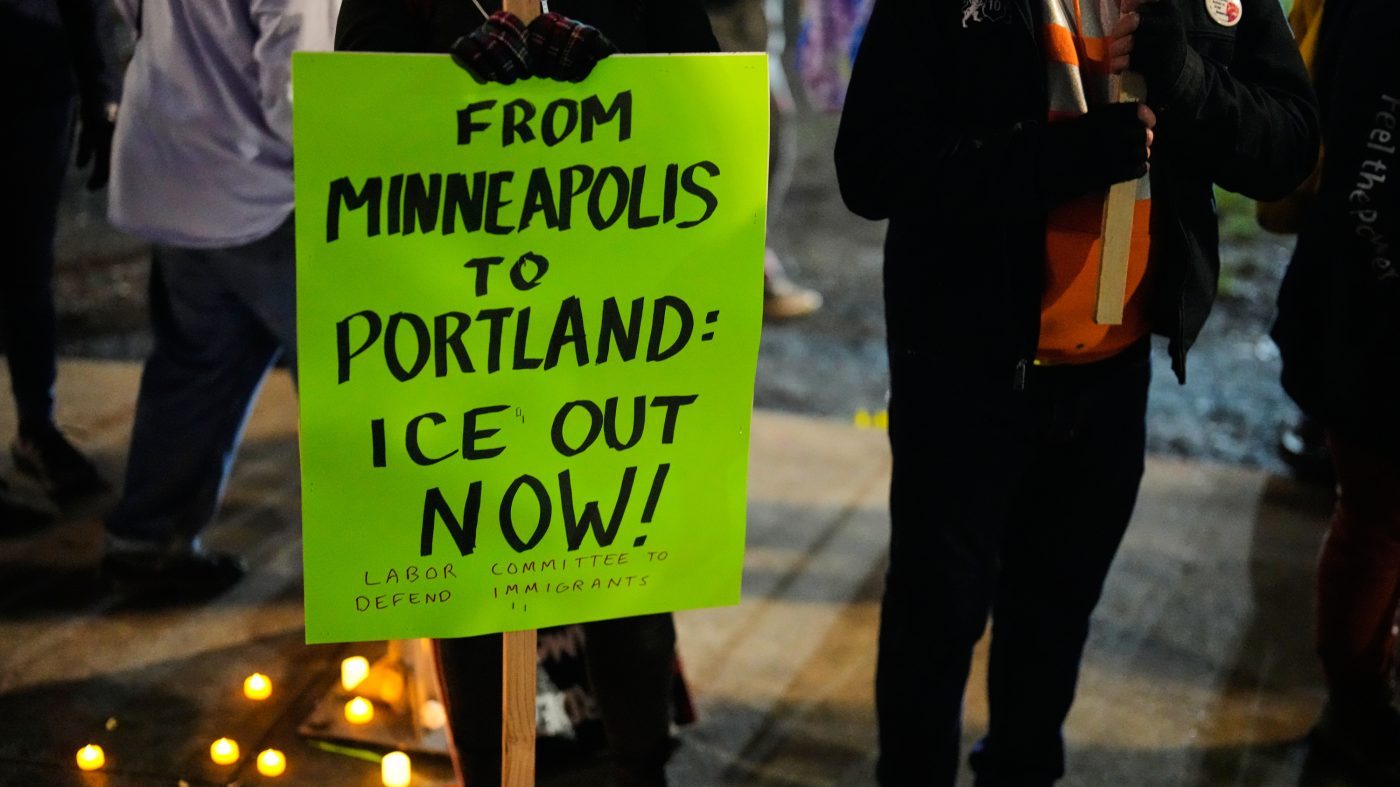
These events triggered nationwide protests demanding an end to mass deportations and spurred Democratic lawmakers to call for sweeping reforms at the Department of Homeland Security, ICE's parent agency. The resulting political standoff has been severe: Democrats have blocked funding measures for the department, causing a partial government shutdown. As of this report, Congress remains deadlocked, having reached neither a funding agreement nor a compromise on ICE's future role and oversight.
The administration's hardline stance has also fueled broader cultural and political conflicts, including notable tensions with religious leaders who advocate for more compassionate approaches. Meanwhile, within his own party, some figures are already looking ahead to how these policies might shape the next electoral cycle, with Democratic activists demanding a forceful 2028 challenger to counter Trump's agenda.
The Politico survey, which interviewed 2,035 adults from April 11-14, carries a margin of error of 2.17 percentage points. It underscores how immigration enforcement remains a deeply polarizing issue that continues to define the political landscape, influence public safety perceptions, and drive legislative impasses in Washington.