Rev. Al Sharpton, the prominent civil rights leader, has framed the early 2028 Democratic presidential field around a single imperative: the party must nominate a bare-knuckled political combatant capable of directly confronting former President Donald Trump. In an interview, Sharpton distilled the sentiment he perceives among Democratic voters, stating they desire a candidate who will enter the political arena with a fighter's mentality against Trump.
"The base wants someone who steps into the ring ready for that decisive battle," Sharpton said, characterizing the mood. "They're looking for the person who will look Trump in the eye and make it clear this is a fight to the finish." He argued this demand stems from a belief that Trump has fundamentally challenged the nation's moral foundations, citing the former president's combative posture toward religious figures and controversial administration actions.
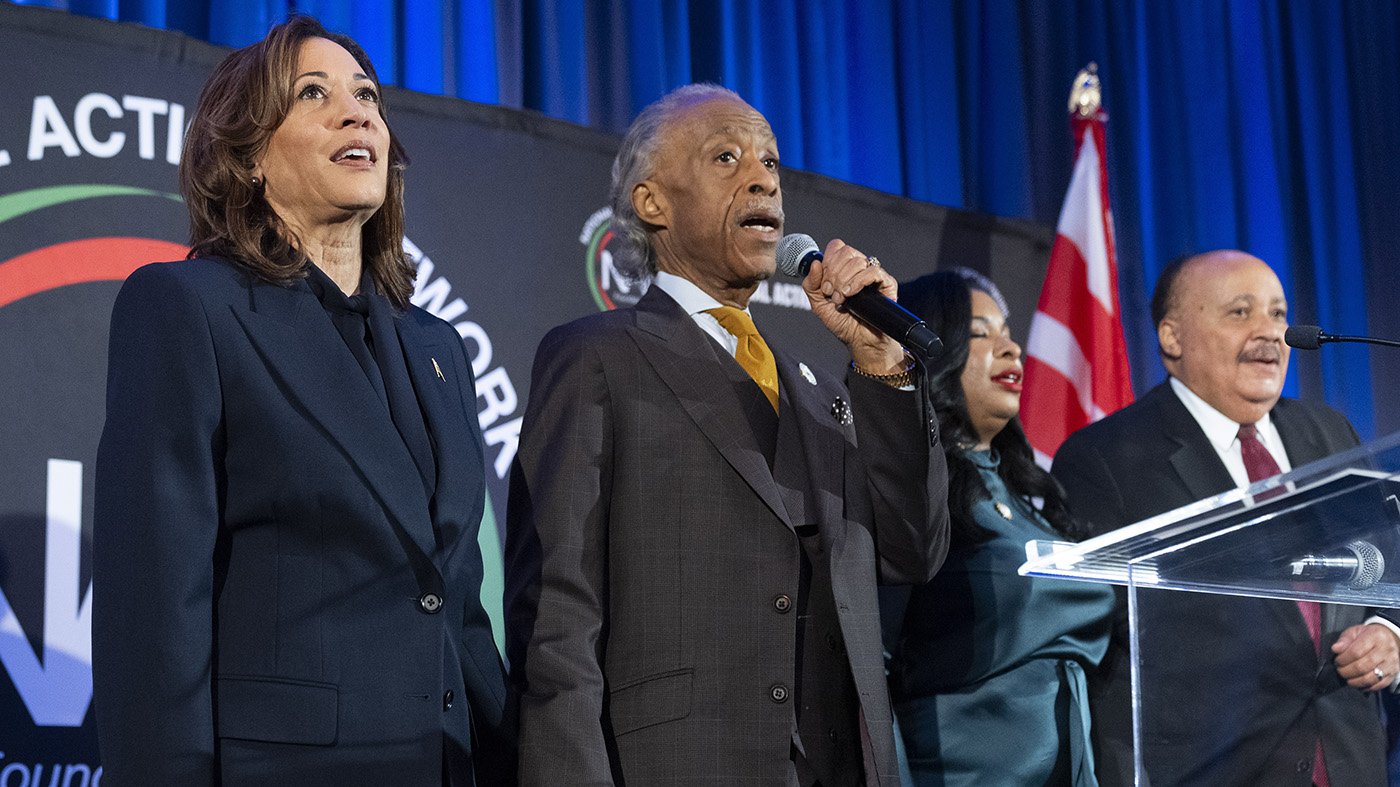
Sharpton's comments follow his National Action Network's annual convention, a major gathering that draws influential Black voters—a constituency essential to Democratic electoral success. The event served as an informal cattle call for potential White House hopefuls, offering a platform to several prominent party figures.
A roster of possible 2028 contenders addressed the convention, including former Vice President Kamala Harris, former Transportation Secretary Pete Buttigieg, Maryland Governor Wes Moore, California Representative Ro Khanna, Pennsylvania Governor Josh Shapiro, and Illinois Governor J.B. Pritzker. The presence of so many high-profile Democrats underscores the intense, albeit early, jockeying to shape the party's post-2024 direction.
From this field, Sharpton identified Harris and Moore as particularly notable. Harris, who lost to Trump in the 2024 election, acknowledged she is "thinking about" another presidential campaign, telling Sharpton she would "keep you posted." Her appearance signals an effort to rebuild a national coalition after her previous defeat.
Governor Moore, who had previously dismissed a 2028 run, appeared to leave the door ajar during his remarks. He urged Democrats to prioritize immediate electoral victories but framed his stance conditionally. "I tell people, I'm hungry but I'm not thirsty," Moore stated. "Show me something now. Show me you are a winter soldier and not a summer soldier. Then we can have a conversation about the future." This rhetorical shift suggests a recalibration as the next cycle approaches.
The call for a pugilistic nominee reflects a Democratic assessment that Trump's political style, marked by personal attacks and norm-breaking rhetoric, requires an equally forceful response. Sharpton's critique extended to Trump's engagement with religious institutions, a dynamic highlighted by the former president's public disputes with papal authority, which have tested longstanding political alliances. This combative approach has defined much of Trump's political career, including his administration's volatile foreign policy maneuvers and domestic policy shifts.
As the Democratic Party navigates its path forward, Sharpton's framing sets a clear benchmark: electability may be secondary to perceived toughness. The early maneuvering at his convention reveals a party already in a shadow primary, testing messages and building coalitions with a critical bloc of voters. Whether figures like Harris or Moore—or another candidate yet to emerge—can embody the "fighter" persona the base reportedly craves will be a central question of the coming years, especially against a Republican frontrunner whose political identity is built on confrontation.