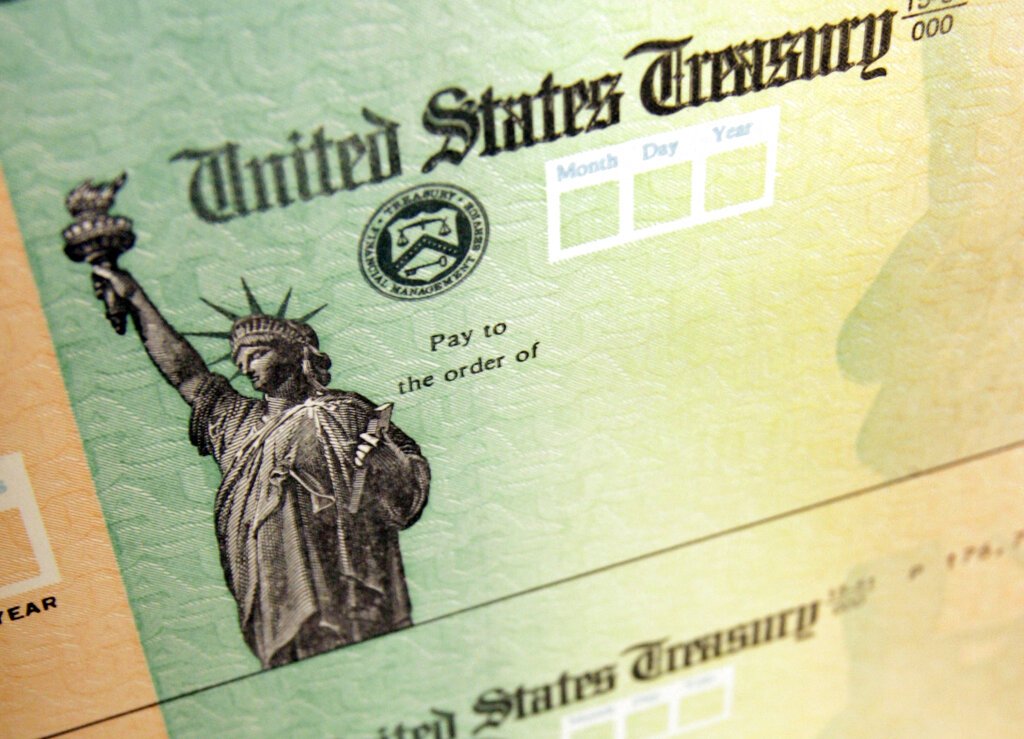
The Social Security Administration is moving decisively to eliminate paper checks, a shift that will affect millions of retirees, disabled workers, and veterans. Under an executive order signed by President Trump last year, the federal government is requiring electronic payments for most benefit programs, with limited exceptions.
The order, which directs the Treasury Department to modernize what Trump called “payments to and from America’s bank account,” aims to boost efficiency and reduce costs. It applies not only to Social Security but also to benefits from the Department of Veterans Affairs and tax refunds issued by the Internal Revenue Service.

What Beneficiaries Need to Do
For those still receiving paper checks, the transition is straightforward. Beneficiaries can switch to direct deposit by logging into their My Social Security account online, calling the agency’s toll-free number, or visiting a local Social Security office. Alternatively, the Treasury Department’s Direct Express debit card offers a preloaded option for those without bank accounts.
“This is about streamlining operations and ensuring payments are secure and timely,” a Treasury spokesperson said. The move is expected to save the government hundreds of millions annually in printing, postage, and processing costs.
Timeline and Exceptions
The phase-out is already underway, with a full transition expected by early 2025. Beneficiaries who do not switch voluntarily will be automatically enrolled in the Direct Express card program. However, the order allows for hardship exceptions, such as for individuals in remote areas without reliable internet or banking access.
Critics warn that the change could disproportionately affect elderly and low-income recipients who are less comfortable with digital systems. Advocacy groups have urged the administration to provide robust customer support and outreach to ensure no one loses access to benefits.
Broader Context
This policy is part of a larger push to digitize federal payments, which Trump has championed as a way to cut waste. It coincides with other Social Security changes, such as the full retirement age rising to 67 for workers born in the 1960s, and ongoing debates about the program’s long-term solvency.
The shift also comes amid heightened security concerns. The administration has cited fraud reduction as a key benefit of electronic payments, noting that paper checks are more vulnerable to theft and forgery. However, cybersecurity experts caution that digital systems require robust protections against hacking and identity theft.
For now, beneficiaries are advised to act promptly. “Don’t wait for a notice in the mail,” said a Social Security spokesperson. “The easiest way to ensure uninterrupted benefits is to sign up for direct deposit today.”