A federal judge in New York on Friday blocked the Trump administration from ending Temporary Protected Status (TPS) for approximately 3,000 Yemeni nationals, a decision that was set to take effect next week. The ruling adds to a growing list of judicial setbacks for the administration's efforts to shrink the TPS program, which President Trump has targeted as part of his broader immigration enforcement agenda.
U.S. District Judge Dale Ho, a Biden appointee, issued a 36-page opinion concluding that the Department of Homeland Security (DHS) had not followed the legally required procedures when it announced in February that it was terminating Yemen's TPS designation. The program, established in 1990, provides temporary legal status and work authorization to foreign nationals from countries experiencing armed conflict, natural disasters, or other extraordinary conditions.
"TPS holders from Yemen are not killers, leeches, and entitlement junkies," Ho wrote. "They are ordinary, law-abiding people who have been granted status to be here because the Government has repeatedly determined, in accordance with the TPS statute, that Yemen is subject to an ongoing armed conflict, and that, due to that conflict, requiring them to return would pose a serious threat their safety."
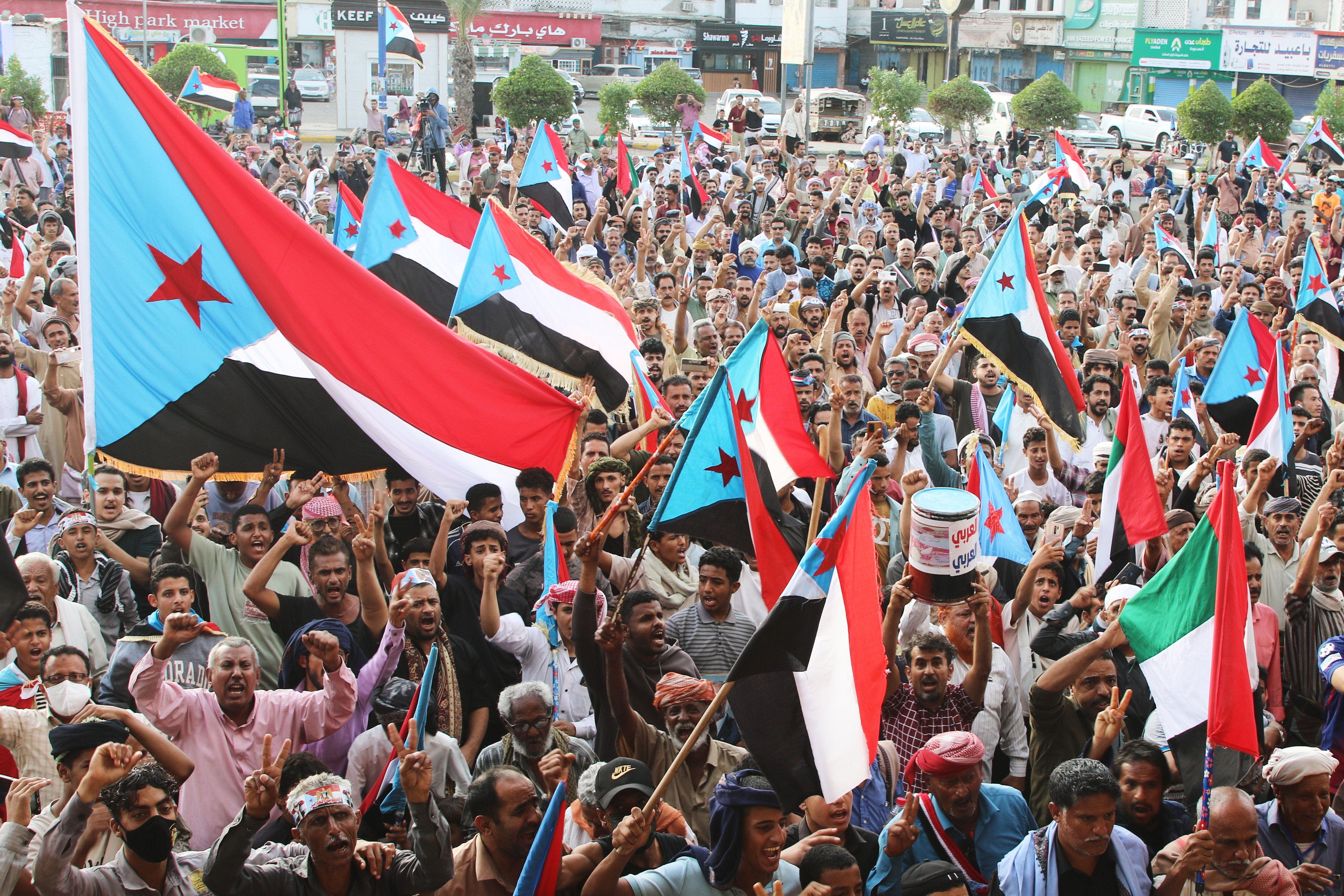
Yemen was first designated for TPS in 2015 after the country descended into civil war when Houthi rebels seized control of the capital, Sanaa. The Trump administration's move to end the protections is part of a broader effort to remove 13 countries from the TPS program, leaving only four nations covered, though their designations are also set to expire later this year. DHS has argued that the Biden administration abused the program and that it needs to be reined in.
While Friday's decision provides temporary relief for Yemeni TPS holders, the broader legal battle is far from over. The Supreme Court is currently weighing whether federal judges have the authority to review TPS termination decisions at all. The Trump administration contends that the statute explicitly bars judicial review, and during oral arguments earlier this week, several conservative justices appeared sympathetic to that argument. A ruling is expected by early summer.
Judge Ho's ruling came in response to two lawsuits filed by Yemeni TPS holders and applicants. One of the plaintiffs, identified under the pseudonym Hadeel Doe, described the decision as a lifeline. "This decision means that my children, who are U.S. citizens, will not be forced back into an environment that threatens them with violence or forced recruitment," Doe said in a statement. The Hill has reached out to DHS for comment.
The case is part of a broader pattern of judicial pushback against Trump administration policies. In a separate matter, a federal judge recently blocked the administration's halt on immigration applications, citing the indefinite limbo it created for applicants. Meanwhile, the administration's aggressive posture toward the judiciary has drawn criticism, with some warning that Trump's attacks on judges threaten judicial independence and safety.
As the Supreme Court prepares to rule on the scope of judicial review in TPS cases, the fate of thousands of Yemeni nationals—and the broader TPS program—hangs in the balance. For now, Judge Ho's order ensures that those protections remain in place, at least until the high court weighs in.