Americans for Prosperity (AFP), the influential conservative super PAC funded by the Koch network, is sounding the alarm that the Republican Senate majority could slip away if the party fails to address voters' top concern: the rising cost of living. In a memo obtained by The Hill and first reported by Politico, AFP senior adviser Emily Seidel and Executive Director Nathan Nascimento warned that internal polling shows a historic shift in voter sentiment.
“For the first time, Democrats are more trusted on the economy and inflation,” the memo states, citing AFP’s own data. The warning comes as the GOP-controlled Senate prepares for a high-stakes 2026 midterm election, where control of the chamber could hinge on economic messaging.
While acknowledging that the One Big, Beautiful Bill Act has made “important progress,” Seidel and Nascimento cautioned that the ongoing war in Iran is driving up energy costs, which “touch virtually every product Americans buy.” They argued that any failure to center campaigns on pocketbook issues “opens a plausible path back to a Democratic Senate.”
The memo underscores the precarious position of the GOP majority, noting that losing key seats in both chambers could mean “a small number of unaligned Members will determine the direction of federal policymaking on the issues that matter most to the families we talk to every day.” This is especially true in the Senate, where the 2026 winners will serve into the early 2030s—a period that will see consequential decisions on Social Security reform, the national debt, long-term economic growth, and Supreme Court nominations.
“The senators elected in 2026 will still be in office in the early 2030s – a period when the country will face some of the most consequential policy decisions of the next generation,” the memo warns. It urges Republican senators and candidates to “use every opportunity they can to make their case for what is being done to lower costs.”
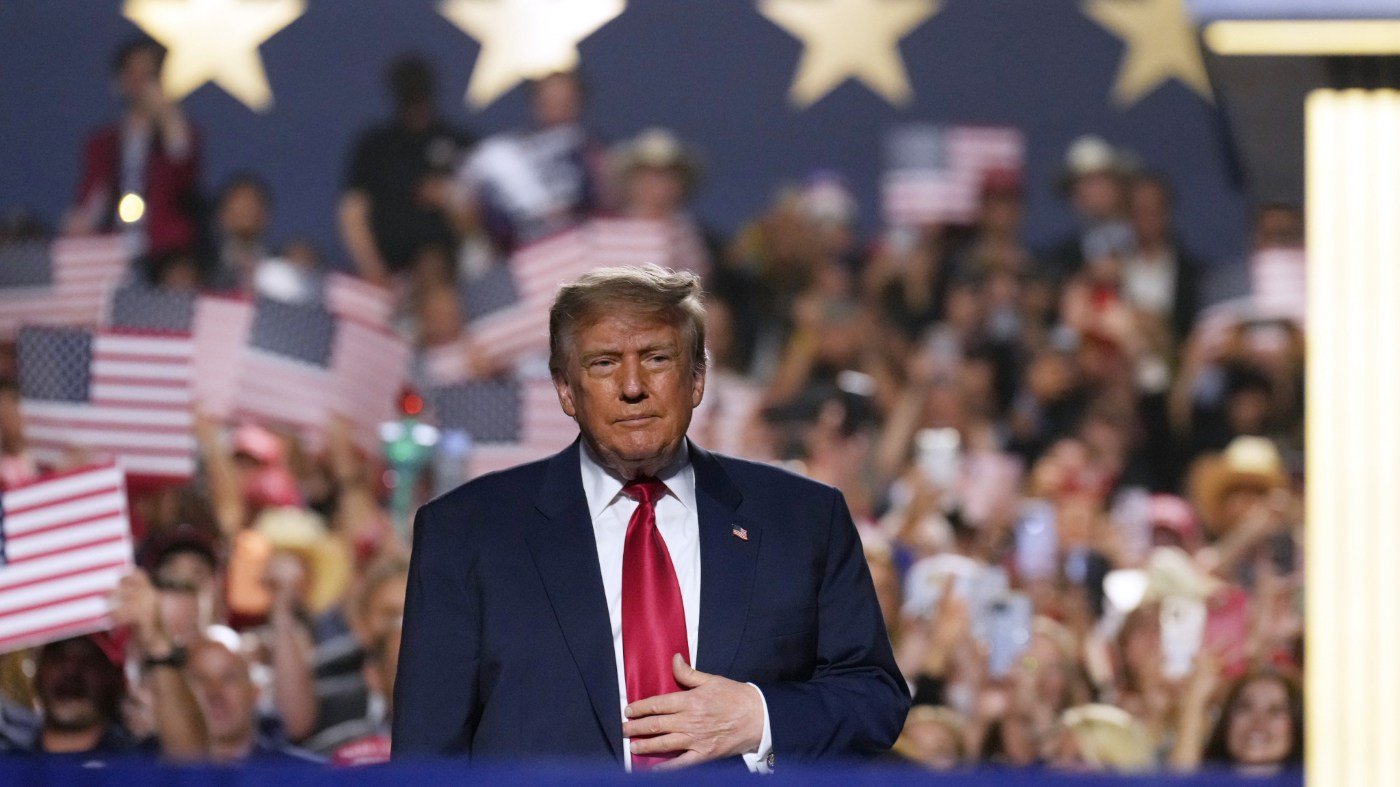
The cost-of-living crisis has already reshaped electoral outcomes. In last year’s special elections, Democrats scored major victories in cities and states where affordability was the dominant issue. President Trump has dismissed affordability as a “hoax” perpetuated by Democrats, but his administration has since rolled out its own economic response ahead of 2026.
However, the economic headwinds are intensifying. The war in Iran has pushed inflation to 3.5% in March, up from 2.8% in February, according to the Commerce Department. AAA data shows the national average for gas spiked to $4.30 on Thursday, as the closure of the Strait of Hormuz—a choke point for about 20% of the world’s oil and gas—continues to disrupt global energy markets.
Rising prices have soured public opinion on Trump’s economic stewardship. An Associated Press-NORC poll last week found his approval rating on the economy slumped to 30%. Fox News polling revealed that 52% of respondents now say Democrats would better handle the economy—an edge not seen since 2010. Meanwhile, a recent Gallup survey found that nearly half of Americans rate the economy as 'poor' as midterms loom.
The AFP memo arrives as a broader GOP warning sign. With control of both chambers on the line, the party faces a critical test: whether it can pivot from internal policy debates to a relentless focus on the economic anxieties that dominate voters’ minds. As Seidel and Nascimento put it, the outcome of the 2026 election will “define the next era of American governance.”