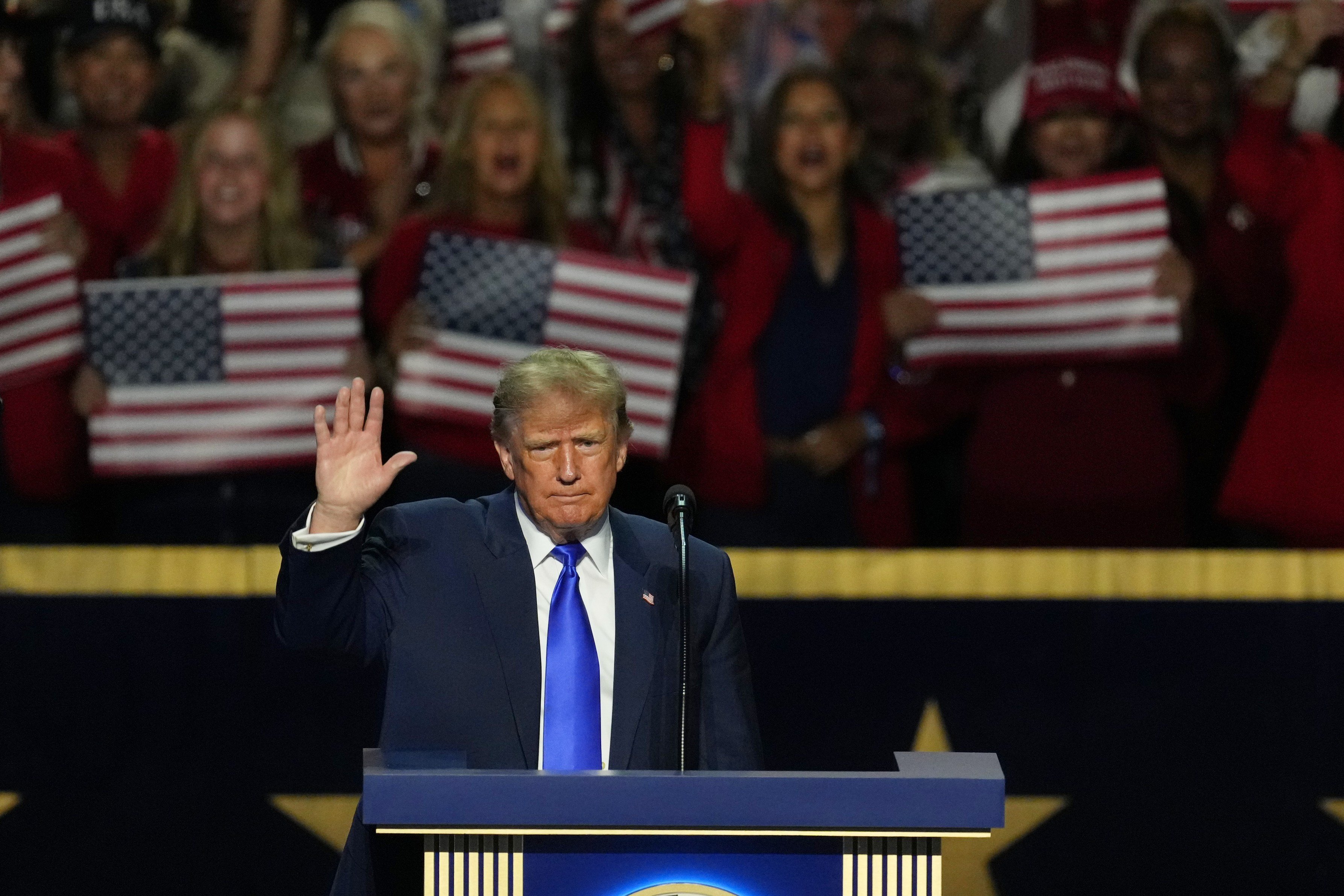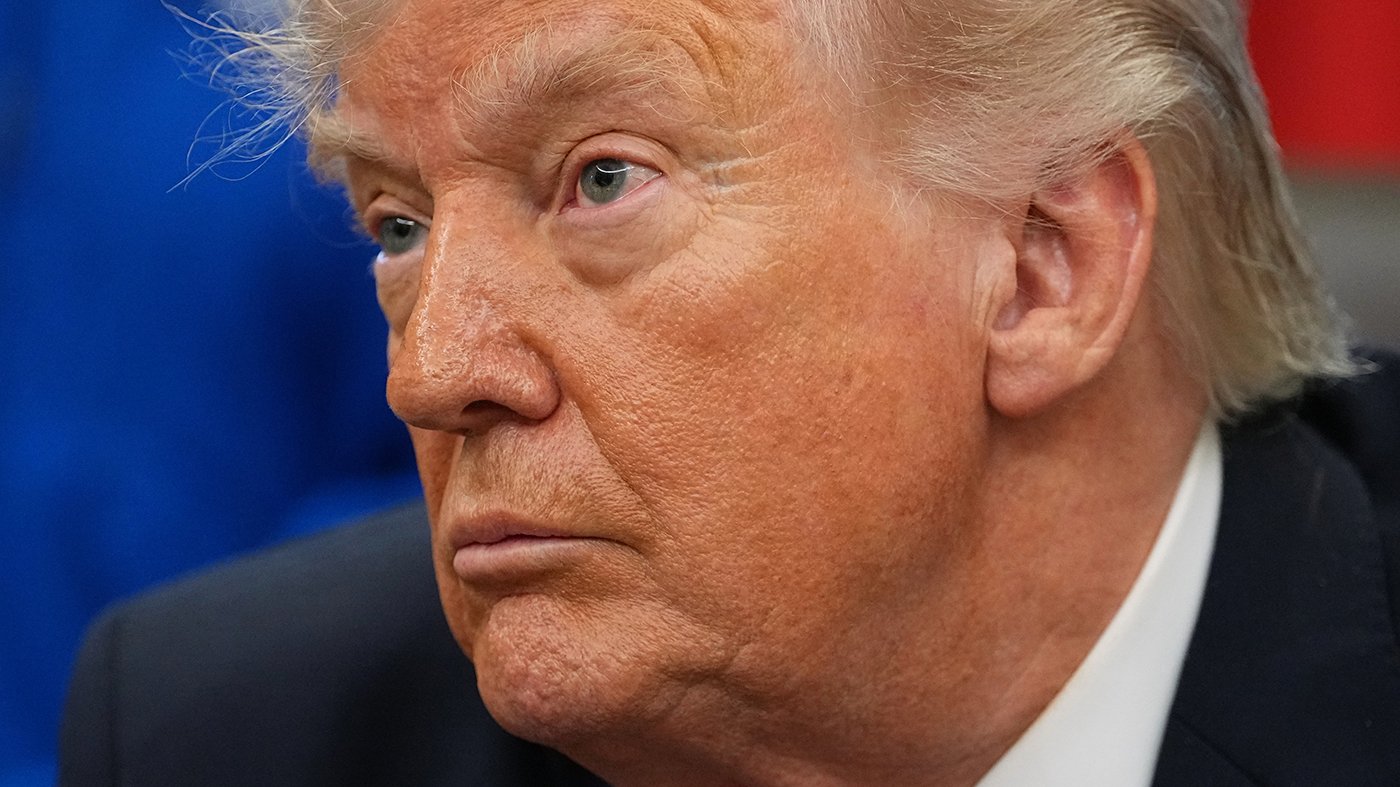
President Donald Trump launched a blistering attack Thursday on the New York Times and CNN, accusing both news organizations of distorting the U.S.-Israeli military campaign in Iran. During an Oval Office event where he signed an executive order expanding retirement savings access for workers, Trump singled out the two outlets, calling CNN “stupid” and claiming the Times’ coverage was “actually seditious.”
The president’s remarks came as he faced renewed scrutiny over the conflict, with Democratic lawmakers pushing to limit his war powers. Trump insisted the U.S. had “militarily decapitated” Iran, adding, “Everyday, I read about how well they’re doing militarily. They’ve got nothing left, they’re done.”
He continued, “And yet I read in The New York Times, I see on stupid CNN –– which I only watch because you have to watch a little bit of the enemy.” Trump claimed the coverage from both outlets suggested “they’re winning the war,” and called the Times’ reporting “actually seditious, in my opinion.” He added, “You read some of these columnists, but it all starts with the top. It’s a terrible thing.”
Trump dismissed the criticism, saying, “I don’t care, and everybody knows the facts. We are decimating the country.” He also expressed concern that his own statements might be misinterpreted, saying, “It’s so sad. I hate to even say that, because when I say that, people out watching, they’ll say, ‘Oh, maybe they’ll win it just by the fact that I’m saying,’ and it’s so ridiculous.”
The New York Times editorial board published a piece Thursday arguing that the U.S. military is “losing its edge” based on the Iran war’s results. The board contended that the “weaker nation is in the stronger negotiating position,” exposing “vulnerabilities in the American way of war,” and wrote, “Tactical success has not yielded victory.”
The editorial followed a tense hearing where lawmakers grilled Defense Secretary Pete Hegseth over his characterization of the war and recent high-profile firings of top military leaders. The conflict is approaching a critical deadline: Friday marks 60 days since Trump formally notified Congress on March 2, two days after the first U.S.-Israeli strikes on Iran this year.
That 60-day limit stems from the 1973 War Powers Act, which requires the president to notify Congress within 48 hours of launching military action in response to imminent or ongoing threats. The law mandates that the executive branch seek congressional approval to continue operations beyond 60 days, though the president can request a 30-day extension for a safe troop withdrawal.
Hegseth argued to the Senate Armed Services Committee on Thursday that a fragile ceasefire between the two countries had paused the 60-day clock. Trump and other administration officials have repeatedly said the conflict would end within weeks; in an April 1 address, the president predicted it would conclude in two or three weeks, a timeframe that has already passed.
For more context on the legal and political battle over the conflict’s duration, see our analysis on the War Powers deadline and the Trump administration’s defiance of Congress. Meanwhile, Trump’s executive order on retirement savings, signed during the same event, is detailed in our report on Trump’s expansion of retirement access for uncovered workers.