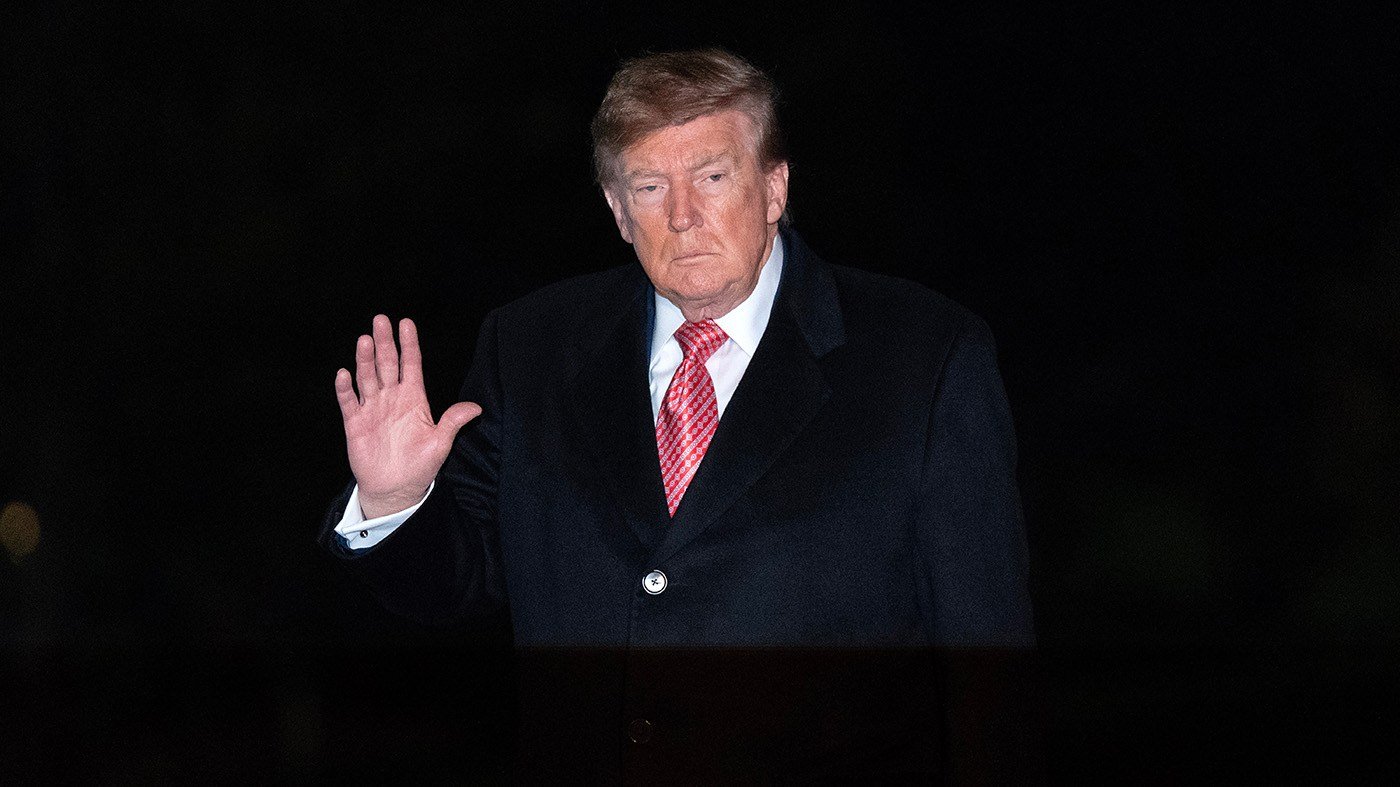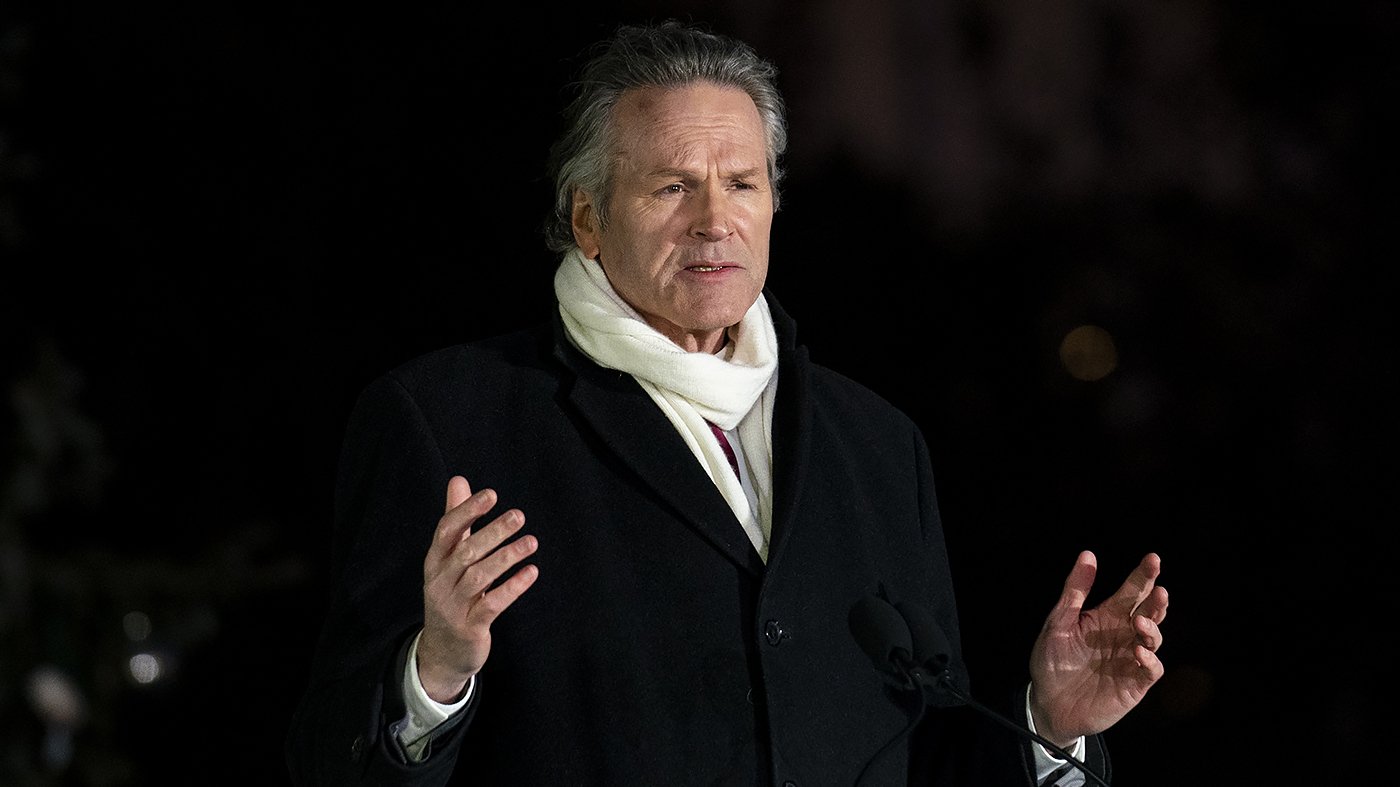
Alaska Governor Mike Dunleavy, a Republican, vetoed a sweeping bipartisan election reform bill on Thursday, arguing that implementing the changes so close to the November elections would place an unacceptable strain on the state's election infrastructure. In a letter to legislative leaders, Dunleavy said the bill would create “significant operational burdens” during an election year that includes contests for governor, lieutenant governor, Congress, and the state legislature.
The legislation, the product of a decade-long bipartisan effort, aimed to give voters the ability to track their ballots and correct minor errors that might otherwise lead to rejection. It also sought to clean up voter rolls by making it easier to remove inactive voters, provide paid postage for absentee mail-in ballots, extend the receipt window to 10 days after Election Day, and allow the use of tribal identification for voting. Additionally, the bill would have created a rural community liaison position within the state elections office.
Governor Cites Security and Timing Concerns
Dunleavy pointed to warnings from the state Division of Elections that the changes would be “extremely difficult, if not impossible, to implement securely and reliably in advance of the 2026 elections.” He emphasized that Alaskans deserve an election process that is “simple, understandable, secure, and implemented with sufficient time for the Division to make necessary changes.” In a separate statement, the governor also flagged potential legal issues with the bill, though he did not elaborate.
The bill passed the state legislature in late March with a combined 39-20 vote across both chambers, reflecting broad bipartisan support. The bipartisan majority coalition announced that a joint session to consider an override is scheduled for next week. According to the Juneau Independent, one absentee lawmaker who supports the bill could push the total to the 40 votes needed to reach the two-thirds threshold required to override the veto.
Lawmakers Push Back on Veto
State Senate Rules Chair Bill Wielechowski, a Democrat, pushed back against Dunleavy's rationale, arguing that Alaska's elections are far from secure. “Governor Dunleavy has said, by his veto, that Alaska's elections are secure enough. Unfortunately, they are not, and even his supporters confirm that,” Wielechowski said in a statement. He noted that the state's voter rolls stood at 114% of the voting-age population in 2022, that ballots are being rejected over technical errors, and that tampering with a voting machine is not explicitly a crime under current law. “This bill addressed every one of those concerns. The Governor had every reason to sign it,” he added.
Dunleavy encouraged lawmakers to use the bill as a “starting point” for future work but made clear his legislative priorities lie elsewhere. “While the Alaska gasline bill is the most important bill this session, I am open to a conversation with lawmakers on how we can address the legal and operational issues this session,” he said. The gasline project, a major energy initiative, has been a key focus for the administration, and Dunleavy's mention of it has raised questions about potential trade-offs. However, Wielechowski told the Juneau Independent he is not willing to trade concessions on the gasline bill for support on the election bill, insisting there are enough votes to override the veto.
The veto comes amid broader national debates over election integrity and access. In other states, similar reforms have faced political headwinds, as seen in Louisiana, where a Supreme Court decision disrupted House primaries. Meanwhile, national Democratic leaders have been grappling with their own election strategy, with DNC Chair Ken Martin withholding the party's 2024 election autopsy, fueling internal speculation. The Alaska override vote will test whether bipartisan cooperation can withstand a governor's veto in a politically divided state.