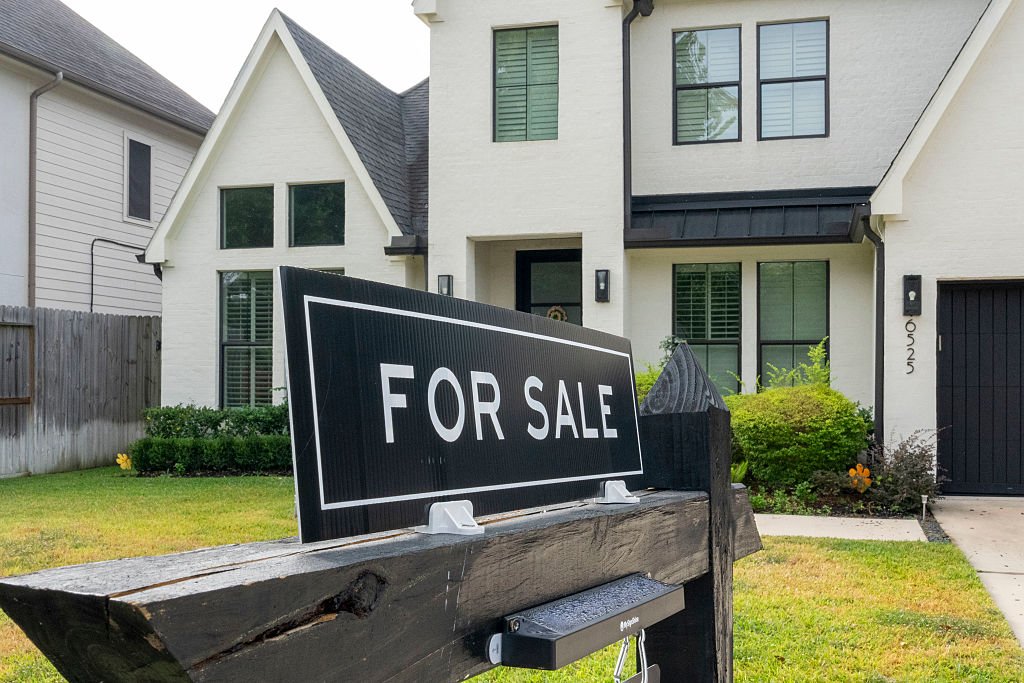
The escalating conflict with Iran is injecting fresh uncertainty into the U.S. housing market, where rising mortgage rates and stubbornly high prices are already sidelining potential buyers. Data released Friday show existing home sales fell 3.6% in March to a seasonally adjusted annual rate of 3.98 million, the lowest level since June 2025. Even as sales soften, the median existing-home price remains elevated at $408,000, squeezing families who are watching their purchasing power erode.
Real estate firm Redfin reports that pending home sales declined 4.1% year over year in the four weeks ending April 12, the steepest drop in more than a year. Realtors say buyer activity, including home tours, is notably weaker than last spring, a sign that the traditional spring selling season is failing to gain traction.

War in Iran Adds to Buyer Hesitancy
“The housing market is really impacted by the war in Iran through the financial markets,” said Jenna Stauffer, a real estate broker. “That influences oil prices, inflation expectations and ultimately mortgage rates.” Indeed, the conflict has driven oil prices above $126 a barrel after the Strait of Hormuz remained closed and nuclear talks stalled, stoking fears of prolonged inflation. March inflation hit 3.5%, adding political pressure on the Trump administration to address rising costs.
The combination of higher energy costs and broader inflation has pushed mortgage rates upward, making homeownership less affordable for many Americans. A new Gallup poll found that only about a quarter of non-homeowners expect to buy a home in the next five years, reflecting deep pessimism about the market’s trajectory.
Political Fallout Mounts
The housing slowdown is adding to a growing list of economic headaches for policymakers. CNBC’s Jim Cramer blasted the latest inflation data as “bad,” linking it directly to the Iran conflict. Meanwhile, House Majority Leader Steve Scalise clashed with a CNBC host over gas prices amid the Iran war fallout, and Democrats have criticized Defense Secretary Pete Hegseth for skipping briefings on the Hill before the conflict escalated.
With gas prices hitting $4.23 a gallon and refinery issues in the Great Lakes pushing prices past $4, consumer confidence is taking a hit. The White House is weighing an extended blockade of Iranian oil, a move that could keep energy costs elevated and further pressure the housing market.
For now, builders and buyers alike are navigating a landscape where geopolitical risk has become a dominant factor. The spring selling season, once a reliable period of increased activity, is shaping up to be one of the weakest in recent memory, with no clear end in sight to the headwinds from the Iran conflict.