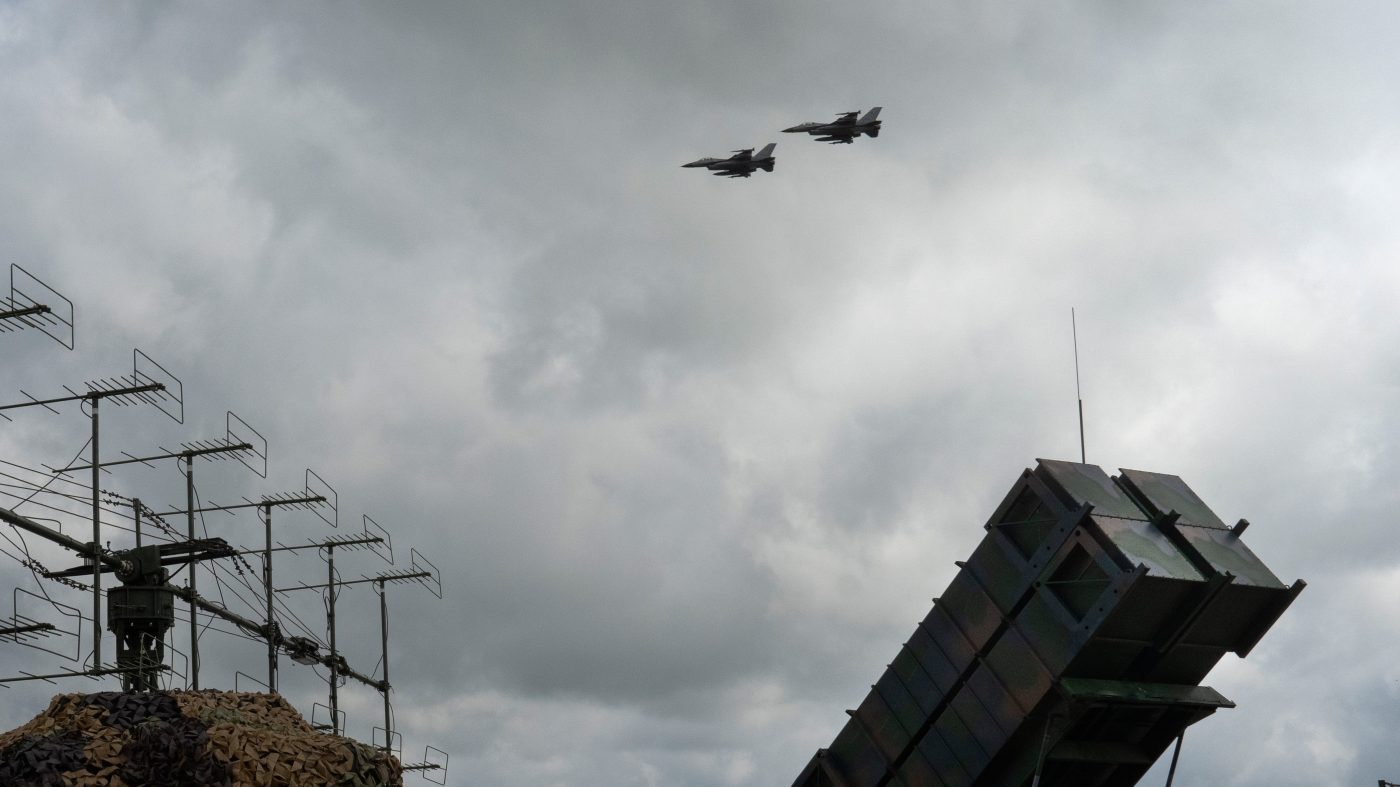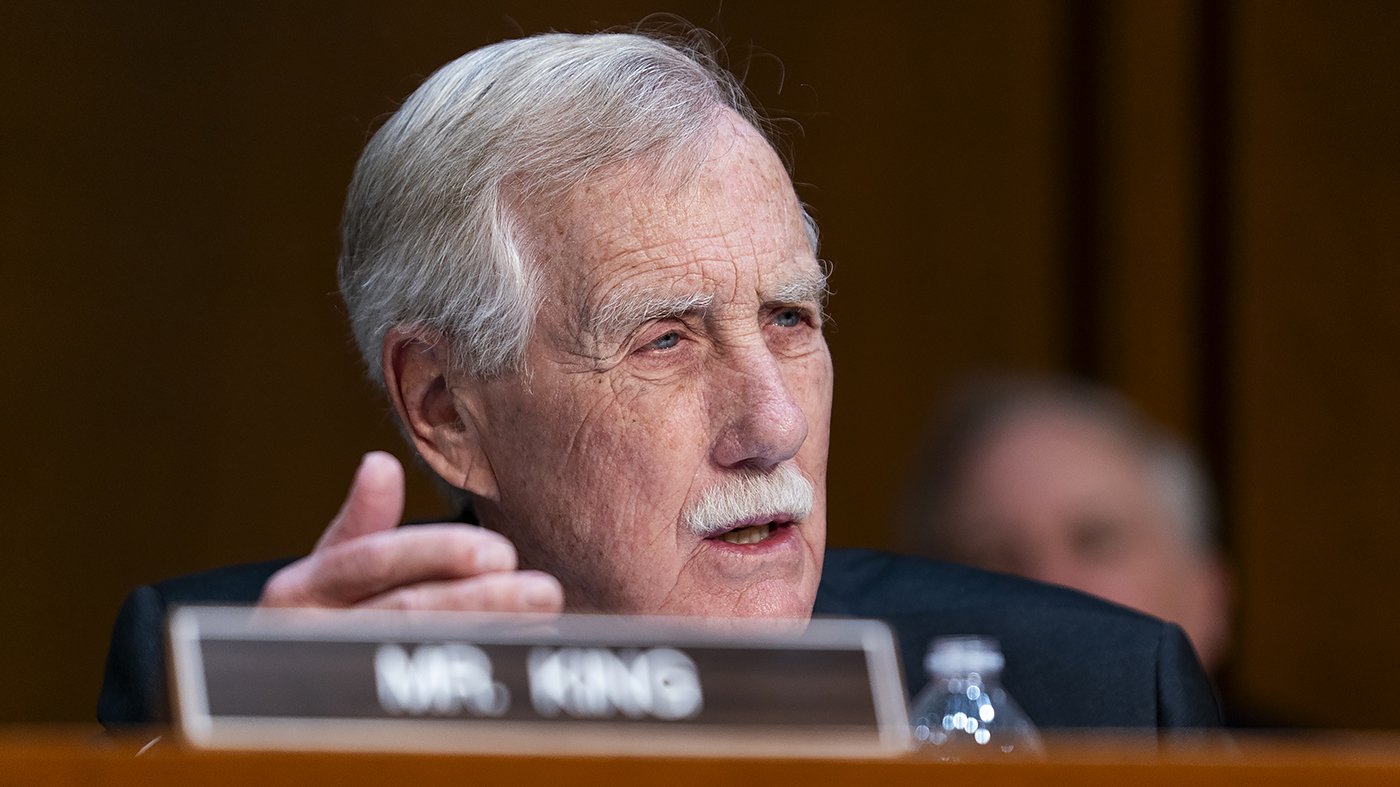
Sen. Angus King (I-Maine) is pushing back against the Pentagon's official cost estimate for the Iran conflict, arguing the real price tag is closer to $50 billion—double what the department reported to lawmakers this week. The independent senator, a member of the Senate Armed Services Committee, told CNN on Thursday that the lower figure fails to capture the full scope of expenses, including repairs to damaged bases and the massive resupply of munitions.
Pentagon acting chief financial officer Jules Hurst III told the House Armed Services Committee on Wednesday that the war has cost roughly $25 billion. But King, in an interview with CNN's Kate Bolduan, dismissed that number as incomplete. “I believe the $50 billion estimate is more accurate,” King said. “That’s the one that I’ve been hearing until yesterday.”
The senator noted that the higher figure translates to about “a billion dollars a day” over the conflict's 60-plus days. He pointed to the extensive damage at U.S. military facilities across the Middle East, which were hit by Iranian retaliatory strikes after the U.S.-Israel offensive on Feb. 28. “There’s a tremendous amount of repair necessary at American facilities throughout the Middle East that were damaged by Iran, not to mention the replenishment of the massive amount of ordinance that’s been expended in the war,” King said.
King acknowledged he doesn’t have an “exact number” for the war’s cost and plans to press the Pentagon for more details. “I’m going to try to make some inquiry into what they based their estimate on, because $25 billion is considerably below all the other estimates I’ve been seeing for the past two months,” he said.
CNN reported Thursday that the Pentagon’s estimate excluded repair costs for damaged bases, which sources said could add $15 billion to $25 billion. The omission has drawn scrutiny from lawmakers, including Sen. Richard Blumenthal (D-Conn.), who pressed Hurst during a Senate Armed Services Committee budget hearing on Thursday. “Does that $25 billion estimate include all of the costs in terms of damage to our bases, the need to replace planes and munitions, and the costs of injuries to our service men and women?” Blumenthal asked.
Hurst replied that facility replacement costs are “probably the hardest thing to estimate right now, because we don’t know what our future posture is going to be, or the future construction of those bases.” The Pentagon declined to comment beyond officials' statements when reached by The World Signal.
The discrepancy comes as lawmakers continue to grill Pentagon leaders over the war's financial toll. In a related hearing, Defense Secretary Pete Hegseth faced tough questions about both the conflict's costs and recent personnel moves, as reported in Hegseth Grilled on Iran War Costs, Pentagon Firings in Senate Showdown. Meanwhile, the Pentagon's initial $25 billion estimate, which emphasized munitions spending, was detailed in Pentagon Reveals $25 Billion Price Tag for Iran Conflict, Munitions Account for Bulk of Spending.
The war's economic ripple effects are also being felt beyond the battlefield. Oil prices have surged, with BP reporting doubled profits to $3.2 billion, as covered in BP Profits Double to $3.2B as Iran Conflict Drives Oil Prices Higher. King’s call for a more accurate accounting underscores ongoing tensions between Congress and the Pentagon over transparency in wartime spending.