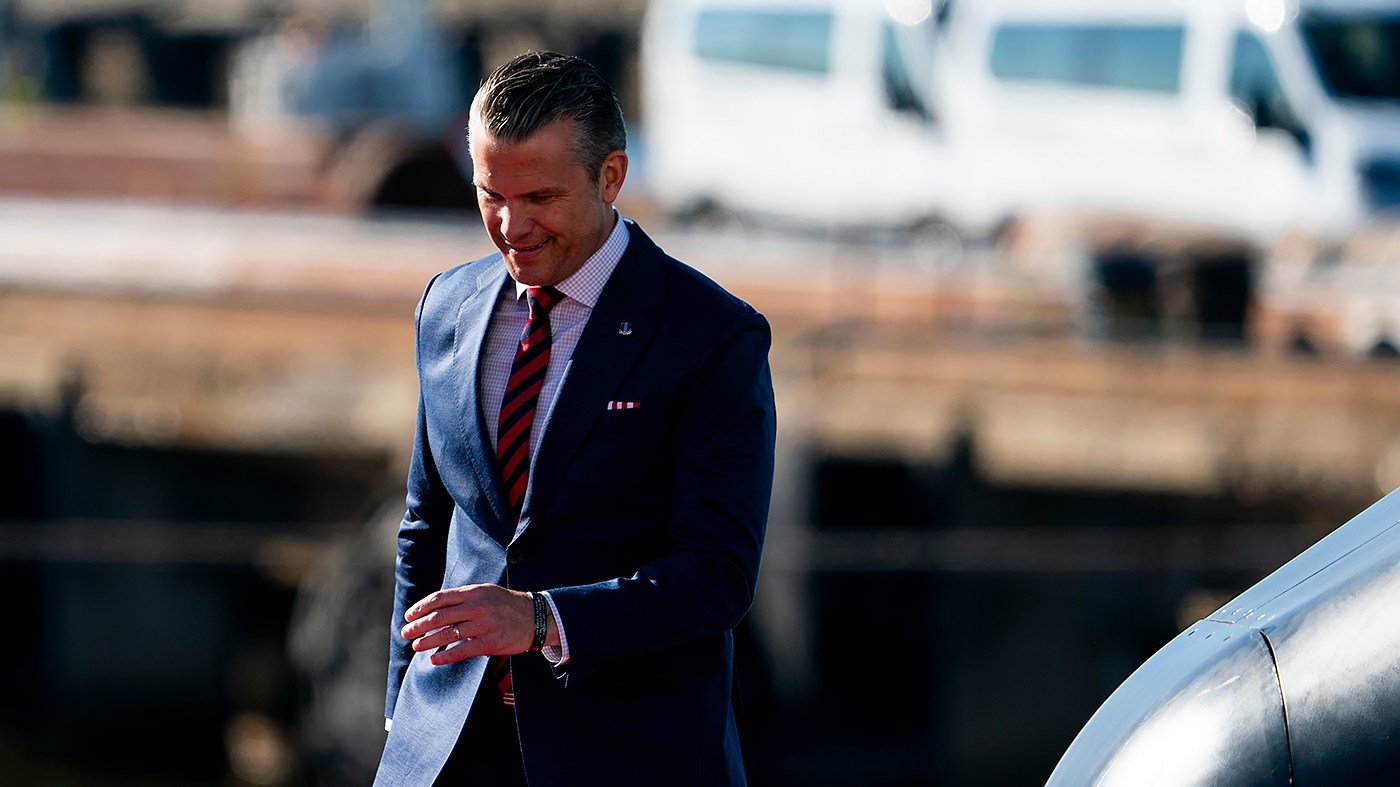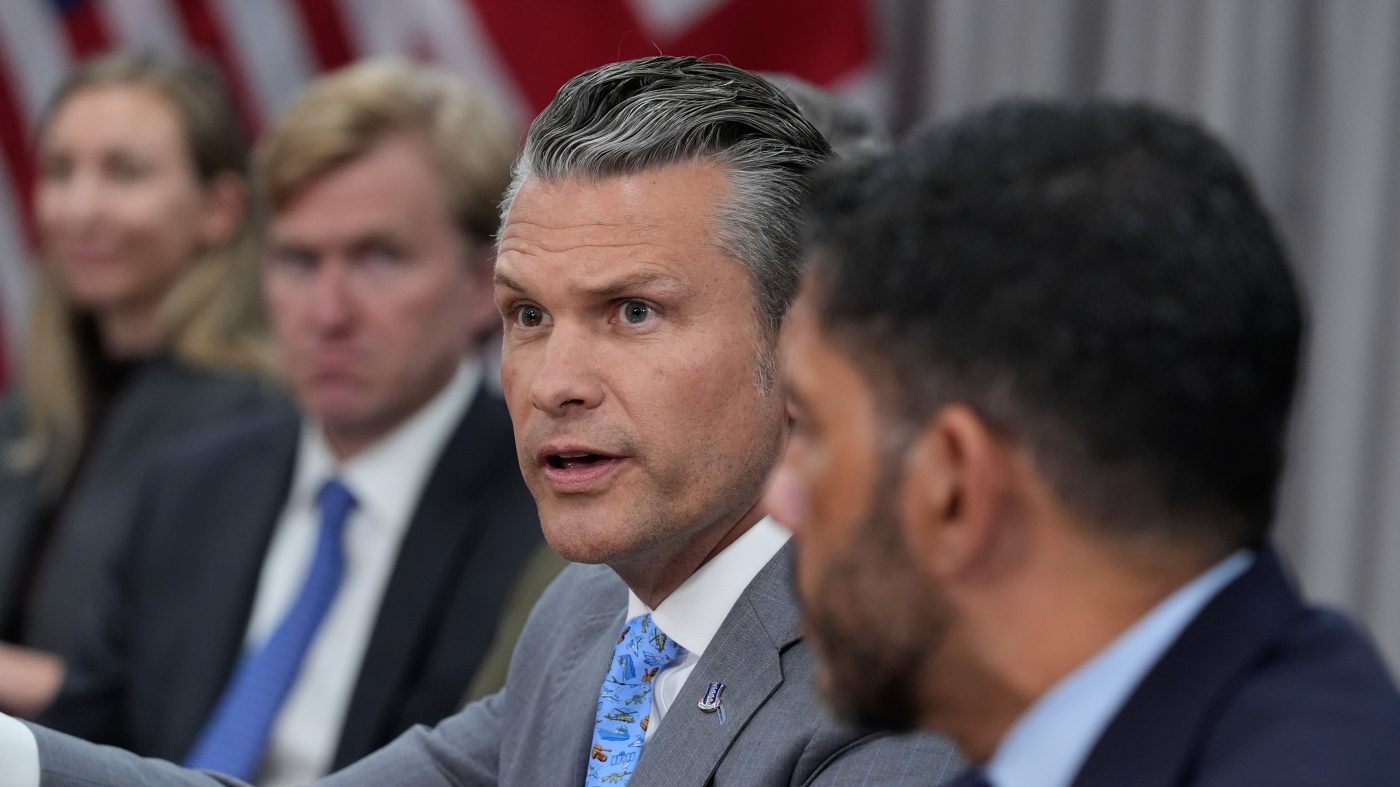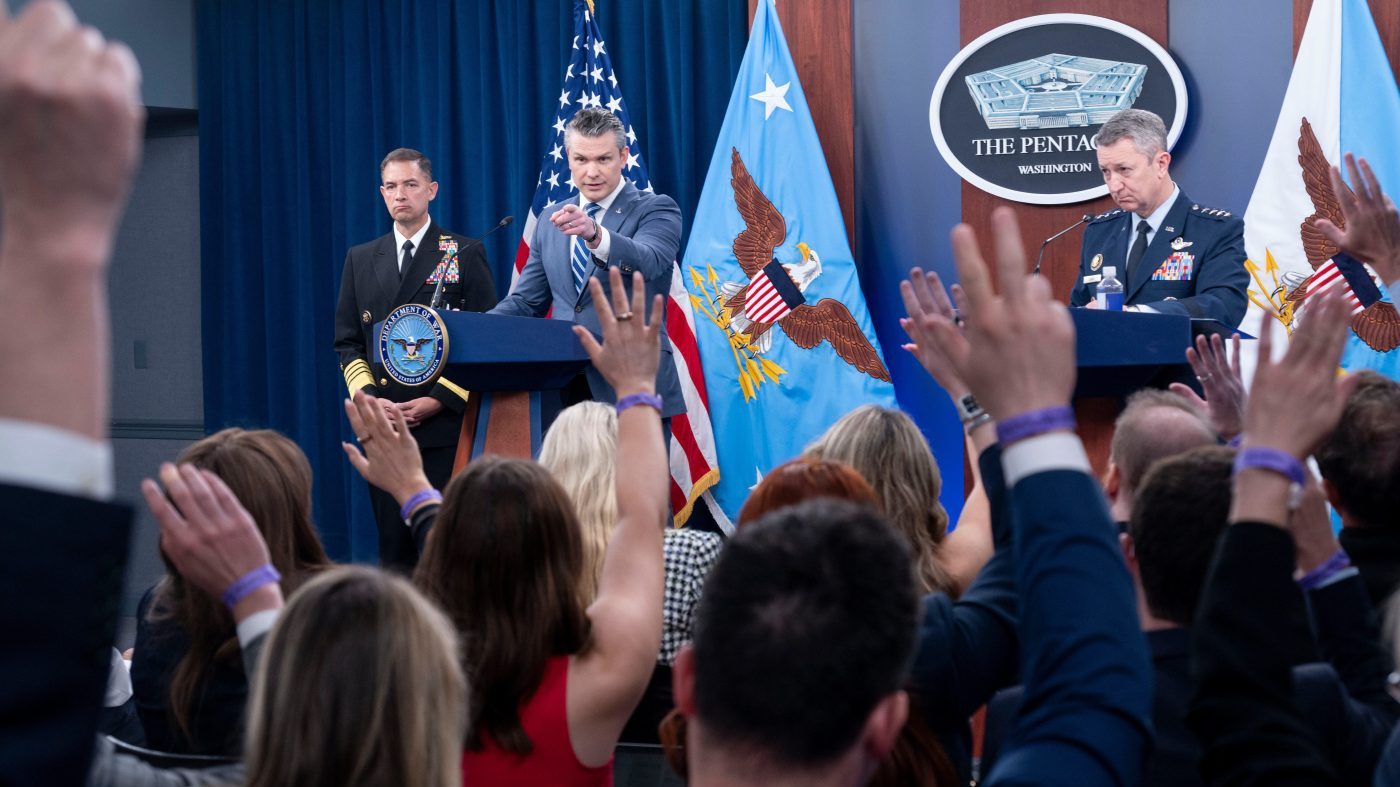
Defense Secretary Pete Hegseth and Joint Chiefs of Staff Chair Gen. Dan Caine are set to brief reporters Tuesday morning on the escalating military confrontation with Iran, as renewed skirmishes in the Strait of Hormuz put the already shaky ceasefire at risk. The press conference, scheduled for 8 a.m. EDT, comes as the conflict reaches a critical juncture both on the battlefield and in Washington.
The U.S.-Iran war passed the 60-day mark last week, but the Trump administration has argued that the temporary truce effectively paused the clock under the War Powers Act—a law that restricts a president's ability to deploy troops without congressional approval beyond 60 days. President Trump has publicly called that timeline unconstitutional, setting the stage for a constitutional clash with Capitol Hill.
Sen. Lisa Murkowski (R-Alaska) is leading a bipartisan push for a floor vote on a resolution that would authorize the use of military force beyond the 60-day threshold. The move follows weeks of tit-for-tat strikes that have rattled global markets and raised fears of a wider war. But not all lawmakers are on board, and the resolution faces an uncertain path in a deeply divided Congress.
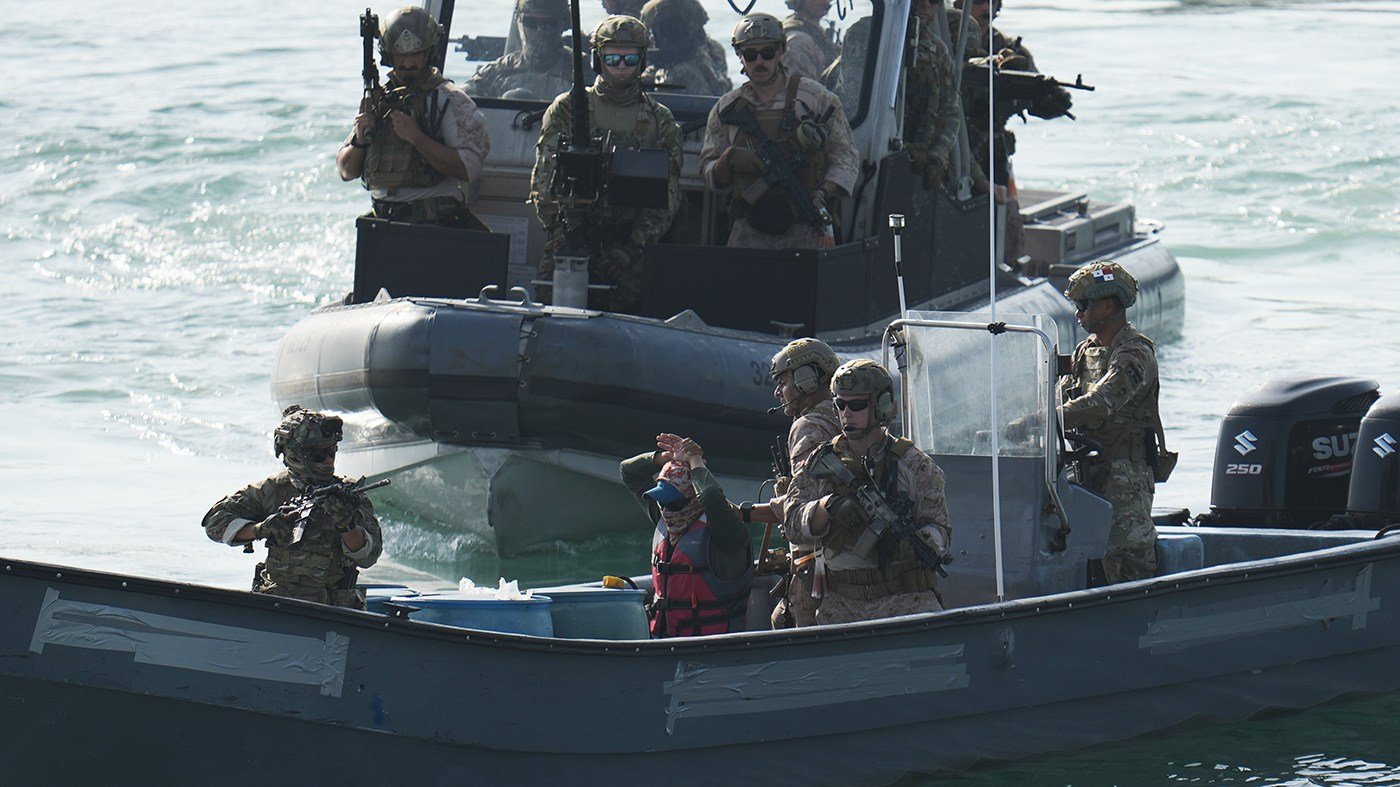
The briefing comes amid fresh exchanges of fire in the Strait of Hormuz, where Iranian forces have targeted U.S. naval vessels and American retaliatory strikes have destroyed Iranian patrol boats. The waterway, a critical chokepoint for global oil shipments, has become the epicenter of the conflict, with both sides accusing each other of violating the ceasefire.
Tehran has accused Washington of breaching the truce, while U.S. officials insist they are acting in self-defense. The standoff has sent gas prices surging and prompted the Navy to escort commercial vessels through the strait under fire. The economic fallout is already hitting American consumers, with the national average for a gallon of gas nearing $4.50.
The Trump administration has also pressed allies for support. President Trump has pressured South Korea to join the conflict, while Treasury Secretary Scott Bessent has promised relief at the pump once the strait is secure. Transportation Secretary Sean Duffy has echoed that pledge, vowing immediate gas price relief once the waterway reopens fully.
Meanwhile, the Pentagon's "Project Freedom" initiative has sparked new clashes in the strait, further imperiling the ceasefire. Critics argue the administration is escalating without clear congressional authorization, while supporters say decisive action is needed to deter Iranian aggression and protect global energy supplies.
Tuesday's briefing is expected to lay out the military's assessment of the situation and outline the administration's next steps. With the War Powers Act deadline looming and a congressional vote on the horizon, the stakes could not be higher for both the White House and lawmakers on Capitol Hill.