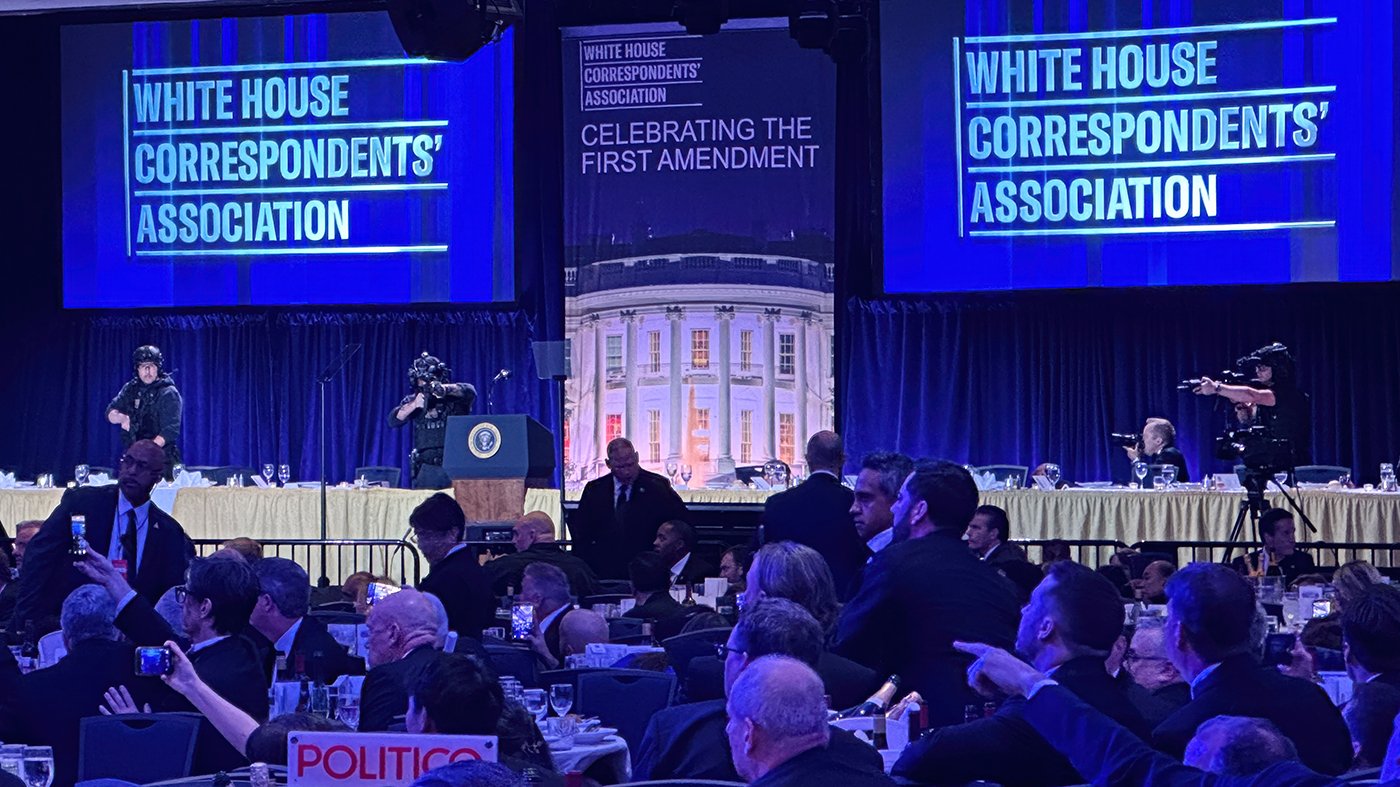
A federal magistrate judge on Monday sharply criticized the treatment of Cole Allen, the man accused of opening fire at the White House Correspondents' Association dinner last month, calling the conditions he faced in jail deeply troubling.
Magistrate Judge Zia Faruqui voiced alarm over Allen being placed on suicide watch, subjected to repeated strip searches, and held in constant isolation from the general inmate population. The judge's remarks came during a detention hearing for Allen, who faces federal charges including attempting to assassinate the president.
“I am very troubled by what they indicate the conditions that you have been subjected to,” Faruqui told Allen, according to NBC News. “I’m sorry. It sounds like things have not been the way they’re supposed to.”
Allen was removed from suicide watch on Friday but remains in a form of protective custody, separated from other inmates, NBC reported. The hearing took place just over a week after the April 25 shooting at the Washington Hilton, which forced the evacuation of President Trump, Vice President Vance, and other top officials by the Secret Service amid a crowd of more than 2,000 guests.
Prosecutors allege Allen sprinted past Secret Service agents while armed with guns and knives. He is charged with one count of attempting to assassinate the president, transportation of a firearm and ammunition across state lines with intent to commit a felony, and discharging a firearm during a crime of violence.
U.S. Attorney for the District of Columbia Jeanine Pirro quickly pushed back against the judge’s apology, posting on X that Faruqui “believes a defendant armed to the teeth and attempting to assassinate the president is entitled to preferential treatment in his confinement compared to every other defendant.”
But Faruqui countered that his concern is rooted in due process. “My concern remains if this is what’s happening in this case, what’s happening in every other case,” he told attorneys Monday, noting that inmates convicted of homicide are often housed under “less restrictive” conditions.
Tony Towns, acting general counsel for the D.C. Department of Corrections, acknowledged that Allen was deemed a suicide risk during an evaluation, but said that assessment was not included in his official record, according to CBS News. Faruqui ordered the department to produce the evaluation form and provide an update by Tuesday morning on Allen’s continued detention ahead of trial.
Assistant U.S. Attorney Jocelyn Ballantine told the court that Allen told FBI agents he did not expect to survive the attack, which she argued justified suicide precautions. “It’s clear he did not expect to survive it, which gives rise to potential concern for suicide,” she said, per CBS. However, Allen’s attorneys insist their client has shown no signs of suicidal behavior.
The suspect has been held without access to a tablet or a Bible—items he requested, along with a visit from a chaplain, as he prepares for his legal battle. Faruqui remarked that the conditions Allen faces “could drive a person crazy to be in that situation,” according to the Associated Press.
The case has already sparked broader debate about judicial independence and the treatment of high-profile defendants. For more on the political fallout, see our analysis of how Trump's attacks on judges threaten judicial independence. Meanwhile, the WHCA dinner attack has also prompted soul-searching within the media, as detailed in this report on the media's role in political violence.