President Donald Trump on Monday called on South Korea to enter the ongoing military conflict with Iran, following an explosion aboard a South Korean cargo vessel in the Strait of Hormuz. The waterway has been effectively sealed off by Tehran as part of its broader confrontation with the United States and Israel.
Trump announced Sunday that the U.S. would begin escorting commercial ships through the strait under a mission dubbed “Project Freedom.” Iran responded by warning it would open fire on any vessels attempting to transit the chokepoint without permission.
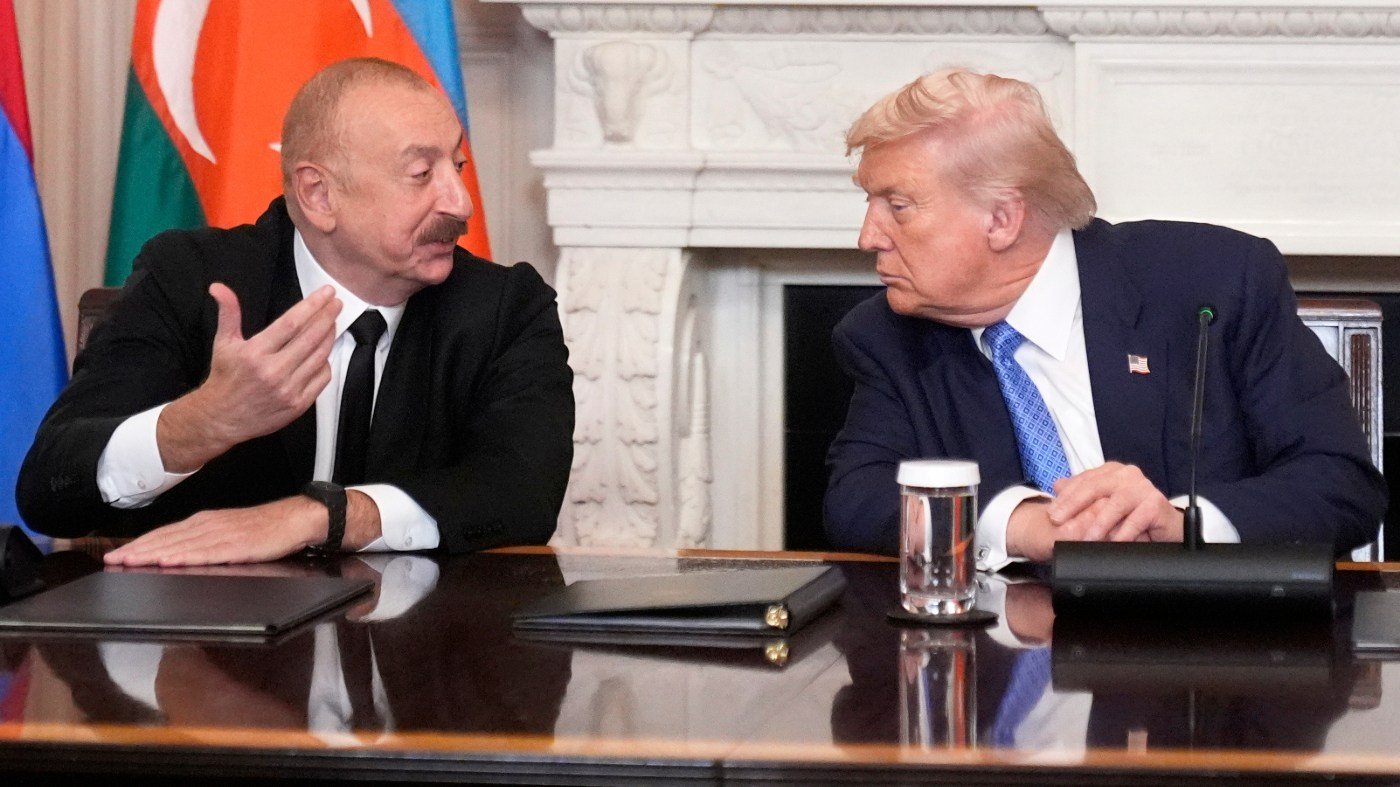
“Iran has taken some shots at unrelated Nations with respect to the Ship Movement, PROJECT FREEDOM, including a South Korean Cargo Ship. Perhaps it’s time for South Korea to come and join the mission!” Trump wrote in a statement posted on X.
He added, “We’ve shot down seven small Boats or, as they like to call them, ‘fast’ Boats. It’s all they have left.”
The explosion, which occurred on a Hyundai Merchant Marine vessel, remains under investigation by Seoul. South Korea’s foreign ministry has not ruled out the possibility of a deliberate attack. The ship was carrying 24 crew members, including six South Korean nationals, but no casualties were reported, according to Reuters.
“Our government will communicate closely with relevant countries regarding this matter and take necessary measures to ensure the safety of our vessels and crew members inside the Strait of Hormuz,” the ministry said in a statement.
A total of 26 South Korean ships remain stranded due to the closure of the strait, a vital conduit for global energy shipments. South Korea depends on the Middle East for 70 percent of its crude oil and roughly 20 percent of its liquefied natural gas imports. The disruption has already sent energy costs climbing and rattled crude oil markets.
Trump has previously criticized South Korea, Japan, Germany, and other allies for not stepping up to help secure the strait. The U.S. naval blockade and Iran’s threats to fire on vessels have severely limited commercial traffic through the waterway.
Peace talks between Washington and Tehran remain deadlocked, with both sides rejecting each other’s proposals for a longer-term ceasefire. The standoff has raised questions about the administration's broader strategy in the region, especially given the contrast with its approach to North Korea. Why Iran faces war while nuclear North Korea got a pass remains a point of contention among analysts.
The escalating crisis also highlights growing rifts within the Western alliance. Transatlantic rifts deepen as Meloni breaks with Trump over Iran, energy, and domestic politics, signaling that the administration's confrontational approach may be isolating the U.S. from key partners.
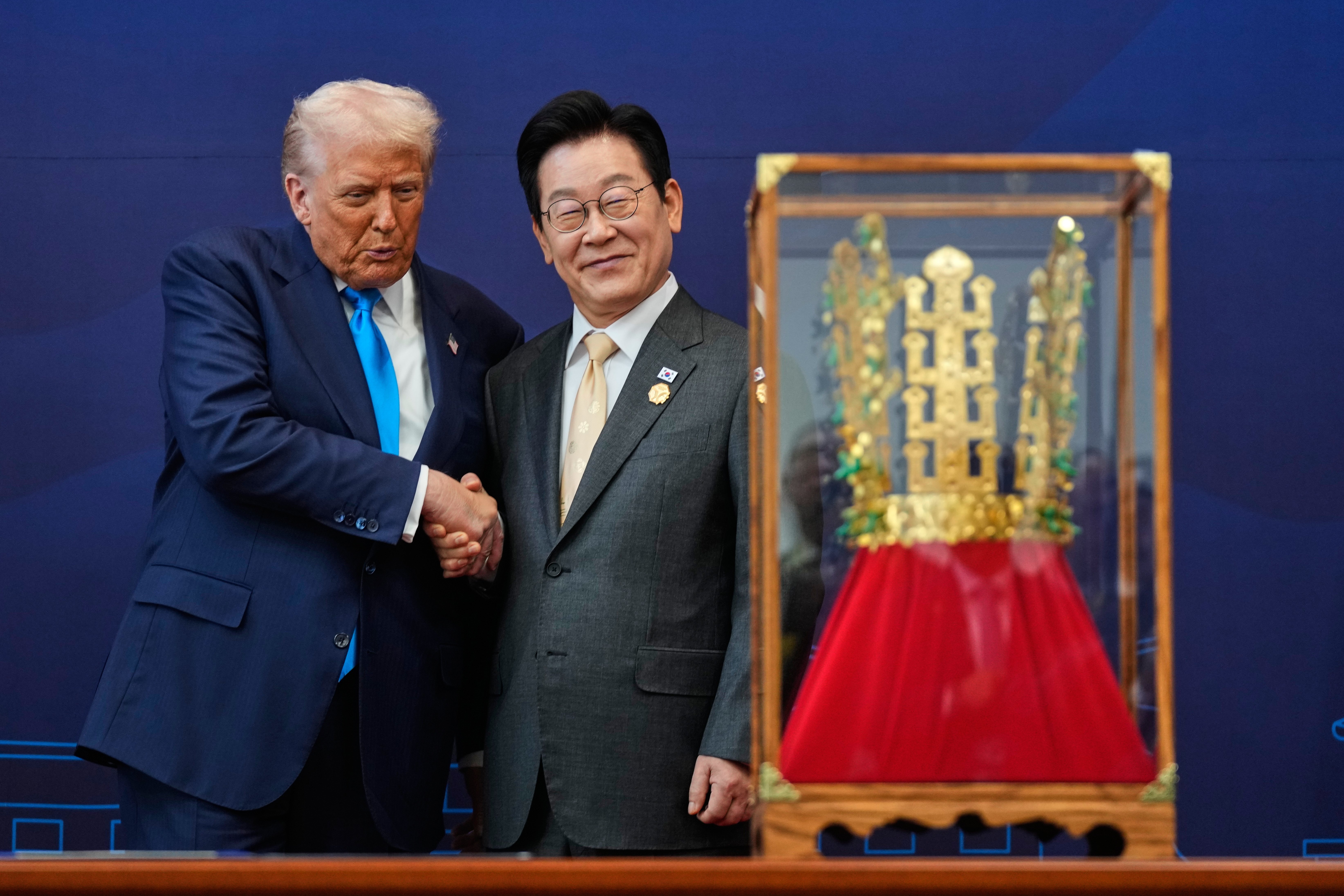
As the situation unfolds, Trump’s push for South Korean involvement could test the alliance's limits. The president has long argued that allies should bear more of the burden for global security, but Seoul’s immediate priority appears to be protecting its vessels and crew without escalating military commitments.