Federal prosecutors on Monday asked a judge to nullify earlier decisions that blocked subpoenas in a now-closed criminal investigation into Federal Reserve Chair Jerome Powell, arguing the legal fight is effectively moot.
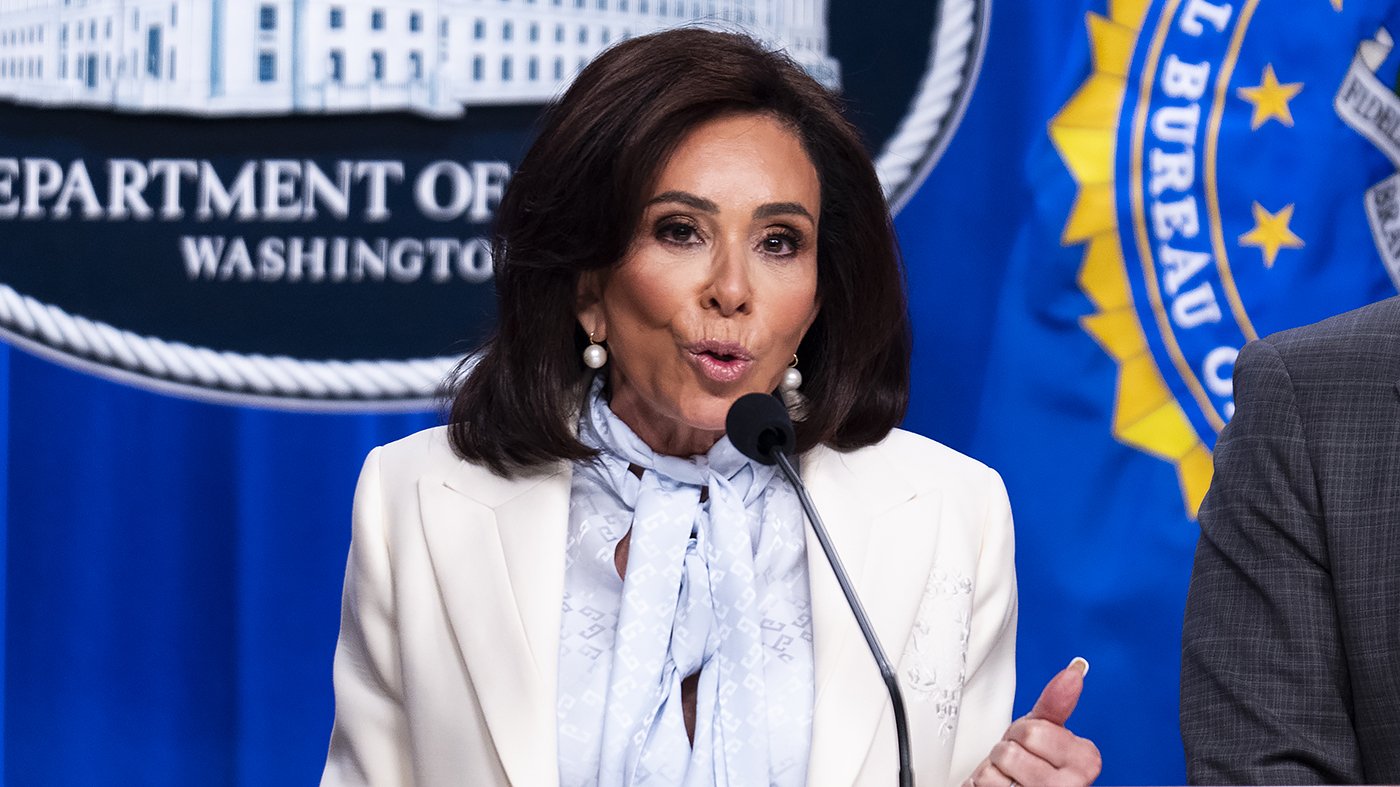
U.S. Attorney Jeanine Pirro, who oversees the District of Columbia, filed the motion after the Department of Justice ended its probe into Powell’s handling of Fed renovation projects late last month. The case has been handed to the Fed’s inspector general for further review.
Appeal Abandoned
Pirro had previously indicated she would appeal the rulings quashing the subpoenas, but the latest filing signals a shift in strategy. “The United States does not agree with this Court’s decision to quash the subpoenas,” the motion states. “However, even in the event of a successful appeal to the D.C. Circuit, the United States cannot obtain meaningful relief because the investigation has closed.”
The filing cites legal precedent that an appeal becomes moot when events make it impossible for the court to grant effective relief. By vacating the quash orders, prosecutors aim to keep the door open for a future investigation if warranted by the inspector general’s findings.
“Should the United States Attorney open a new grand-jury investigation, the issuance of any future subpoenas would be based on a different record, one that would presumably include any information generated by the Inspector General’s analysis,” the motion adds. “And, if the Federal Reserve were to object to a hypothetical future subpoena, legal recourse would remain available.”
Judge Boasberg’s Role
The decision now rests with U.S. District Judge James Boasberg, an Obama appointee who originally quashed the subpoenas. Boasberg has been a frequent target of President Trump’s criticism for rulings against the administration in other high-profile cases, including a recent block on terminating TPS for Yemeni nationals. Trump’s broader attacks on judicial independence have raised concerns about the politicization of the courts.
Powell’s decision to remain on the Fed board after his chairmanship ends has added another layer of tension. He told reporters last week he would stay until he is confident the investigations are resolved, a move that has frustrated some Trump administration officials and raised questions about internal dynamics at the central bank.
Trump has nominated former Fed board member Kevin Warsh to succeed Powell as chair, with confirmation expected before Powell’s term ends May 15. Powell’s separate term as a board member runs until January 2028, and if he stays, he would be the first former Fed chief to remain on the board since Marriner Eccles in 1948.
The DOJ’s motion comes amid broader scrutiny of federal ethics, with a recent Pew poll showing 56% of Americans believe ethics have declined under Trump’s second term. The inspector general’s findings could influence whether the probe is revived, but for now, the legal fight over the subpoenas appears to be winding down.