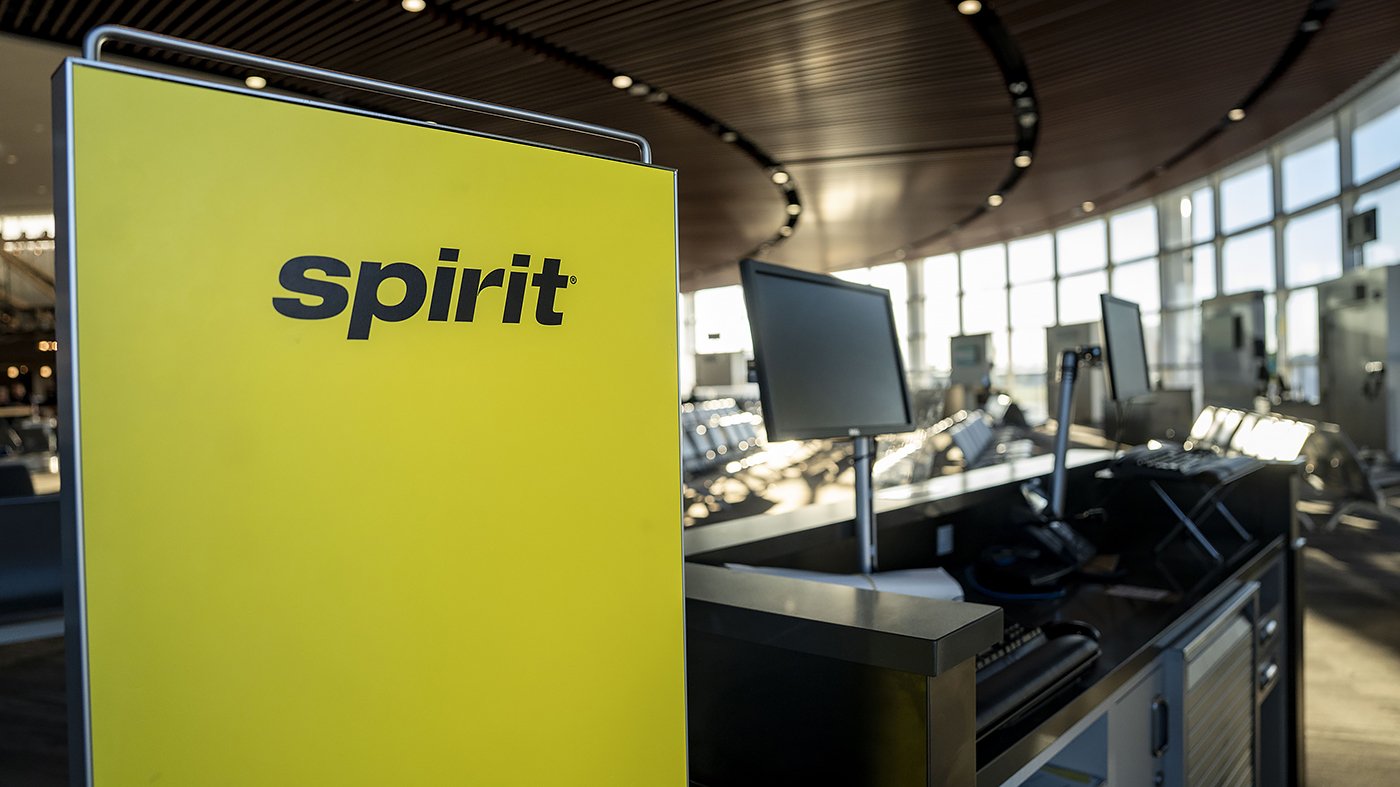
The sudden shutdown of Spirit Airlines over the weekend, following the collapse of last-minute bailout talks with the Trump administration, is sending shockwaves through the U.S. airline industry and raising fears that even travelers who never flew the budget carrier could face steeper fares.
The administration had proposed a controversial rescue deal that would have given the federal government a controlling stake in the airline, but the plan fell apart when key creditors balked at the terms. Without their approval, the deal was dead, and Spirit—known for its ultra-low-cost model—was forced to ground all flights Saturday.
Now, with Spirit out of the picture, some analysts warn that reduced competition on certain routes will push prices higher. Clint Henderson, a travel expert at The Points Guy, told The Hill that the loss of any low-cost carrier is bad news for consumers, even if they never flew Spirit. He pointed to a case in Minneapolis: when Spirit stopped serving that city in December, Delta Air Lines hiked fares by as much as 50 percent almost overnight.
“In the markets where Spirit is operating, it could have a pretty big impact on pricing, so consumers will pay more,” Henderson said. However, he acknowledged that Spirit had already shrunk significantly, cutting many flights, so the overall effect may be “somewhat muted.”
The carrier accounted for just 3.4 percent of the U.S. market before its collapse, and its fleet had been downsized amid years of financial struggles. Spirit filed for bankruptcy twice—in 2024 and again in 2025—after the Biden administration blocked its planned merger with JetBlue in 2023. The airline had hoped a scaled-back restructuring plan would save it, but rising jet fuel costs, exacerbated by the ongoing conflict with Iran, made that impossible.
Transportation Secretary Sean Duffy downplayed the chaos, saying Monday on Fox Business that the wind-down was going “pretty darn well.” He noted that Spirit is refunding all tickets, and other airlines have offered reduced fares for stranded passengers. “We’re talking to the CEOs of other carriers, making sure they’re going to step up and help with special fares for those Spirit customers,” Duffy said.
But the timing is particularly tough for cost-conscious travelers. Major airlines have already been raising fees and cutting capacity to cope with higher jet fuel costs, and demand remains strong. “We’re in a really precarious position for folks who want to travel right now,” Henderson warned.
James Shea, a former president of the American Bankruptcy Institute who worked on airline restructurings after 9/11, sees a more optimistic long-term picture. He expects other carriers to quickly fill the vacuum left by Spirit on popular routes. “Generally, what happens is, if there is a vacuum, somebody is going to fill it, because no one’s going to leave those routes on the table,” Shea told The Hill. In the short term, he acknowledged, reduced competition could give remaining airlines more pricing power, but market forces should eventually restore balance.
Spirit’s demise marks the end of an era for the “ultra-low cost carrier” model that democratized air travel for millions. The airline charged for extras like carry-on bags and seat selection, but its rock-bottom base fares forced bigger competitors to offer their own no-frills options. That competitive pressure is now gone, at least for now. Political blame is already flying, with Transportation Secretary Sean Duffy and former Transportation Secretary Pete Buttigieg trading accusations over who caused the collapse. Meanwhile, the White House has moved to cap fares temporarily to blunt the impact on consumers, but the long-term cost of Spirit’s failure may be measured in higher tickets for everyone.