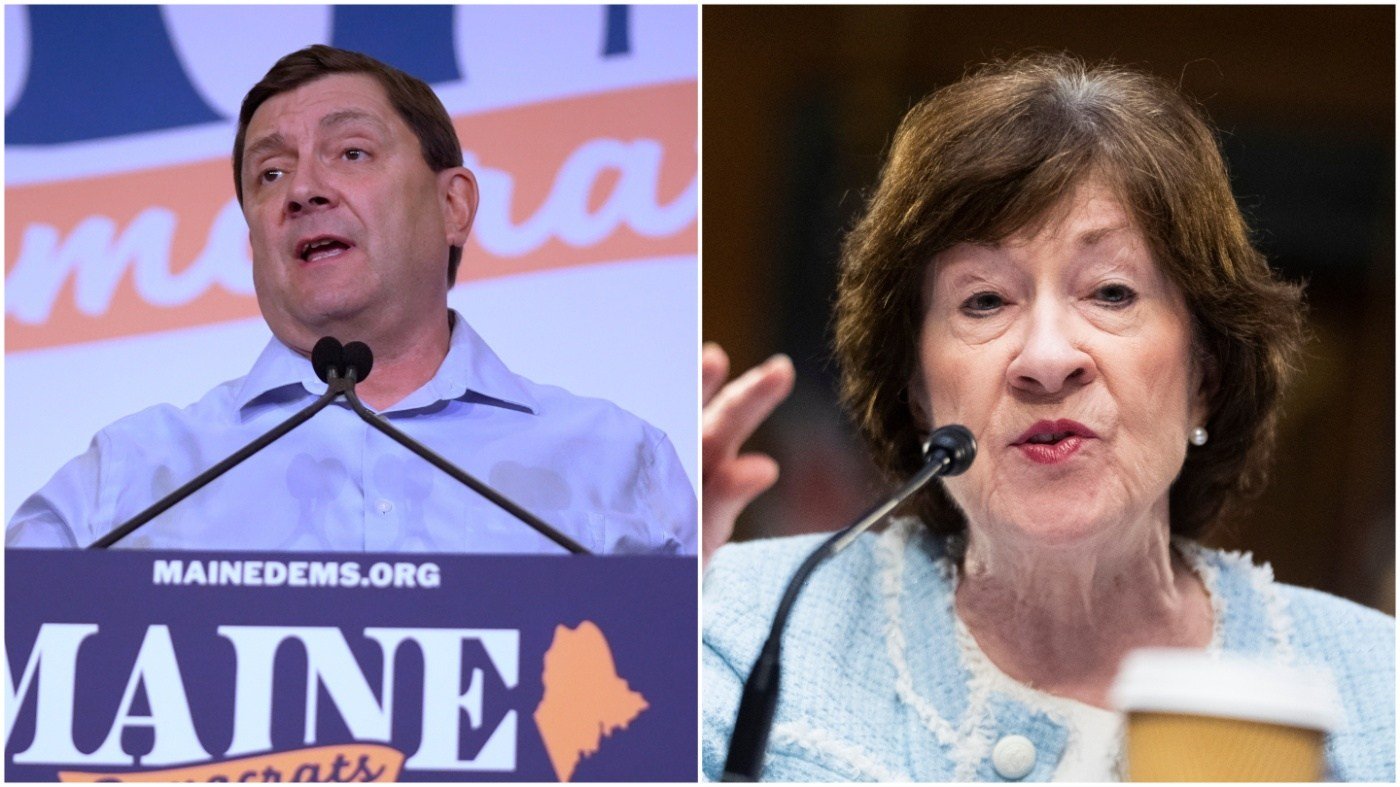
Six months out from the November 3 midterm elections, the polling landscape is crystallizing into a clear pattern: Democrats hold the advantage, but the path to victory is not without obstacles. The Beltway consensus now tilts heavily toward Democrats reclaiming the House, where Republicans are defending a razor-thin majority. Even the Senate, long considered a long shot for the opposition, shows unexpected openings in states like North Carolina, Ohio, and even Texas—all of which voted for President Trump in 2024.
But as any seasoned political observer knows, six months is an eternity in politics. The current conflict with Iran, which has roiled energy markets and sent gas prices soaring, was barely on the radar half a year ago. Yet the trends are clear enough to warrant attention.
Trump’s Approval Ratings Weigh Down the GOP
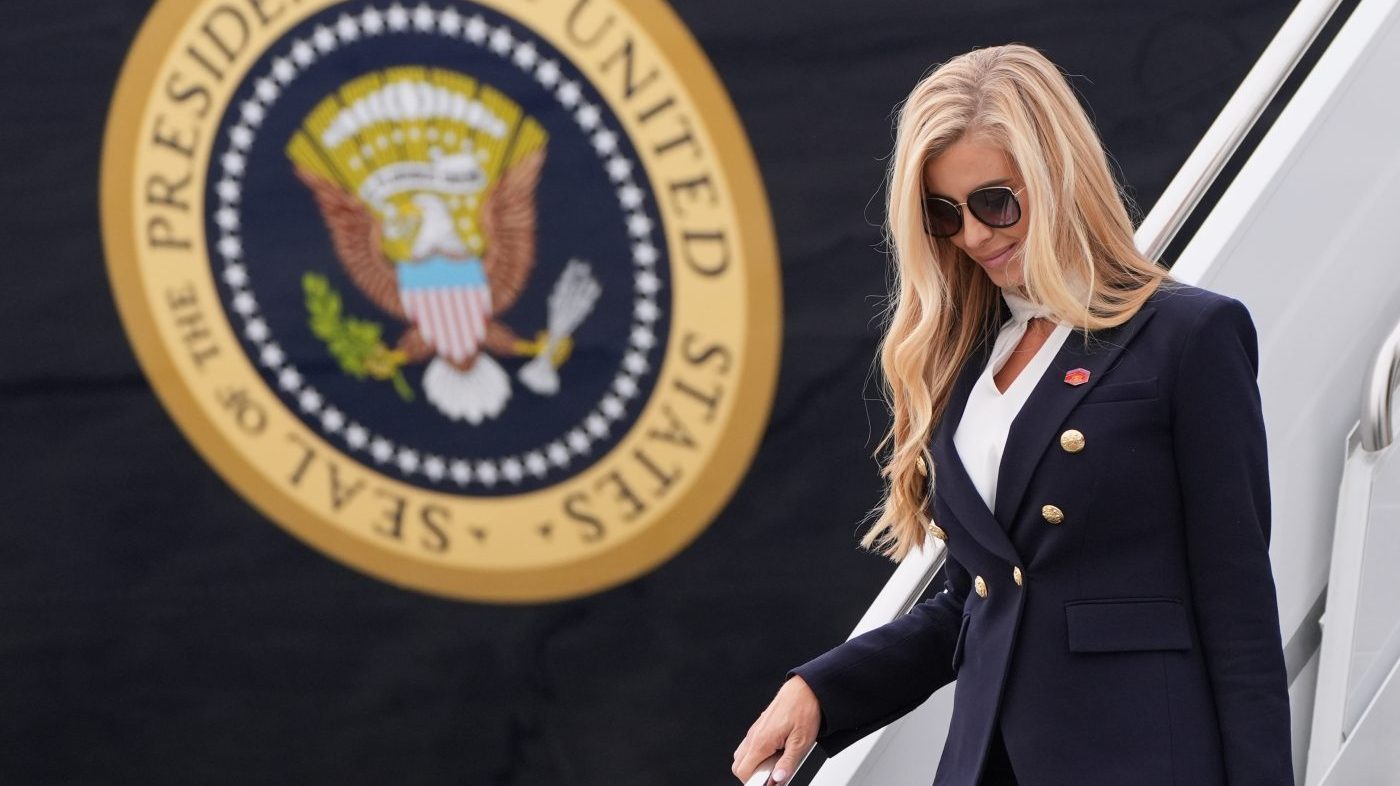
The president’s job approval numbers are at or near the lowest point of his second term. An ABC News/Washington Post poll released Sunday found just 37% of Americans approving of his performance, with 62% disapproving. The war on Iran and its economic fallout—particularly at the gas pump—are driving those numbers down. The national average for a gallon of gas stood at $4.45 on Monday, up from under $3 before the conflict began on February 28.
Other polling averages paint an equally grim picture. The Hill’s data partner, Decision Desk HQ, puts Trump 17 points underwater, with 56.9% disapproving and 39.7% approving. Nate Silver’s Silver Bulletin shows a 19-point deficit, an 8-point drop since the start of the year. RealClearPolitics pegs the gap at 16 points. Whatever metric you use, those numbers represent a stiff headwind for the GOP.
As Trump's sinking approval ratings threaten GOP's midterm prospects, the party faces an uphill battle to retain control of Congress.
Inflation and Economy Dominate Voter Concerns
Compounding the problem, Trump’s weakest issues are precisely those voters rank as most important. On inflation, Silver’s averages show fewer than 28% of adults approving of the president’s handling, with a staggering 70% disapproving. RCP’s figures are only slightly better, with Trump 39 points underwater on the issue.
An Economist/YouGov poll last week asked respondents to name the most important political issue. Inflation and prices topped the list at 27%, followed by jobs and the economy at 14%. Healthcare came third at 10%, a traditional Democratic strength. Immigration, a Republican-friendly topic where Trump’s ratings have eroded, finished fourth at just 7%.
Both Parties Face Negative Ratings
Republicans aren’t without hope. The conflict with Iran could wind down, easing oil and gas prices back toward prewar levels. And for now, both major parties are viewed unfavorably by the electorate. DDHQ’s party favorability averages show 55% of voters view the GOP unfavorably, while 53% say the same about Democrats. An Economist poll last week found 59% negative views of congressional Republicans and 55% for congressional Democrats.
The reasons are complex. Widespread voter discontent with the nation’s direction plays a role, as does frustration among progressive voters who feel the Democratic Party hasn’t mounted a stronger resistance to Trump. As Jeffries navigates the Trump feud, balancing attack and agenda for midterms, the party must manage internal divisions while pressing its advantage.
Generic Ballot Lead: Significant but Not Decisive
Democrats hold a roughly 5-point edge on the generic ballot question, according to both DDHQ and RCP. In a polarized nation, that’s not negligible—the last four presidential elections were decided by smaller margins. But with six months to go, it’s no reason to pop champagne corks. The lead is real but fragile.
Voter Enthusiasm Favors Democrats—For Now
Perhaps the most telling indicator is voter enthusiasm. The ABC/Washington Post poll found 79% of Democrats said they were “absolutely certain” to vote, compared to just 7% of Republicans expressing similar certainty. While midterm turnout is notoriously hard to predict, that gap suggests Democrats are more motivated to show up at the polls. If that enthusiasm holds, it could tip the balance in key battlegrounds.
As the midterm battle tightens, Democrats see a House opening while the Senate remains uphill. The next six months will test whether the current polling translates into actual votes.