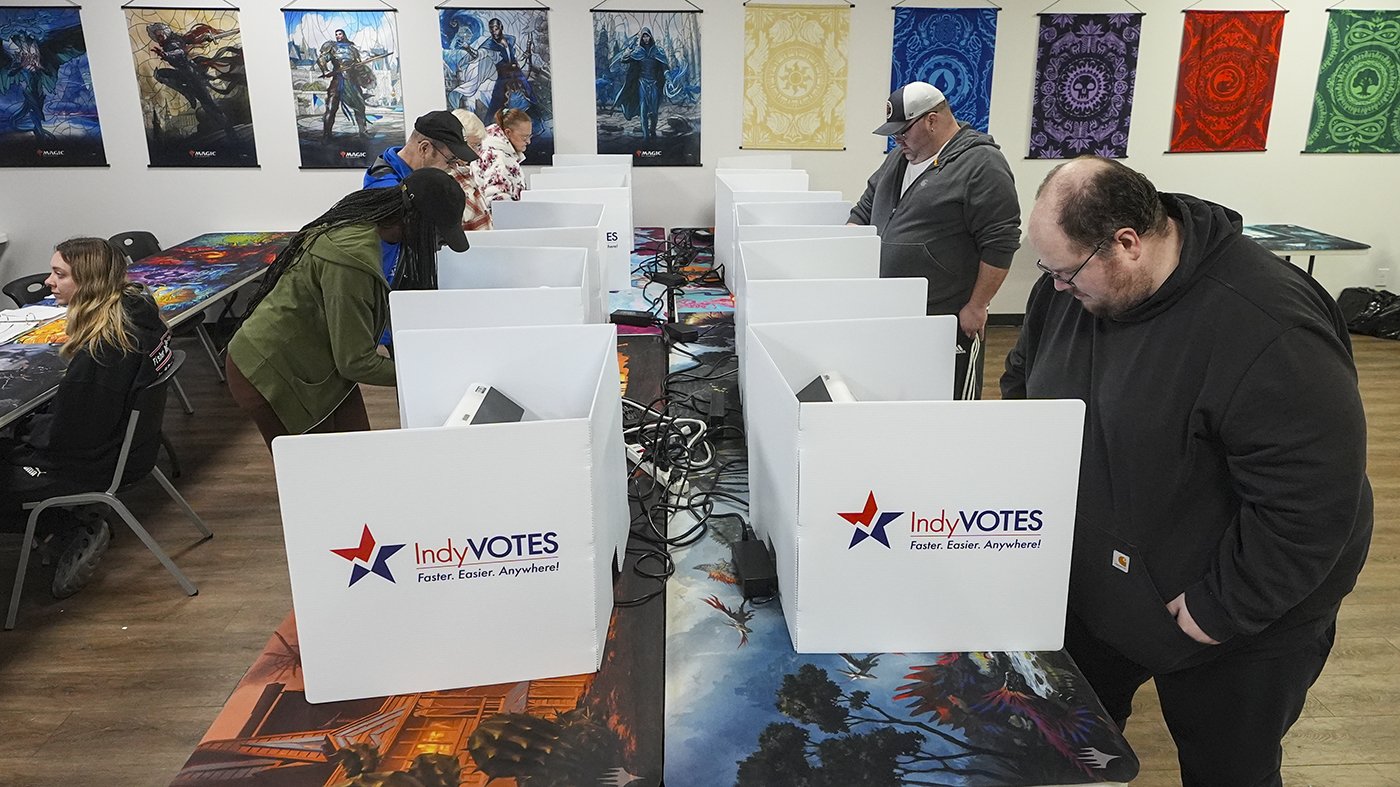
Indiana voters head to the polls Tuesday for a slate of state Senate primaries that will serve as a critical barometer of President Trump's political muscle as he seeks to punish Republican lawmakers who blocked his redistricting ambitions.
Trump has endorsed primary challengers against seven GOP incumbents in the state's upper chamber who voted down a congressional map last year that would have given Republicans a potential 9-0 lock on Indiana's U.S. House delegation. The map, pushed by national GOP leaders, aimed to redraw two Democratic-held districts in the GOP's favor, part of a broader mid-decade redistricting push that has also played out in Texas, Missouri, North Carolina, and Ohio.
Scott Tranter, director of data science at Decision Desk HQ, noted that the Supreme Court's recent Voting Rights Act decision and the successful Democratic redistricting referendum in Virginia have only heightened the stakes. "A lot of these senators took a very pointed stand against what the president wanted to have in redistricting," Tranter said. "It's a test."
The showdown traces back to December, when Trump took to Truth Social to lambaste Indiana Senate President Pro Tempore Rodric Bray as "the only person in the United States who is against Republicans picking up extra seats." Trump threatened to "primary" any Republican who opposed the map, writing, "I will be there to help!" The Indiana House passed the plan, but the Senate rejected it 31-19, with 21 Republicans joining all 10 Democrats in opposition.
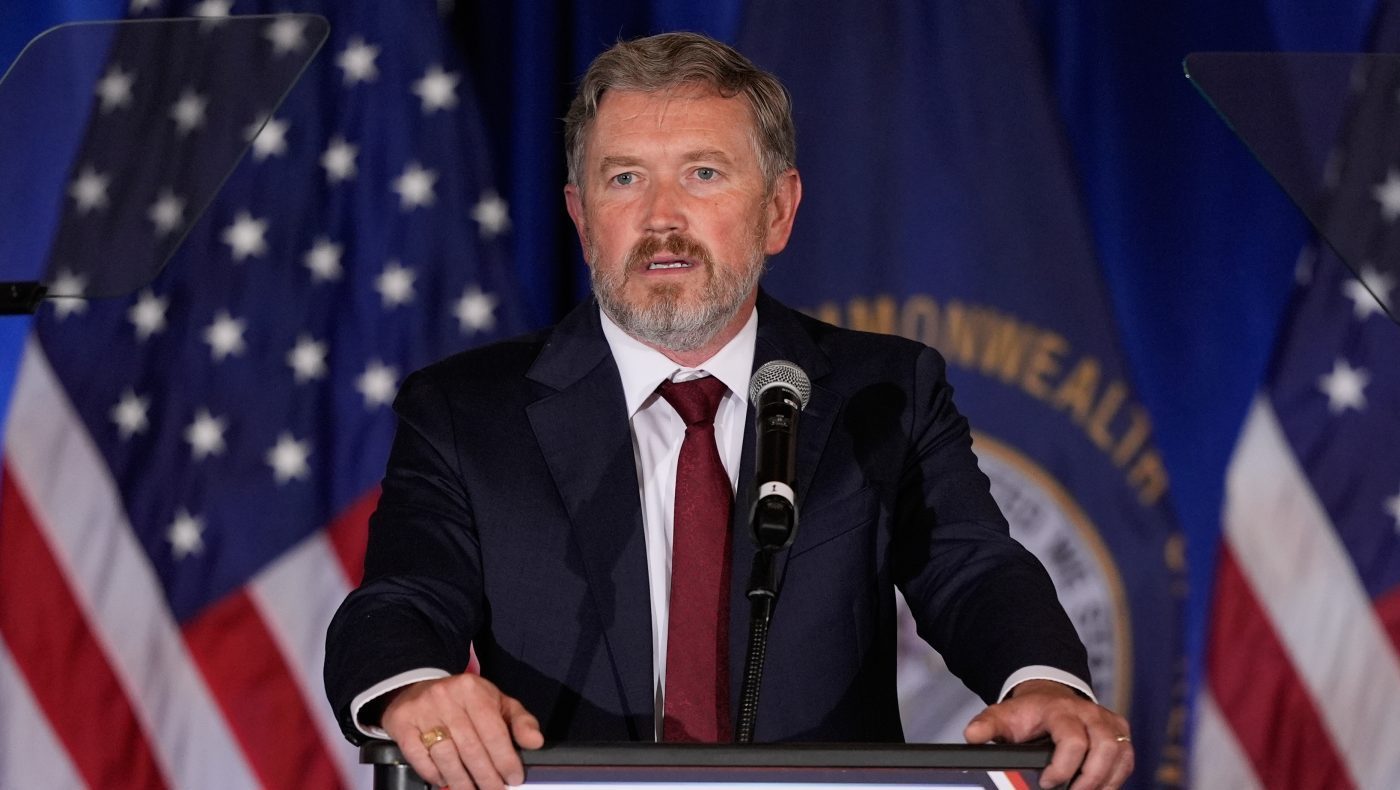
Pro-redistricting groups have poured more than $6 million into ads targeting the seven incumbents, according to AdImpact data analyzed by NBC News. Indiana Governor Mike Braun, a Republican, is backing Trump's effort, and national organizations like Turning Point and Club for Growth have also joined the fray. Paula Copenhaver, a Trump-backed challenger who visited the White House for a photo op, criticized incumbent state Senator Spencer Deery and other Republicans for having "rolled over without a fight while Democrats added seats" through redistricting in other states.
Yet the challengers face an uphill battle. Incumbents have significantly outraised their rivals, and there is virtually no public polling on the races. Pete Seat, a former White House spokesman and Indiana GOP strategist, said that while Trump's endorsement and the flood of outside money could catapult unknowns to victory, the outcome may not be a clean verdict on the president's influence. "It's Hoosier voters, Hoosier Republican primary voters saying: 'With all due respect, we know our local lawmakers,'" Seat said.
The results will also ripple beyond Indiana. As the GOP braces for a tough midterm cycle in the House, Trump's ability to enforce party discipline—especially on a high-stakes issue like redistricting—will be closely watched. The president's approval rating in Indiana hovers around 49 percent, well above his national numbers, but analysts caution that a loss for his challengers would not necessarily signal a broader rejection of his agenda. For now, all eyes are on the Hoosier State as a bellwether for Trump's enduring sway over the Republican base.