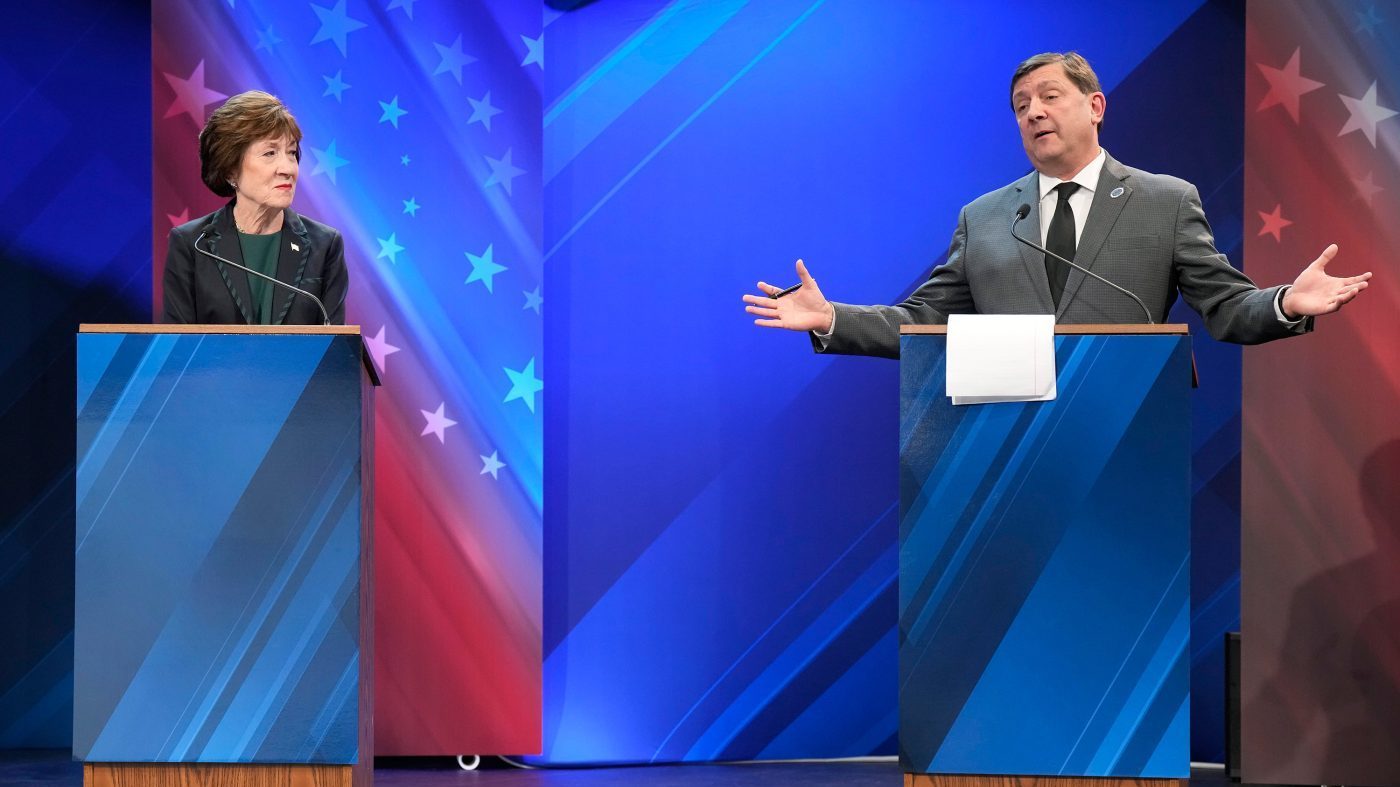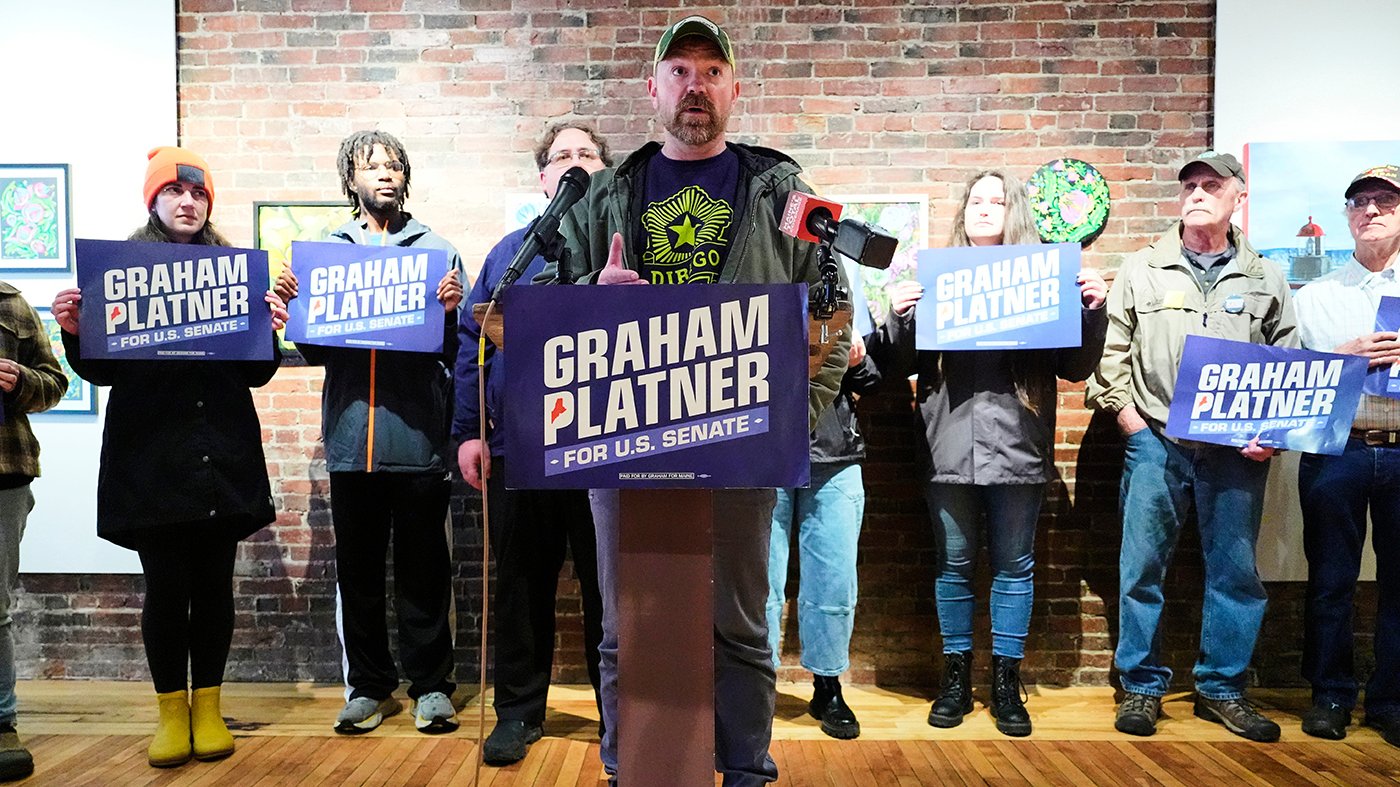
Graham Platner, a populist Democrat and oyster farmer, upended Maine's political establishment last week when his primary opponent, Governor Janet Mills, suspended her Senate campaign after polls showed her trailing badly. Platner's sudden rise has Democrats questioning whether the party's future lies with outsiders who reject the status quo.
Platner's win echoes a broader trend within the Democratic Party during the Trump era: a surge of anti-establishment candidates. Last year, self-proclaimed democratic socialist Zohran Mamdani defeated former Governor Andrew Cuomo in the New York City mayoral race. Both Platner and Mamdani, like Trump, have built their brands on attacking party insiders and promising to shake up the system.

This has left some Democrats wondering if the party should nominate an outsider for president in 2028. "There's always only a few tickets out of the early primary states, and in the 2028 primary cycle, one of those tickets will very likely be from an outsider who comes from outside of the traditional political system," said Democratic strategist Joel Payne. "The public at large is in the midst of a very antiestablishment moment, and I think that is particularly true for base Democratic voters."
Payne added: "There is a hunger for voices from outside the system, and those who have experience within the system are carrying baggage with them politically." That frustration stems partly from losing to Trump in 2016 and 2024—elections where party-backed candidates fell to the GOP's outsider champion. In 2024, Democrats didn't even get a primary choice after President Biden dropped out following a poor debate performance, replaced by Vice President Kamala Harris. That left many feeling the party elite picked their nominee, fueling interest in non-establishment voices.
Yet the early 2028 conversation is dominated by establishment figures: California Governor Gavin Newsom, Harris, Pennsylvania Governor Josh Shapiro, Illinois Governor JB Pritzker, and former White House Chief of Staff Rahm Emanuel. An Echelon Insights poll last month showed a tight field: Harris at 22 percent, Newsom at 21 percent, former Transportation Secretary Pete Buttigieg at 12 percent, and Representative Alexandria Ocasio-Cortez at 10 percent, with 10 percent undecided. While Ocasio-Cortez positions herself as a change agent, she fits the progressive lane occupied by Bernie Sanders in past cycles—not the pure outsider mold.
Some Democrats worry the party's donor class and infrastructure remain aligned with traditional candidates, potentially missing the moment. "We need new energy," said one Democratic donor who backed Harris. "I don't care if she lost by one vote. She still lost. And we need to look forward, not back. That's part of the problem, we never really learn our lessons. We keep making the same mistakes, with the same people."
The outsider path has precedent. In 2008, Barack Obama, a first-term senator, defeated Hillary Clinton on a message of change. In 2016, Sanders challenged Clinton as an ideological outsider, extending the primary far longer than expected. In 2020, Buttigieg, a small-town mayor, surged in the polls. Trump's "drain the swamp" mantra worked across three elections. Voter enthusiasm gaps and fractures within the party underscore the demand for change.
Republican strategist Susan Del Percio, a Trump critic, predicted Democrats will eventually turn to an outsider. "People are fed up and they don't see solutions," she said. "In either party, no one wants someone who..." The question remains: Can the Democratic establishment adapt, or will an outsider like Platner—who canceled primary debates after Mills dropped out to focus on the general election—become the party's best bet?