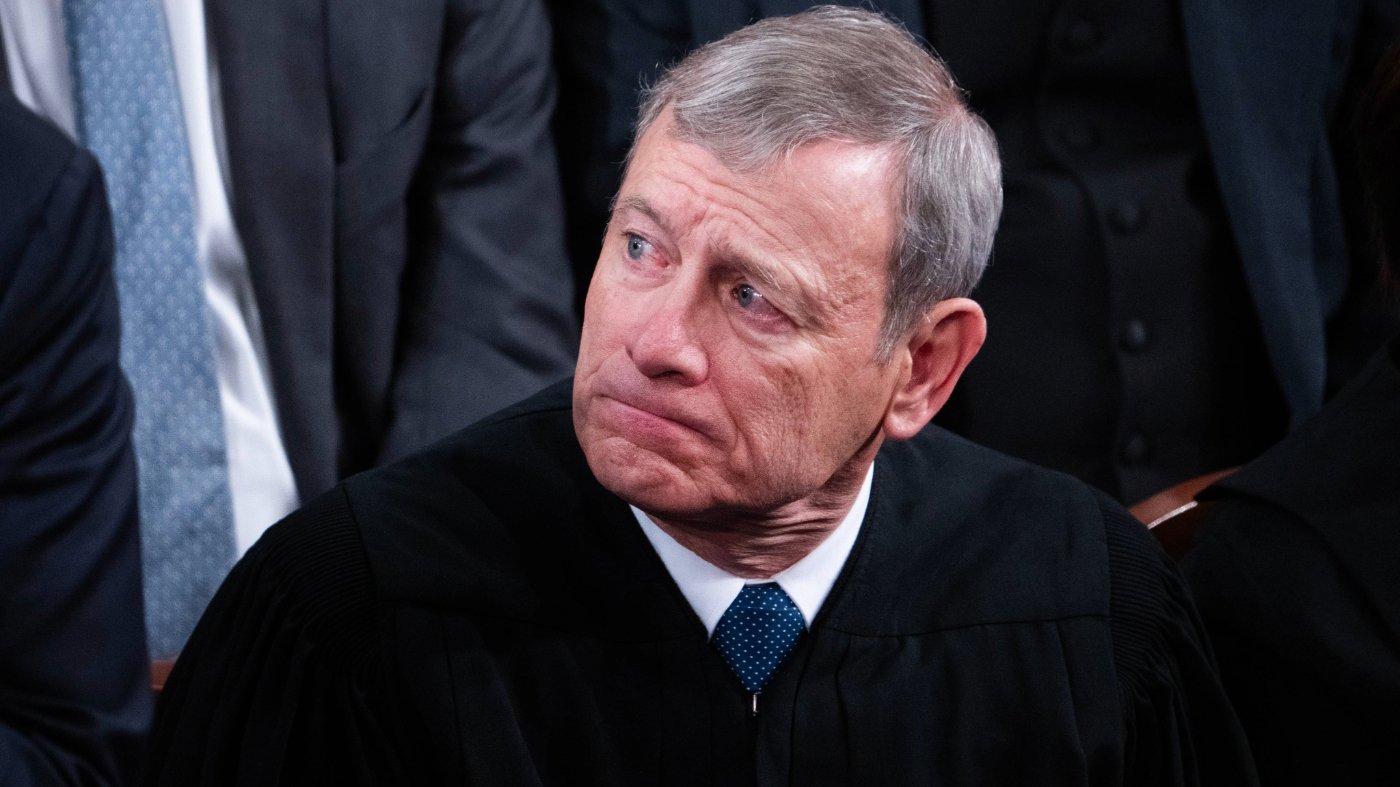
The Supreme Court’s right-wing majority, solidified by three Trump appointees, is failing Americans in catastrophic fashion. Its recent decision to complete the long, torturous gutting of the Voting Rights Act—while pretending otherwise—marks a clarifying moment. As Justice Elena Kagan wrote in her dissent in Louisiana v. Callais, the law “was born of the literal blood of Union soldiers and civil rights marchers” and “ushered in awe-inspiring change.” She lamented that the “now completed demolition” of the act “threatens a half-century’s worth of gains in voting equality.”
This enraging moment is far from an isolated incident. A recent letter to Congress from dozens of civil rights and pro-democracy organizations notes the court is “rolling back voting rights, reproductive freedoms, environmental protections and commonsense gun laws, and dramatically expanding presidential immunity,” putting it “out of step with the American people while enriching wealthy right-wing political donors and corporate interests.” The letter adds that the majority has “encouraged and enabled Trump’s most authoritarian instincts,” often via rulings on its shadow docket, causing massive harm without public argument.
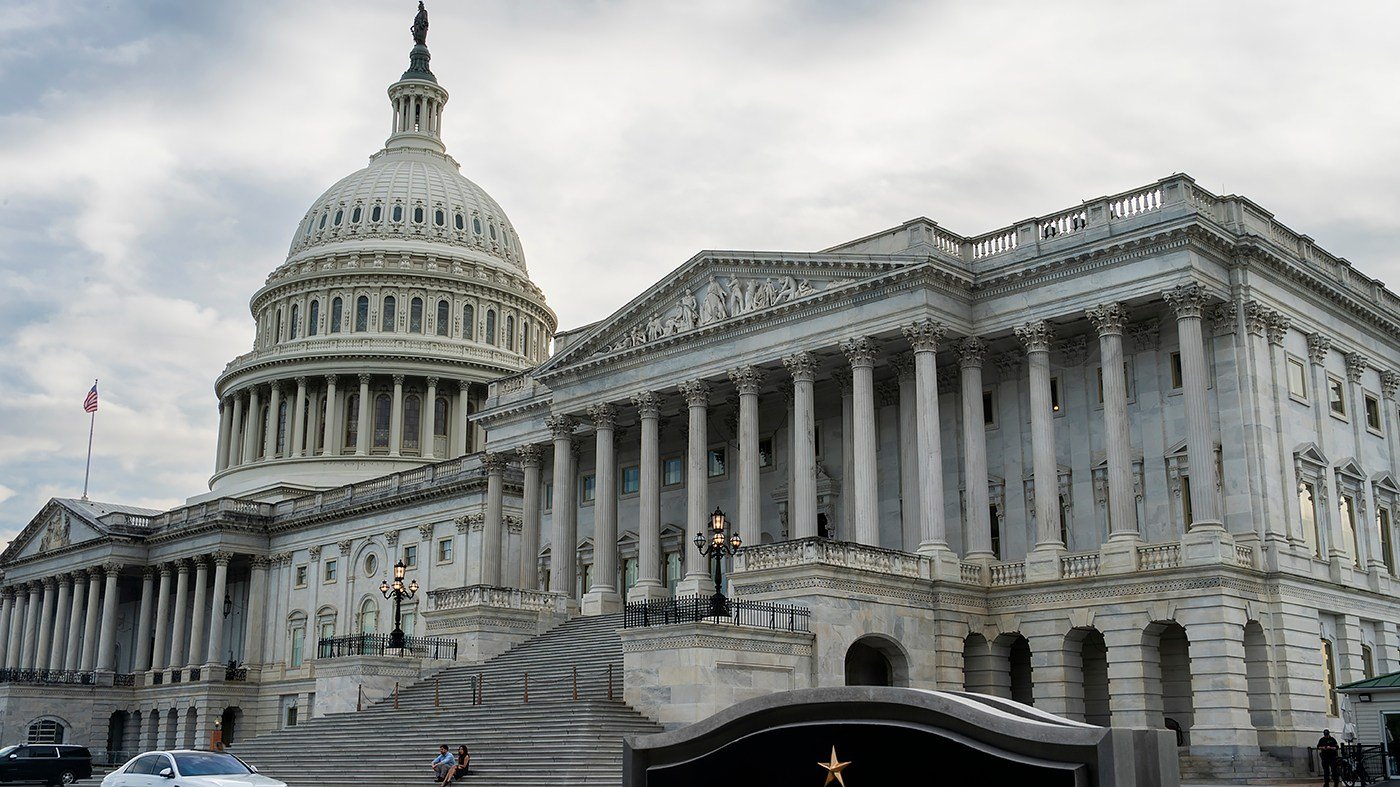
The Roberts Court has become a partisan tool of the right-wing legal and political movement that nurtured the Republican justices. That movement aims to rewrite the Constitution, rolling back civil rights laws, the New Deal, and early 20th-century progressive reforms. Chief Justice Roberts himself opposed the Voting Rights Act since his days as a young lawyer in the Reagan administration. In 2013, he led the court in overturning a key section of the law, unleashing a surge of voter suppression laws across the South.
Now, with the Voting Rights Act eviscerated, governors in former Confederate states are rushing to eliminate congressional districts with Black representatives, as Trump demands. The court went further, abandoning normal procedures to endorse Louisiana’s rush to create new districts even while primaries were underway. As Justice Ketanji Brown Jackson noted in dissent, the court abandoned its policy of not inserting itself into active campaigns.
In short, the Roberts-Trump majority is participating in a naked partisan power grab to preserve a compliant Republican House majority, allowing Trump to avoid accountability for abuses of power. They are doing so by imposing more harm on people long denied full participation in democracy. The independence of the judiciary is further dismantled with each Trump judicial nominee who refuses to acknowledge that the Constitution clearly bars Trump from a third term.
Our system of checks and balances is failing because those in power are failing their duty. The damage is too great to simply watch. Structural changes are needed to protect the court, the Constitution, and the country. The group I lead is part of a broad pro-democracy coalition promoting reforms: 18-year term limits via the TERM Act, an enforceable ethics code, and expanding the court under the next pro-democracy president.
Congress has a responsibility to protect the court’s integrity. Democrats must prepare to restore and strengthen federal protections against racial discrimination in voting through legislation like the John Lewis Voting Rights Advancement Act and the Freedom to Vote Act. They must also plan to address court corruption when they regain power. Without that step, legislative solutions will likely be overturned by a court bent on undermining representative democracy.
Resigning to illegitimate overturning of progressive legislation by an out-of-control court would mean abandoning constituents and betraying their oath to uphold the Constitution. We’ve had more than enough of that from the Republican Congress.
As Representative Clyburn recently argued, Roberts will be remembered among history’s worst justices after this voting rights blow. And Southern GOP states are already rushing to redraw maps following the ruling. A new poll shows 72% of Americans agree money floods politics, a bipartisan concern that underscores the need for reform.