A New Doctrine for Wartime Messaging
The conduct of a defense secretary during conflict has long served as a window into an administration's priorities and personality. Historical approaches have varied dramatically: Donald Rumsfeld was a near-daily presence at the podium during the Iraq War, a strategy that sometimes backfired with infamous misstatements. In contrast, Robert Gates, overseeing the Afghanistan surge, largely delegated briefings, adhering to a philosophy of discretion.
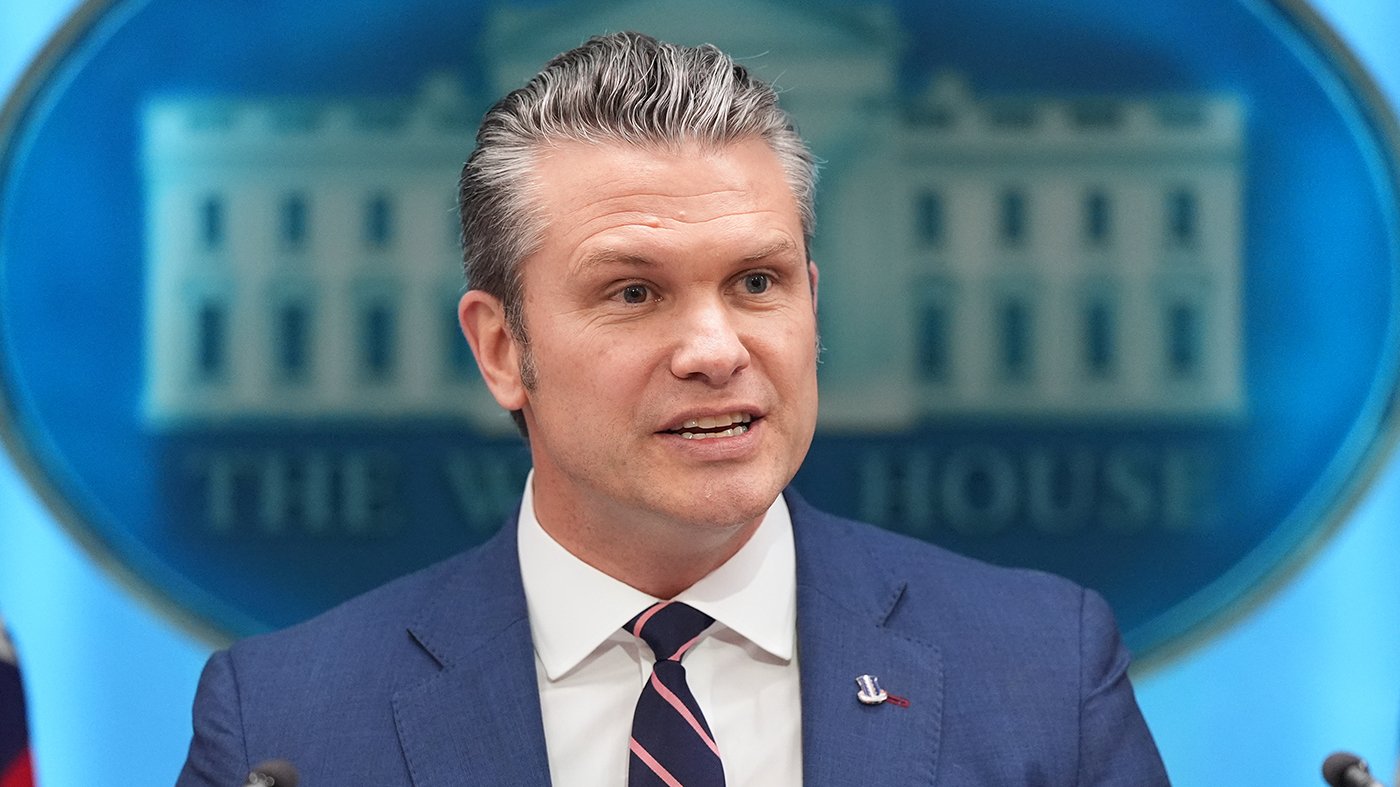
Under President Trump, Defense Secretary Pete Hegseth has forged a distinctly different path for the Pentagon's press operations during the ongoing conflict with Iran. He has instituted a combative, evangelical style aimed at advancing an "America First" agenda, battling what he terms "woke" policies within the military, and deliberately marginalizing traditional media outlets. This shift represents a fundamental transformation in how the Department of Defense communicates during wartime.

The Populist Pivot
Experts note Hegseth's strategy is fundamentally populist. "The Pentagon is taking a more populist strategy," said Yvonne Chiu, a visiting fellow at the American Enterprise Institute. "This is really about talking directly to the people, trying to talk directly to service personnel and effectively bypassing their chains of command... especially in emphasizing the political agenda that he's supporting." This approach leverages Hegseth's background as a former Fox News host and his skepticism of nation-building and diversity initiatives within the armed forces.
Operationally, this has meant a communications strategy heavy on polished social media videos announcing policies or featuring the secretary, but light on direct engagement with the press corps. The Pentagon has also attempted to enforce restrictive new rules for reporter access, leading to a legal rebuke from a federal judge who ordered the restoration of press credentials after a challenge from The New York Times.
Restricting the Briefing Room
The changes are most visible in the wartime briefings on Iran. While Hegseth has held sessions, they begin with praise for President Trump and criticism of journalists questioning the administration's narrative. He predominantly fields questions from right-leaning outlets, a reversal conservatives argue redresses past imbalances. "Pretty much my entire life, Fox News was the only conservative media that was in the room," said Anthony Constantini of the Bull Moose Project. "I'm not exactly really that upset that now the situation is reversed."
Perhaps more significant is the declining frequency of briefings as the conflict continues. After several in the initial week of operations, they became increasingly sparse, including a 12-day gap in March. Chiu argues this scarcity has a dual effect: it limits the public's access to hard questions and shields the Pentagon from direct criticism. "It just isolates them in a way that I think is unhelpful," she stated, calling briefings "another avenue for the executive to... be held accountable."
Constantini counters that adversarial press conferences are not essential for democratic accountability, suggesting insightful reporting often comes from confidential sources. He views Hegseth as "an extension of Donald Trump's will," empowered to disrupt established norms. This disruption extends to the department's very identity, with Hegseth reportedly referring to the Department of Defense as the "Department of War."
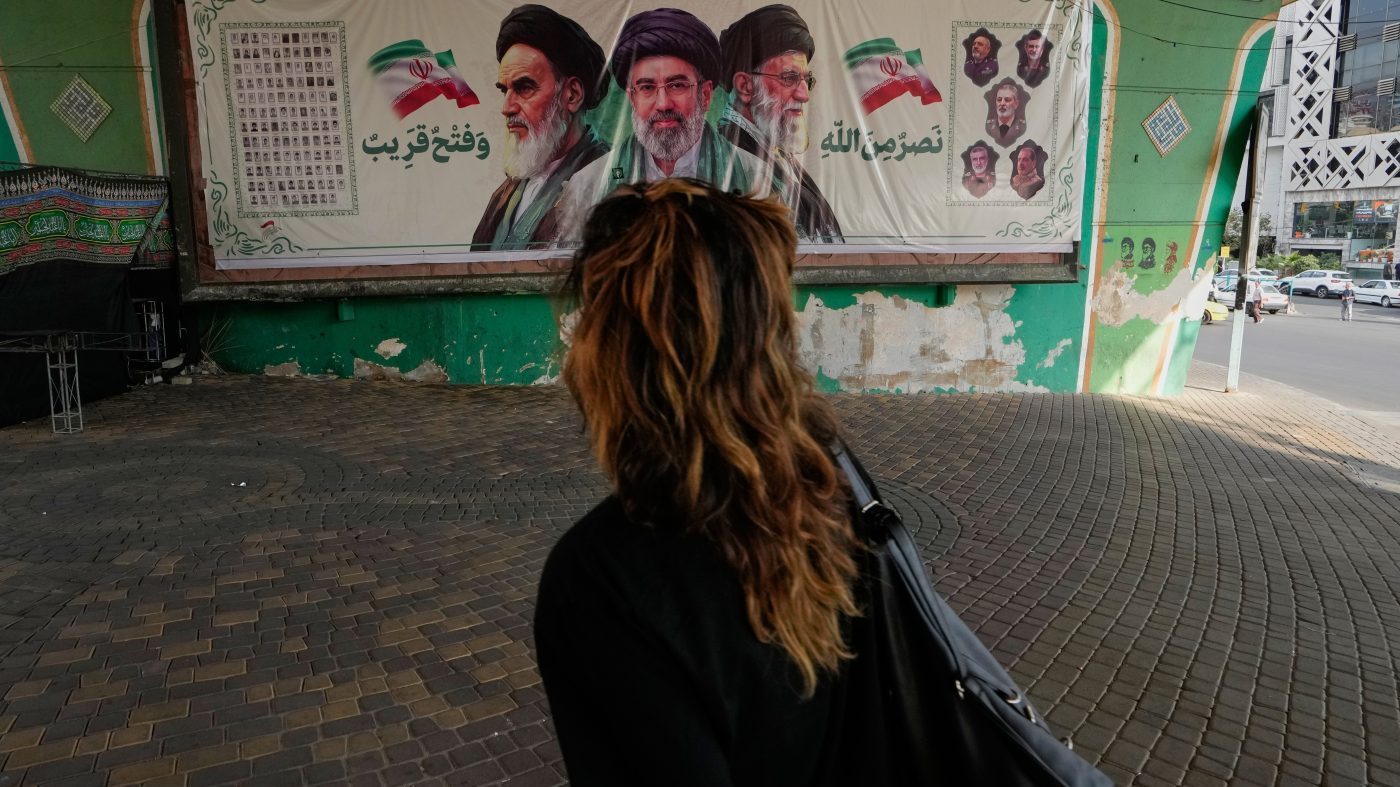
The strategy unfolds against a complex geopolitical backdrop where Iran has leveraged control of the Strait of Hormuz to gain diplomatic advantage. Meanwhile, the administration is engaged in other sensitive defense matters, from clearing a controversial border laser system to implementing a new automatic draft registration mandate.
It is too early for historical judgment on Hegseth's tenure or the outcome of the Iran war. However, his approach to public communications has already set a new, contentious precedent for how the Pentagon engages with the public and the press during a military crisis, prioritizing political alignment and direct populist appeal over traditional media relations.