Tehran Sets Lebanon Terms as Islamabad Talks Begin
Iran has weaponized its control over the Strait of Hormuz, applying direct pressure on the United States to rein in Israeli military operations in Lebanon. This maneuver comes as American and Iranian delegations prepare for critical ceasefire negotiations in Islamabad this weekend. The strategic choke point remains largely closed to commercial shipping, a move analysts say grants Tehran substantial leverage by threatening global energy markets.
A Precondition of Silence
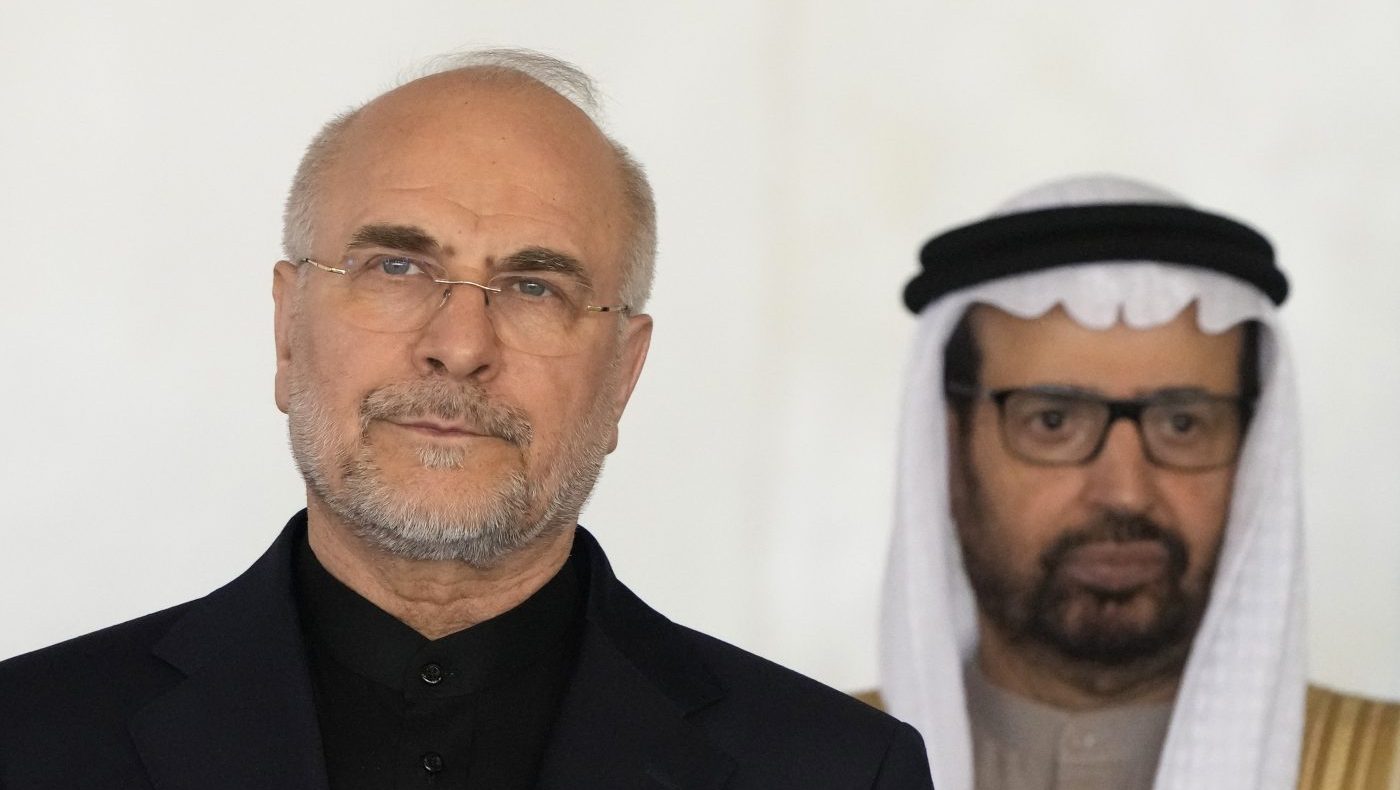
Mohammad Bagher Qalibaf, Speaker of Iran’s Parliament and head of its negotiation team, stated unequivocally on Friday that talks cannot proceed without a full ceasefire in Lebanon and the release of frozen Iranian assets. This hardline stance directly challenges the US position, as both President Trump and Israeli Prime Minister Benjamin Netanyahu have publicly insisted that Lebanon is separate from the US-Iran ceasefire framework announced earlier this week.
Despite Trump claiming on Truth Social that Iran possesses "no cards" beyond "short term extortion," the economic reality is stark. The closure has reduced daily vessel traffic from over one hundred to a mere fourteen, risking a spike in global oil prices and broader market instability. This dynamic has forced the US administration to privately urge Israel to scale back its strikes, even as public rhetoric maintains a unified front.
Diverging Priorities Test Alliance
The tension exposes a fundamental rift in US and Israeli strategic priorities. "The key variable here is Trump, his attention and his priorities, and his priorities are different than Israel’s," said Natan Sachs, a senior fellow at the Middle East Institute. "Hezbollah is a very high priority right on the Israeli border... For Trump, this is a secondary, tertiary, or even lower priority. And for him, the Strait of Hormuz is much, much higher."
This assessment is echoed by Rose Kelanic of Defense Priorities, who noted, "Trump’s desperation to reopen the Strait of Hormuz gives Iran significant leverage over the terms of the ceasefire, which Iran has said must include Lebanon." She added that continued Israeli shelling in Beirut, which has killed hundreds of civilians, is likely to shift U.S. public opinion and increase pressure on Trump to restrain Netanyahu.
In a sign of potential compromise, Netanyahu stated on Thursday that Israel would begin discussions with the Lebanese government on disarming Hezbollah, with talks expected next week in Washington. However, military engagements between Israel and the Iranian-backed group continued into Friday, with an Israeli strike reportedly killing at least 13 members of Lebanon’s State Security forces.
Skepticism and Stakes at the Table
Retired Israeli Brig. Gen. Yossi Kuperwasser expressed doubt that a mere reduction in Israeli strikes would satisfy Tehran. "Not necessarily. It depends on how determined the U.S. is going to be in demanding it from Iran," he told The Hill. His skepticism underscores the fragile nature of the negotiations, which follow a Tuesday ceasefire agreement that both sides have already accused the other of violating.
The U.S. delegation, led by Vice President Vance and including special envoy Steve Witkoff and Jared Kushner, arrived with cautious optimism. Before departing, Vance stated the U.S. was willing to negotiate in good faith but warned, "If they’re going to try to play us, then they’re going to find the negotiating team is not that receptive." The talks proceed amid a backdrop of warnings from former officials, including John Bolton's caution that Iran perceives American weakness and will push for major concessions.
The standoff highlights Iran's calculated strategy to expand its regional influence. As noted in a recent strategic analysis, Tehran has emerged from the recent conflict with increased leverage in the Gulf. By directly linking the vital Strait of Hormuz to the conflict in Lebanon—a core interest for its ally Hezbollah—Iran is testing the limits of U.S. commitment and the cohesion of the U.S.-Israel alliance. All sides are now watching to see who will blink first in a high-stakes game of diplomatic brinksmanship.