Republican lawmakers left Washington last week seething, but the source of their anger split sharply along chamber lines—setting the stage for a major intraparty clash when Congress returns next month. At the heart of the dispute is President Trump's surprise creation of a $1.8 billion fund at the Justice Department to compensate what he calls 'victims of lawfare,' a move that has derailed a $72 billion immigration enforcement package.
Senate Republicans were furious that the administration rolled out the 'anti-weaponization' fund without warning, prompting Majority Leader John Thune (R-S.D.) to shelve plans for a budget reconciliation vote on the immigration bill before the Memorial Day recess. Many senators, including both Trump critics and allies, balked at the idea that the money could go to individuals convicted for their roles in the January 6 Capitol attack—a scenario they view as politically toxic.
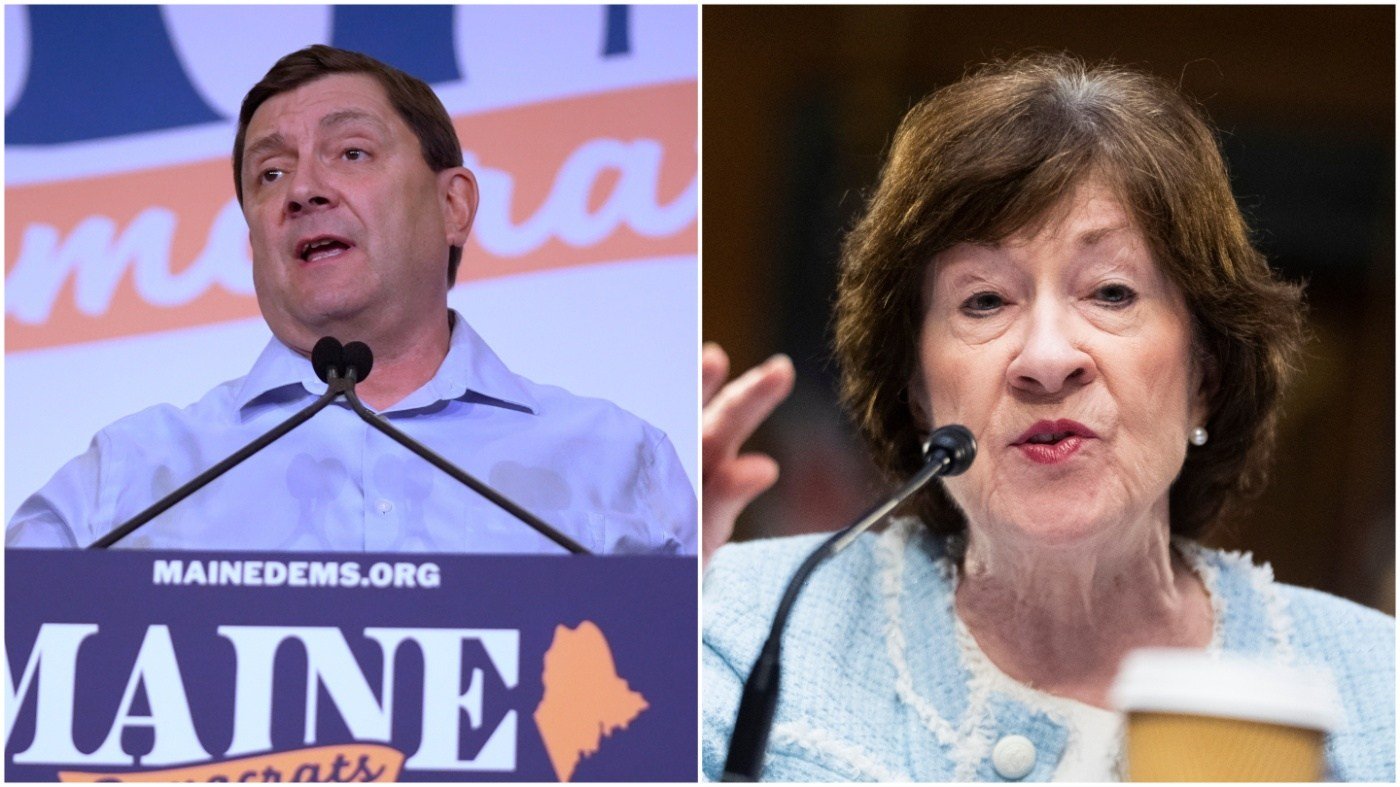
'So the nation's top law enforcement official is asking for a slush fund to pay people who assault cops?' said Sen. Mitch McConnell (R-Ky.), the former GOP leader. 'Utterly stupid, morally wrong—take your pick.' Thune echoed the skepticism, telling Punchbowl News he was 'not a big fan' of the fund and saw 'no purpose' for it.
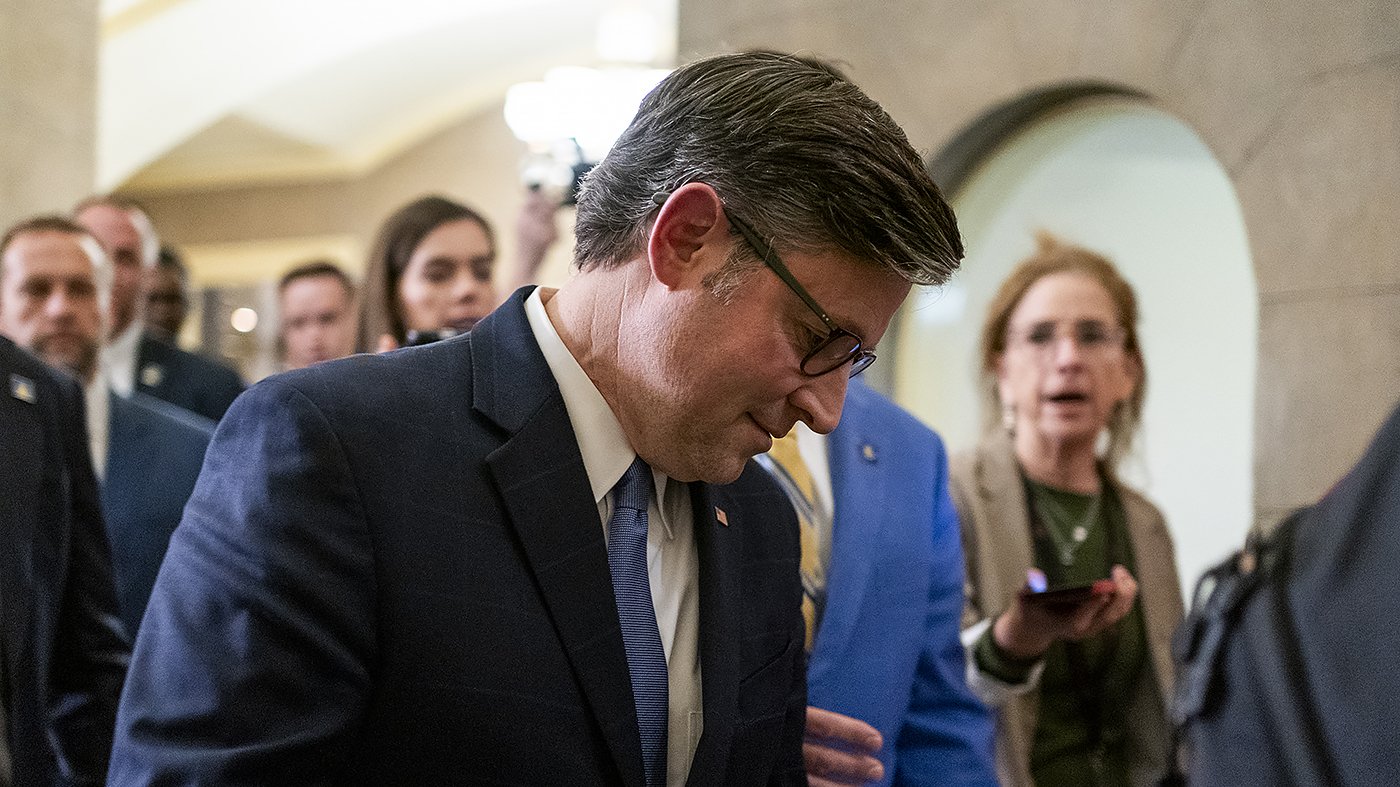
Across the Capitol, House Republicans took a sharply different view. Many welcomed the fund as a necessary corrective to what they see as the weaponization of federal law enforcement under the Biden administration. Speaker Mike Johnson (R-La.) defended the concept as nonpartisan, arguing it would compensate any American targeted by political prosecutions. But when pressed on whether January 6 defendants should qualify, Johnson deferred to Acting Attorney General Todd Blanche, saying details were still being worked out.
Some House members went further, echoing Trump's baseless claims that the January 6 attack was a setup. Rep. Ralph Norman (R-S.C.) told reporters, 'Jan. 6 is an issue that was made up in the first place,' adding that the riot was 'a self-made riot by members who hate Trump.' Rep. Tim Burchett (R-Tenn.) directed his anger at Senate colleagues for leaving town without passing the immigration bill, calling it 'stupid' and 'kind of pathetic.'
The internal GOP rift reflects the different political pressures facing senators, who represent diverse state populations, and House Republicans from deep-red districts where loyalty to Trump is key to reelection. The clash also threatens to blow past the president's June 1 deadline for funding Immigration and Customs Enforcement (ICE) and Border Patrol—a timeline that could slip further if Senate Republicans insist on limiting the DOJ fund and House Republicans reject those conditions.
Democrats, who have long accused Trump of inciting the January 6 violence, are poised to exploit the Republican infighting. They plan to offer amendments to the reconciliation bill that would impose strict restrictions on the 'anti-weaponization' money, potentially forcing tough votes for GOP members. Legal experts have also slammed the fund as a 'sham' and urged Congress to block it, as reported in this analysis.
A closed-door meeting last week with Acting Attorney General Todd Blanche, intended to soothe Senate concerns, instead devolved into a shouting match. Multiple senators left the session furious, with some accusing the administration of prioritizing a political slush fund over border security. The episode has further strained relations between Trump and Senate Republicans, echoing past tensions seen in Trump's endorsement battles in Texas.
As lawmakers return from recess, the path forward remains uncertain. Thune warned the White House that passing the immigration package will be 'tough' unless the administration addresses GOP qualms about the fund. Meanwhile, House Republicans show no signs of backing down, setting up a high-stakes negotiation that could define the party's legislative agenda and test Trump's grip on his party.