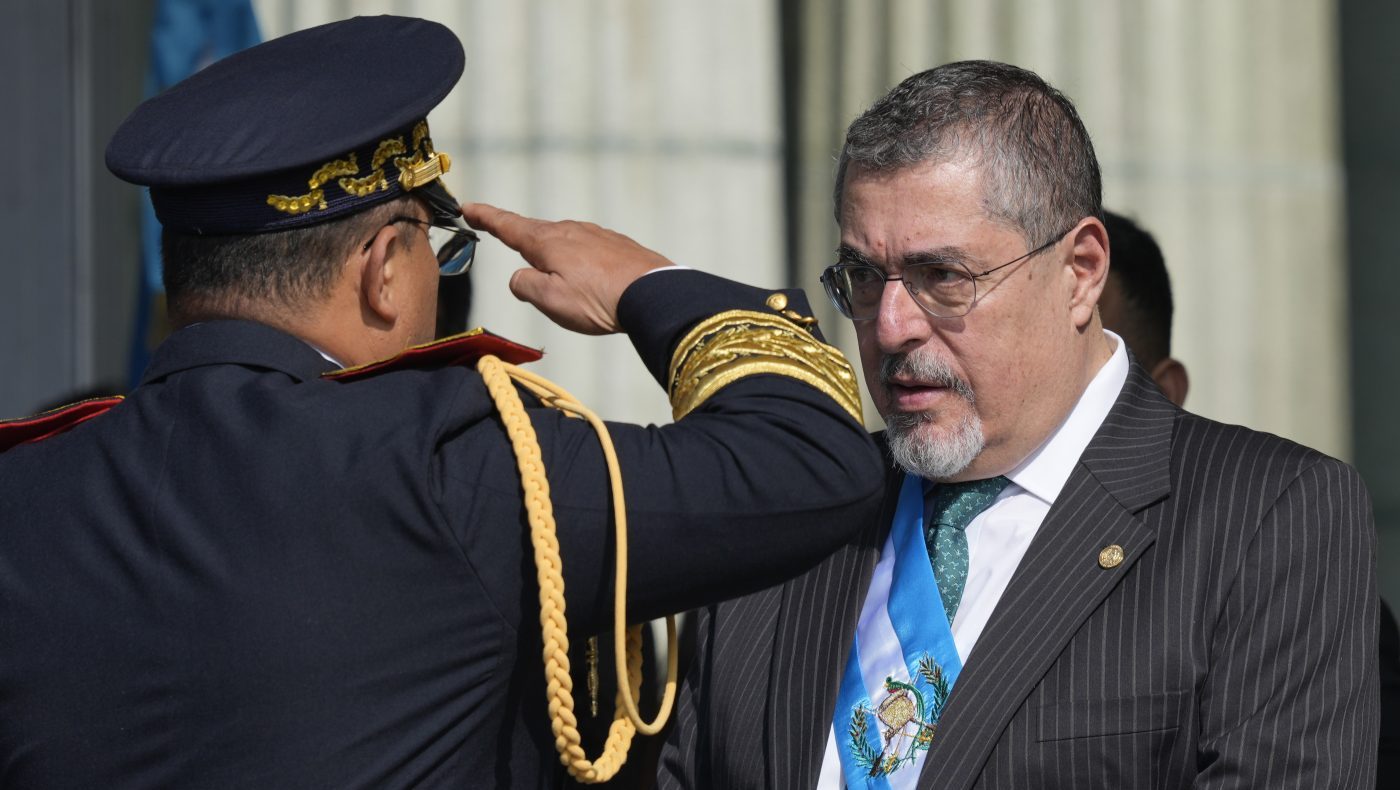
Guatemalan President Bernardo Arévalo on Thursday pushed back against reports that his government had signed off on joint U.S. military strikes against suspected drug trafficking groups within Guatemala’s borders. At a press conference, Arévalo clarified that no such agreement exists, though he acknowledged a request to deepen collaboration under longstanding bilateral pacts.
“There is no agreement. There is a request and the request falls within the existing agreements between both countries,” Arévalo said, seeking to tamp down speculation that Guatemala had authorized U.S.-led airstrikes or ground operations.
The denial follows a New York Times report claiming Arévalo had agreed to airstrikes and other military actions during a phone call with Defense Secretary Pete Hegseth. The report suggested operations could begin as early as next month. Arévalo’s office had earlier confirmed to the Times that he sent a letter formally requesting “cooperation in operations led by Guatemalan security forces against drug trafficking organizations,” and that he and Hegseth spoke on May 19 to finalize terms.
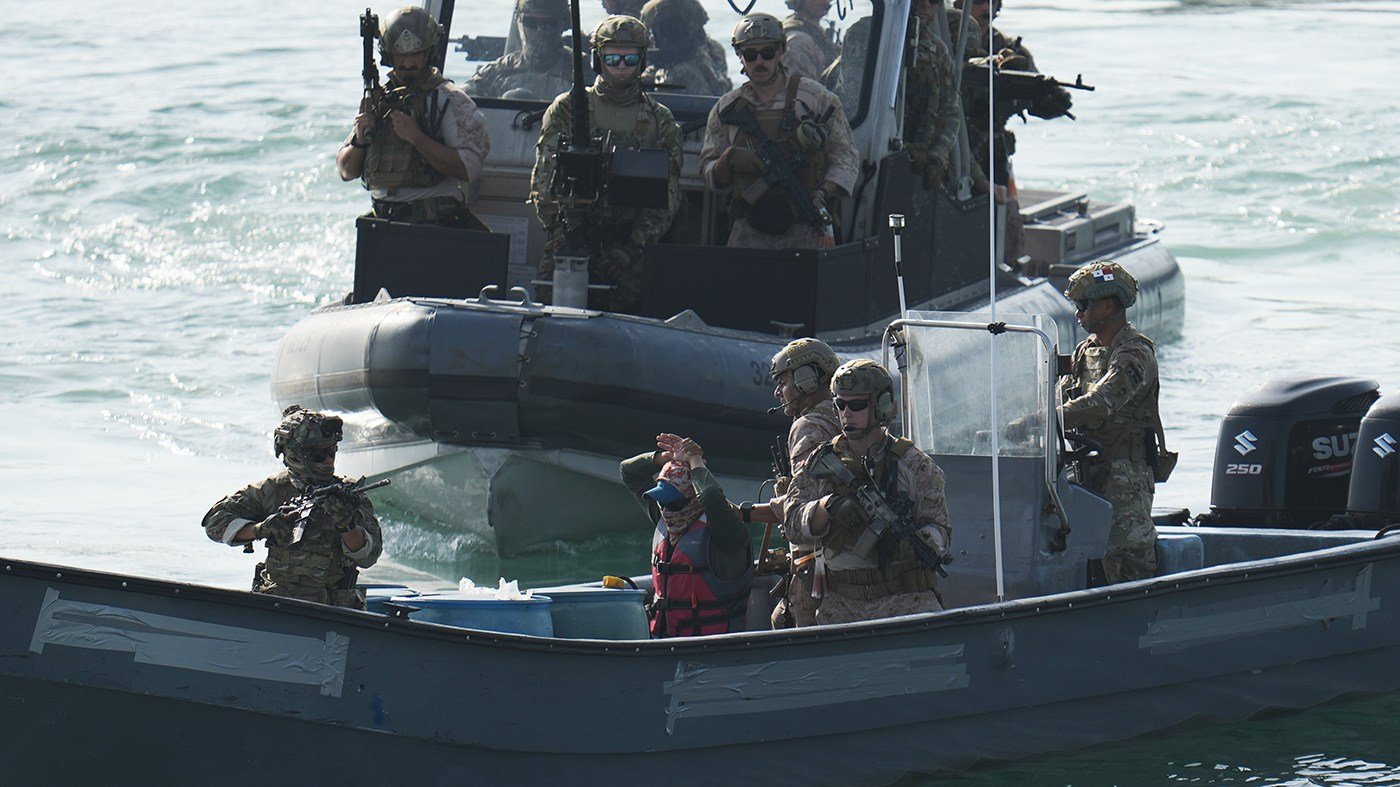
But on Thursday, Arévalo framed the discussions differently. “What we are signing are types of collaboration that have been taking place in the past,” he said, adding that the goal is to “intensify” Guatemala’s fight against drug trafficking. He stressed that any operations would be led by Guatemalan forces, with the U.S. providing training, equipment, and capacity building—much like the maritime interdictions already conducted jointly.
Such an arrangement would expand the Trump administration’s military campaign across Latin America, which already includes strikes on suspected drug boats in the Caribbean and eastern Pacific—a campaign that has killed at least 196 people. Ecuador recently signed a similar deal allowing joint military action, with U.S. forces advising on raids and airstrikes. The White House reportedly aims to normalize a U.S. military presence across the region to pressure Mexico on drug flows.
Arévalo was careful to emphasize constitutional limits. “The only body that can authorize operations involving soldiers in military operations within the territory is the Congress of the Republic. The Guatemalan government is not requesting such cooperation and is not planning to do so,” he said, adding that all actions comply with Guatemalan law.
The episode highlights the delicate balance Arévalo must strike between cooperating with Washington and preserving national sovereignty. While the U.S. seeks to escalate its anti-cartel campaign, Guatemala’s president is signaling that any partnership will be carefully circumscribed.