Senior Republican Laments General's Removal During Defense Budget Hearing
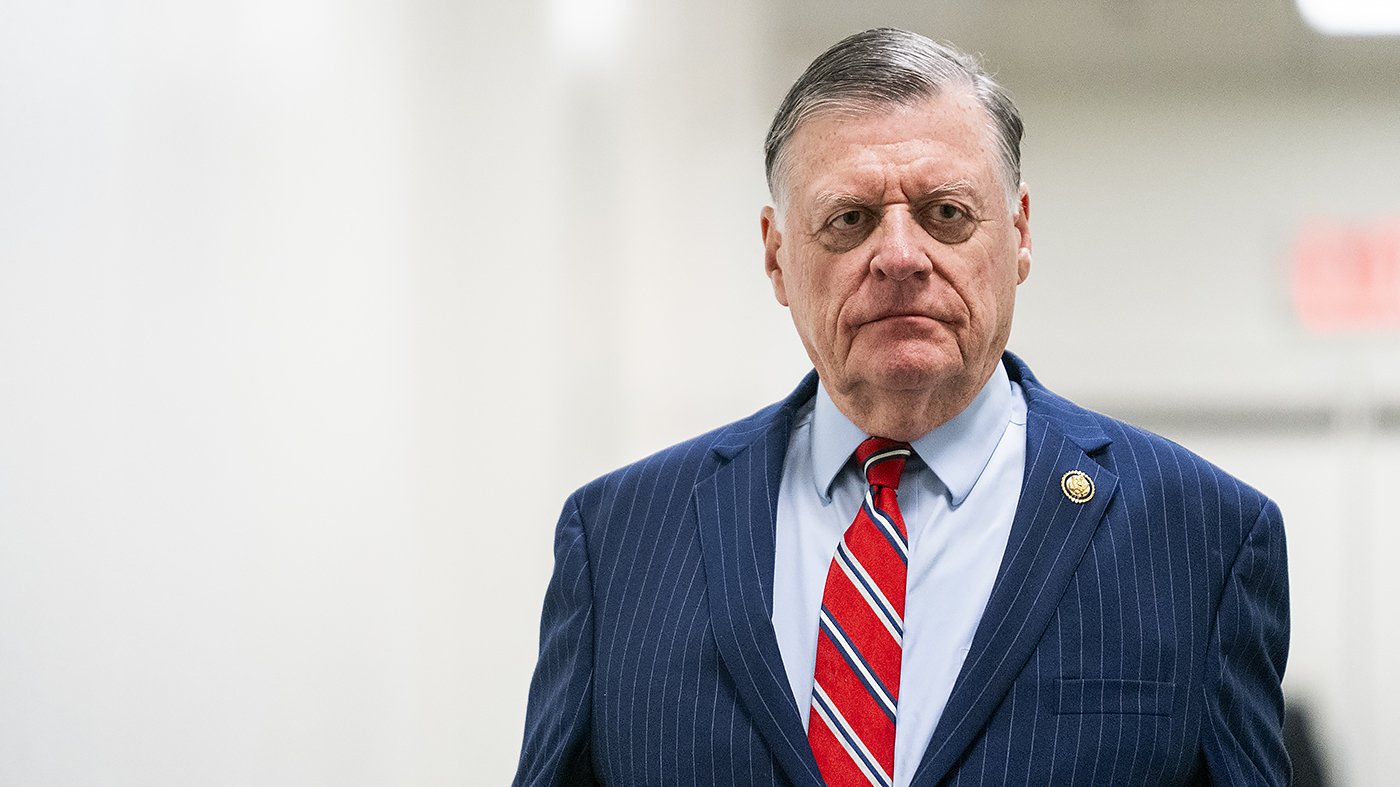
House Appropriations Committee Chairman Tom Cole (R-OK) publicly characterized the recent removal of Army Chief of Staff General Randy George as a significant setback for the military. Cole made his remarks during a Thursday hearing with Army Secretary Dan Driscoll, which was primarily focused on the service's fiscal priorities.
"I want the record to reflect our regret. I personally regret that he is no longer in active service. He is a real loss to us, in my opinion," stated Cole, who leads the powerful committee overseeing federal spending. While expressing confidence that a successor would be capable, the chairman emphasized, "General George is a real loss, and I think [a] Great American."
Sudden Dismissal Follows Decades of Service
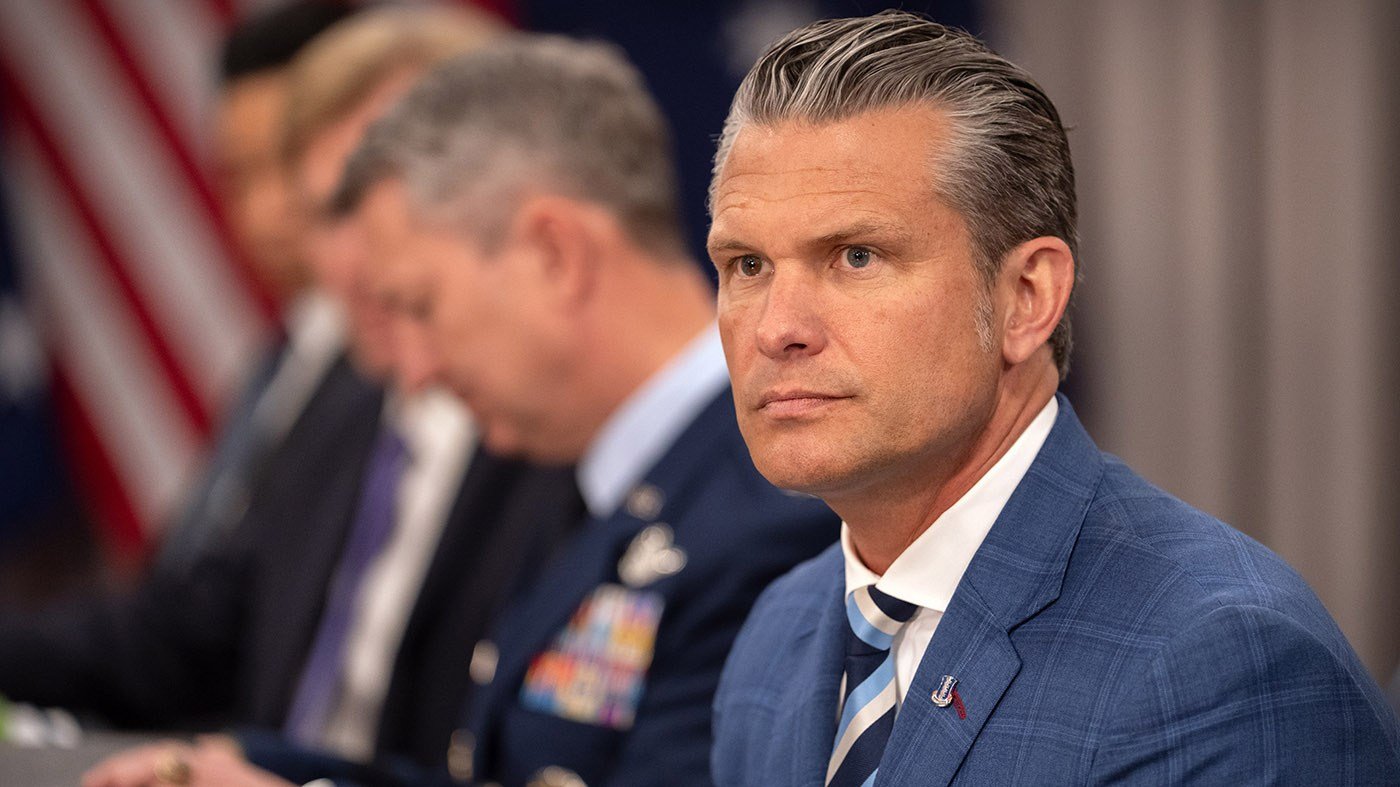
General George, a respected leader with over forty years of Army service, was removed from his post earlier this month at the direction of Defense Secretary Pete Hegseth. The decision reportedly surprised many within the Pentagon and occurred during a period of heightened military activity, including U.S. strikes against Iranian targets.
The circumstances surrounding the dismissal have sparked concern among some lawmakers, particularly regarding its potential impact on military morale and command stability. This hearing followed a separate session where the removal was a central topic of discussion.
Lawmakers Demand Explanation from Pentagon Leadership
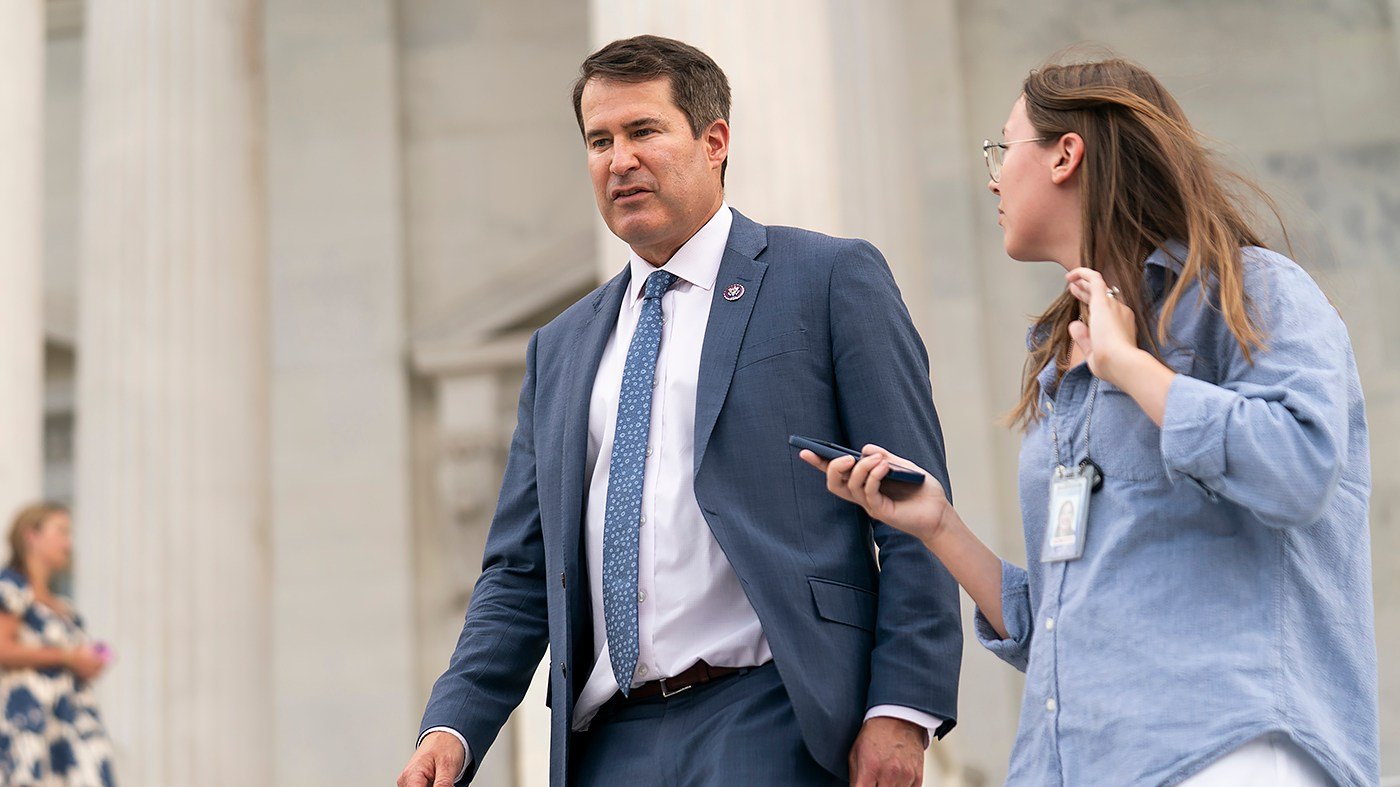
During a House Armed Services subcommittee hearing on Wednesday, Rep. Austin Scott (R-GA) directly questioned the acting Army chief of staff, Gen. Christopher LaNeve, about the reasons for George's dismissal. LaNeve deferred, stating, "That's a question for Secretary Hegseth."
Scott pressed the issue, arguing that the treatment of General George and his wife "will have a chilling effect on the way our services operate in the future." He called for Secretary Hegseth to provide a clear explanation for the personnel decision. A Pentagon official confirmed that the Defense Department has been in communication with Scott's office since the general's ouster.
The controversy unfolds as the Army's top civilian, Secretary Dan Driscoll, is simultaneously tasked with defending the service's substantial budget request. He recently appeared before Congress to justify a massive $1.5 trillion defense budget proposal amid reported tensions with Pentagon leadership over spending priorities.
Broader Context of Political and Security Tensions
The internal military leadership dispute emerges against a complex backdrop of global security challenges and domestic political scrutiny of the administration. The hearing touched on the need for stable military leadership, especially as other federal agencies, like the Department of Homeland Security, face their own crises. A recent warning from the White House budget chief indicated DHS is nearing a state of collapse, highlighting widespread strain on national security institutions.
Furthermore, international concerns add pressure. The U.S. military posture is critical as diplomatic efforts with adversaries continue. For instance, the head of the International Atomic Energy Agency has cautioned that any new nuclear agreement with Iran lacking rigorous verification would be an 'illusion', underscoring the high-stakes environment in which military decisions are made.
The remarks from Chairman Cole and Rep. Scott signal growing congressional unease with the Pentagon's handling of senior leadership changes. As one lawmaker explicitly warned about a 'chilling effect' on the military, the episode raises questions about civil-military relations and the process for key personnel decisions at the highest levels of the Defense Department.