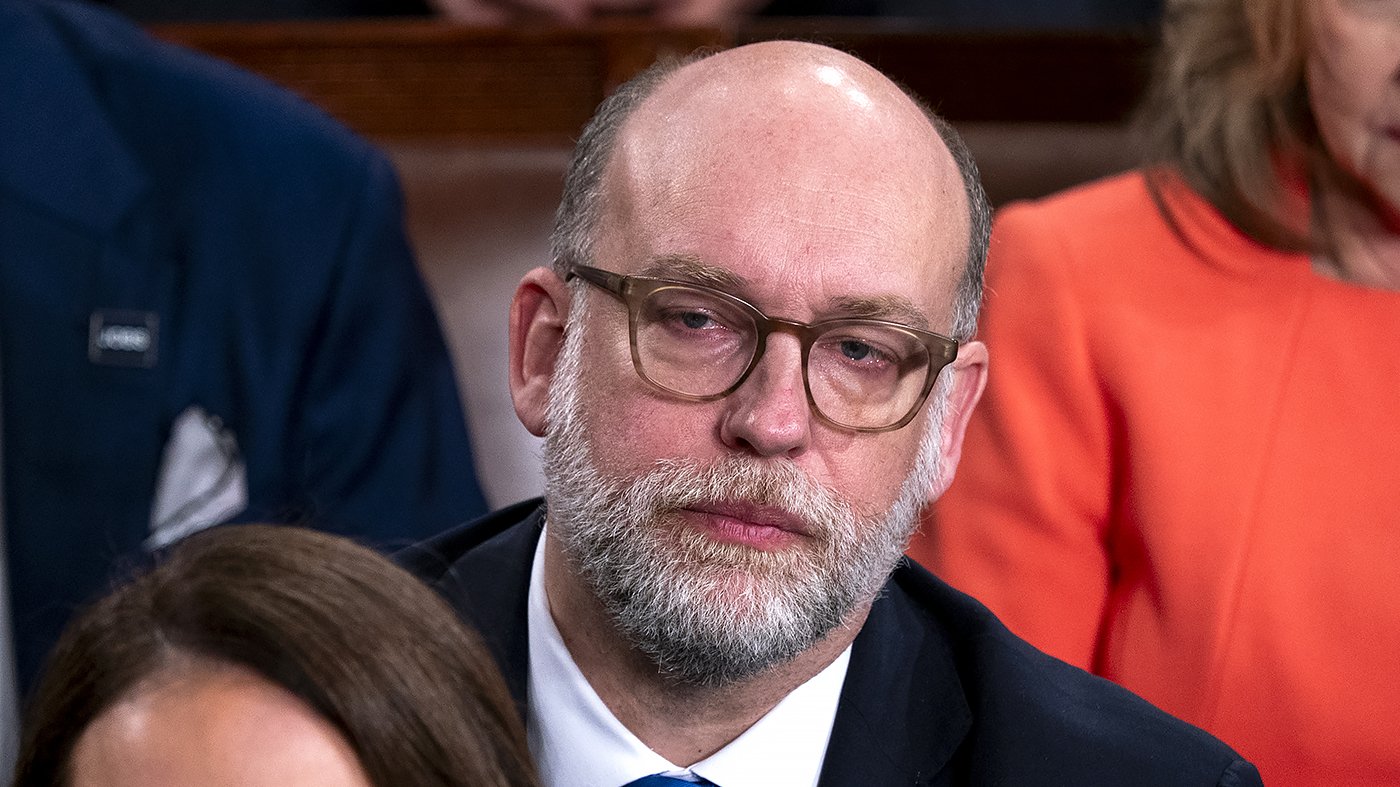
White House Office of Management and Budget Director Russ Vought delivered a stark warning to the Senate Budget Committee on Thursday, declaring that the Department of Homeland Security is actively "disintegrating" due to a prolonged congressional failure to appropriate funds. The department's funding officially lapsed on February 14, leaving its operations in a precarious state for nearly two months.
A Dire Warning on Capitol Hill
In tense testimony before Chairman Lindsey Graham (R-S.C.) and the committee, Vought stated bluntly that "there is no money for the entirety of the Department of Homeland Security." He described an increasingly desperate situation where he and Homeland Security Secretary Markwayne Mullin are engineering temporary fixes to meet payroll, solely to prevent a catastrophic exodus of federal personnel. "The secretary and I are having to figure out ways to temporarily fund people's paychecks so we don't have people quit and embark on new careers," Vought explained.

Public Safety and Preparedness at Risk
The senior administration official framed the crisis as an immediate threat to national security and public safety. He testified that every component within DHS is currently unfunded, including the critical Disaster Relief Fund. This leaves the federal government financially unprepared to respond to hurricanes, wildfires, or other natural disasters. "As we draw down that fund, we are not prepared for a natural disaster from a funding standpoint," Vought cautioned.
Vought indicated that the administration is tapping a temporary funding mechanism from previously passed legislation, specifically referencing the One Big Beautiful Bill Act, to cover salaries. This stopgap measure is intended to ensure Secretary Mullin "doesn't have a complete walkout on his hands." However, Vought stressed this is not a sustainable solution and that a permanent funding mechanism from Congress is urgently required.
Broader Budget Battles Loom
This crisis unfolds against a backdrop of intense fiscal debates in Washington. Vought himself has been a central figure in defending the administration's broader budgetary priorities, including a massive proposed surge in defense spending paired with significant domestic cuts. The DHS funding impasse highlights the practical consequences of these protracted appropriations fights, moving beyond political rhetoric to impact core government functions.
The situation has already prompted congressional scrutiny elsewhere, as DHS leadership faces intense questioning from House lawmakers over the department's budget and immigration funding during the extended shutdown. The standoff reflects deeper partisan divisions over spending priorities and border security that have repeatedly stalled the appropriations process.
Vought's testimony served as a direct appeal to lawmakers, warning that without immediate congressional action, the department's operational capacity will continue to erode as more career staff depart for stable employment. He described the conditions witnessed when Secretary Mullin recently took office as "incredibly concerning," signaling that the internal strain is severe and worsening by the day.
The warning from the White House budget chief places intense pressure on Congress to resolve the funding lapse before the department's ability to fulfill its security and emergency missions is irreparably damaged. The testimony underscores how budget stalemates on Capitol Hill translate into tangible risks for federal operations and national preparedness.