Budget Director Faces Congressional Scrutiny Over Ambitious Fiscal Plan
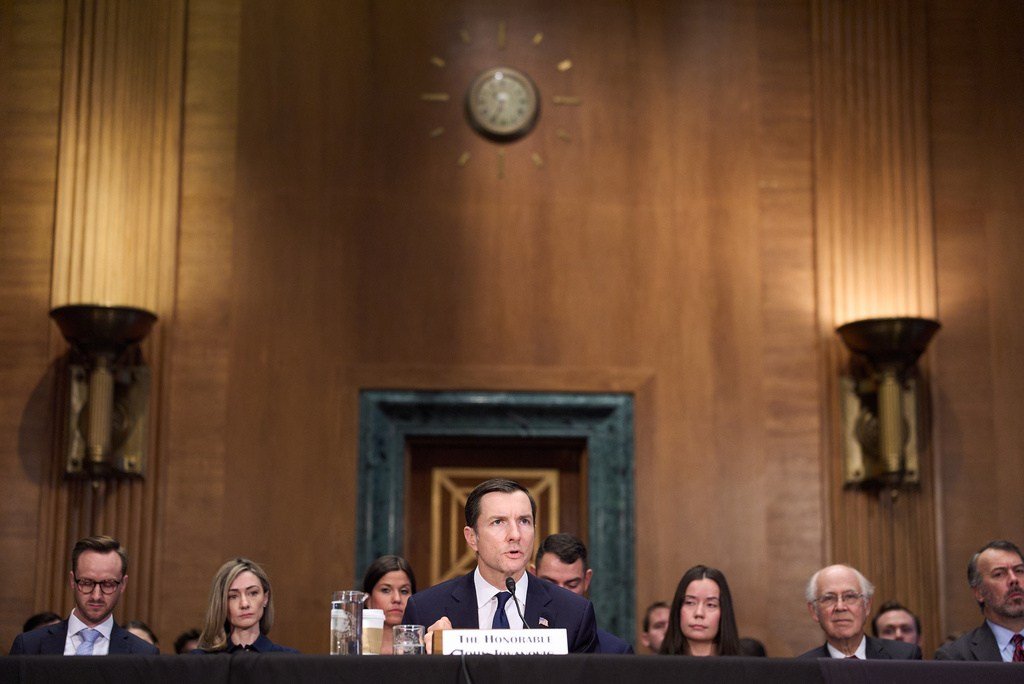
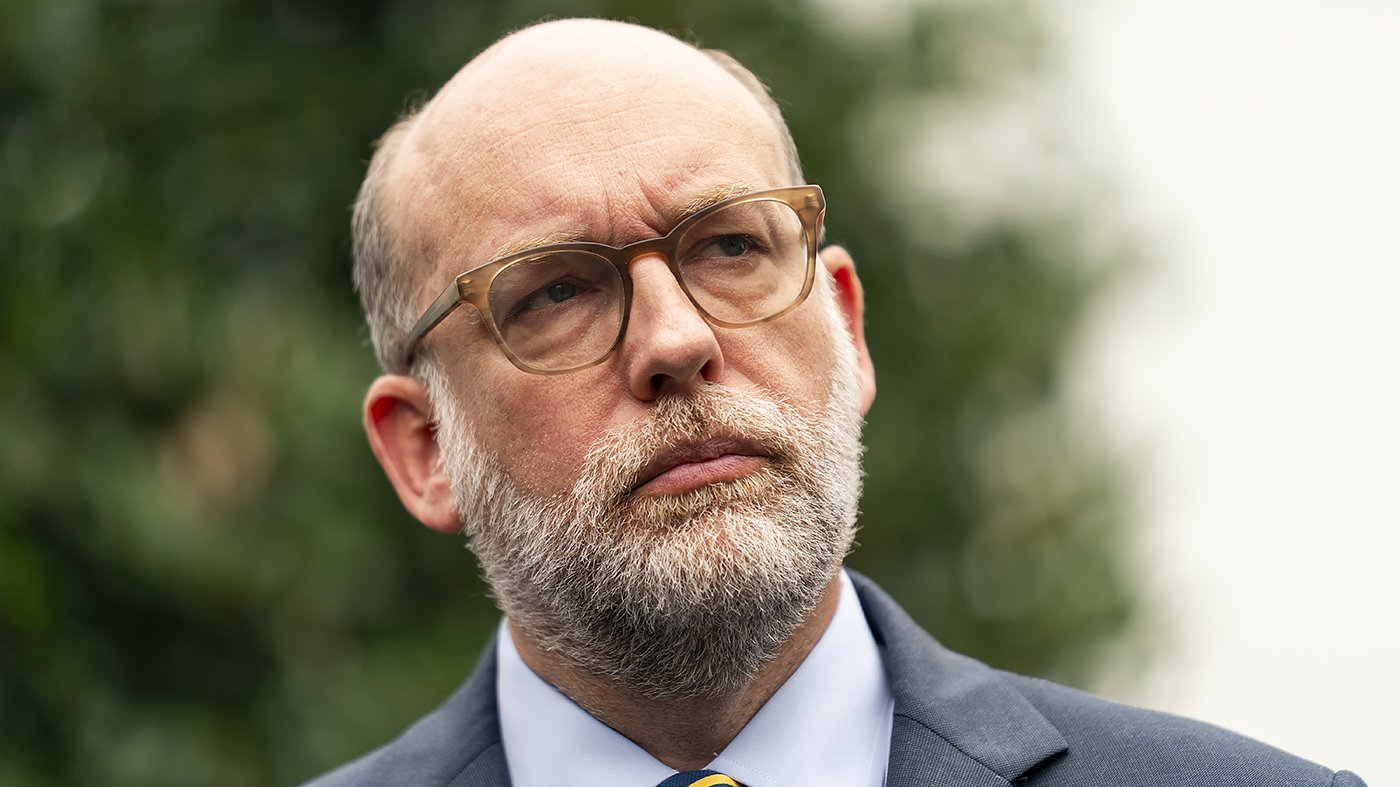
Office of Management and Budget Director Russ Vought will appear before the House Budget Committee on Wednesday morning to defend the Trump administration's fiscal year 2027 budget proposal. The hearing represents the first major congressional examination of a spending blueprint that would dramatically reshape federal priorities through substantial defense increases paired with significant domestic reductions.
Major Spending Shifts Proposed
The administration's request calls for $1.5 trillion in defense spending, representing an approximately 42 percent increase over projected 2026 levels. Simultaneously, the proposal would reduce non-defense discretionary spending by $73 billion. According to administration documents, these cuts specifically target what officials describe as "woke, weaponized, and wasteful programs," with some responsibilities returning to state and local governments.
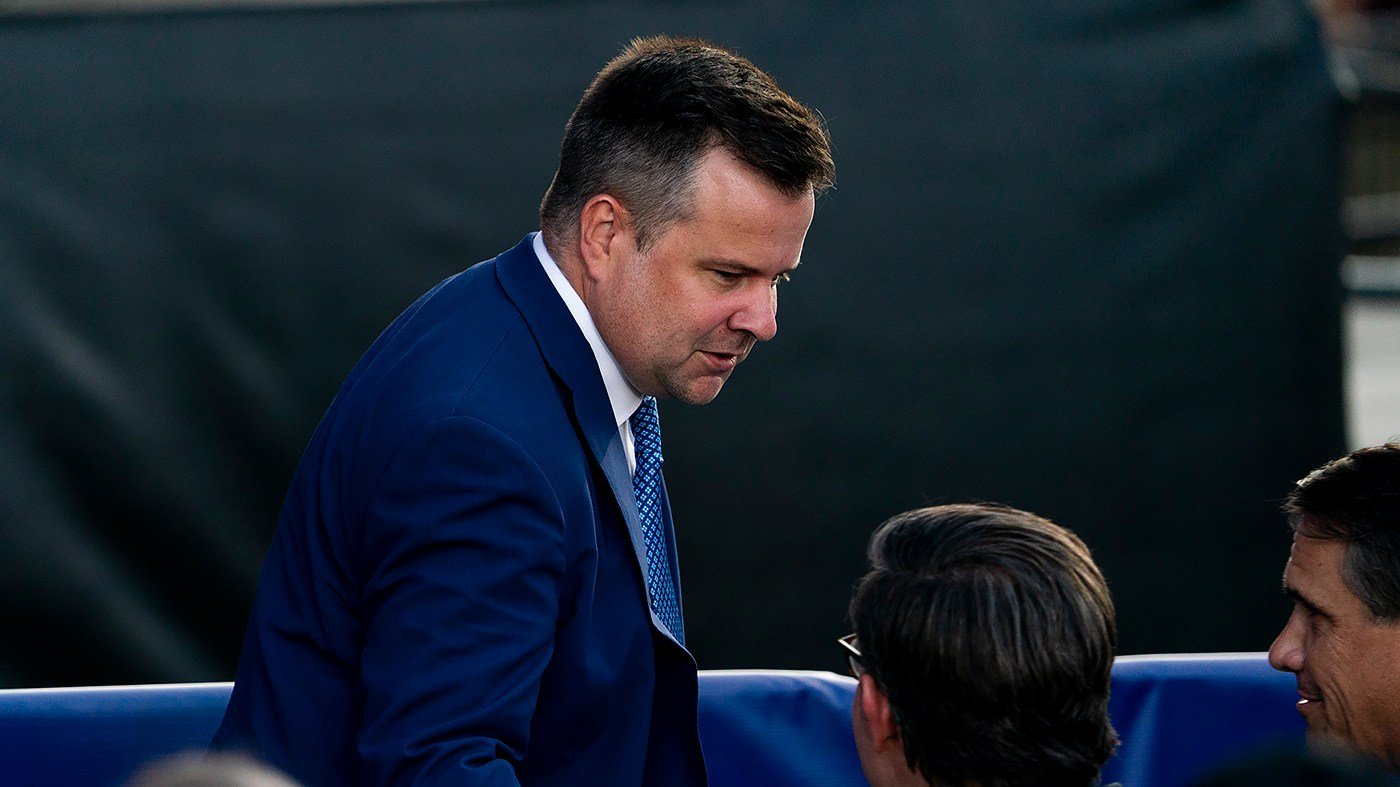
Vought's testimony comes as congressional Democrats have already signaled strong opposition to the budget framework. The proposal arrives amid ongoing fiscal debates about the nation's long-term debt trajectory and competing priorities between national security investments and domestic programs. The hearing will likely explore the practical implications of these proposed shifts and their alignment with congressional spending caps.
The administration's defense request marks one of the largest single-year increases in recent history, reflecting continued emphasis on military modernization and strategic competition. This comes as the Pentagon faces legal challenges regarding its classification of certain technology companies as national security risks, highlighting the complex intersection of defense policy and private sector innovation.
Domestic Program Reductions Face Opposition
The proposed $73 billion reduction in non-defense spending would affect numerous federal agencies and programs. Administration officials argue these cuts would eliminate inefficient programs and return authority to state and local levels, while critics contend they would undermine essential services. The budget document suggests these reductions would particularly impact initiatives the administration views as politically motivated or outside proper federal scope.
This approach continues a pattern of budgetary pressure on scientific and research agencies, including recent actions affecting climate research funding. Similar restructuring has occurred at other agencies, including an EPA reorganization that reassigned scientific staff and required relocations.
Democratic lawmakers have prepared to challenge both the magnitude and distribution of the proposed cuts. The budget request arrives as other administration priorities, including potential TSA workforce reductions to advance airport security privatization, face congressional scrutiny. These proposals collectively represent a significant reorientation of federal responsibilities.
Political Context and Timing
The hearing occurs amid broader political debates about fiscal responsibility and government role. The administration's budget emphasizes defense preparedness while proposing domestic retrenchment, setting the stage for contentious negotiations with Congress. This fiscal blueprint follows other administration initiatives, including recent promotion of tax-free tips policy through unconventional means.
Opposition figures have already condemned the proposal, with Hillary Clinton describing it as an attack on families while offering alternative policy frameworks. The budget debate unfolds as other political figures, including newly elected officials confront fiscal realities in their first months governing.
The House Budget Committee hearing begins at 10:15 a.m. Eastern Time, with Vought expected to face detailed questioning about the proposal's assumptions, impacts, and legislative prospects. The session represents a critical early test for a budget that would significantly alter federal spending patterns if enacted.