One hundred days into their administrations, the democratic socialist mayors of New York City and Seattle are confronting the complex realities of governance, with ambitious campaign platforms running into fiscal constraints, institutional barriers, and political opposition.
New York City: A Budgetary Impasse
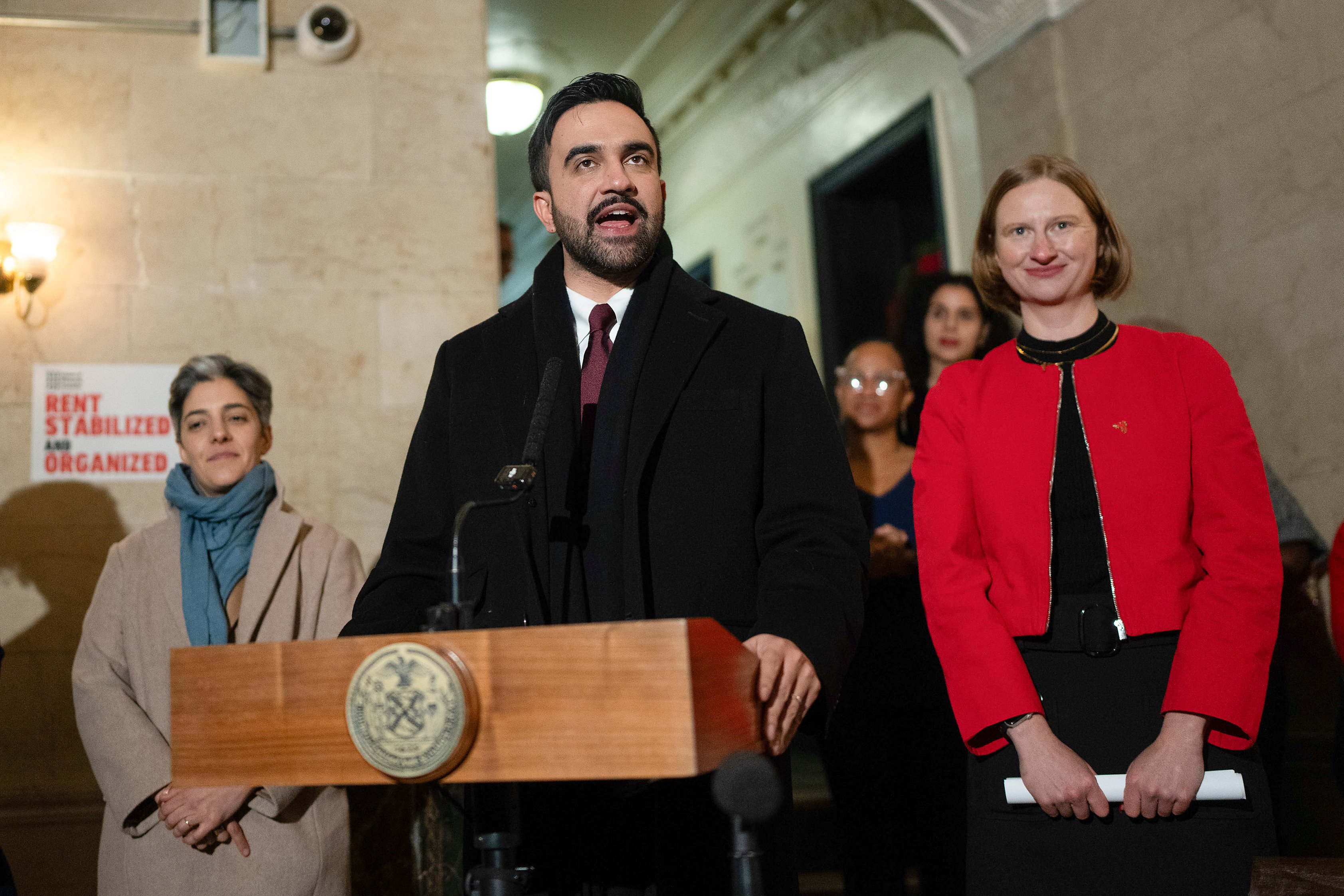
New York City Mayor Zohran Mamdani, who took office on January 1, 2026, secured an early victory with $1.2 billion in state funding for universal childcare for two-year-olds. His administration has also made progress on basic municipal services, filling 100,000 potholes by early April. However, his signature proposals have largely stalled. The promise of fare-free buses is deferred, as the Metropolitan Transit Authority is a state agency, not under city control. Plans for city-run grocery stores remain theoretical, and rent freezes face familiar legal and economic hurdles.

The central challenge is a multi-billion-dollar budget gap. Mamdani blames his predecessors, while critics argue his spending plans worsened the deficit. His proposed wealth tax was rejected by Democratic Governor Kathy Hochul, and a backup plan for a 9.5 percent property tax increase was blocked by City Council Speaker Julie Menin (D). This fiscal standoff illustrates a core governing difficulty: ambitious social programs require funding sources that are not always politically attainable.
Personnel Controversies Compound Challenges
Mamdani's personnel decisions have sparked controversy, drawing criticism and distracting from his policy agenda. Appointees to community committees, including Waleed Shahid and Tamika Mallory, have faced scrutiny over past statements concerning Jewish communities. Another appointee, Catherine Almonte Da Costa, resigned after antisemitic social media posts resurfaced. The mayor defended the appointment of musician Mysonne Linen, who served time for armed robbery, to a legal system panel as bringing "lived experience." A late March Marist Poll showed Mamdani with a 48 percent approval rating—positive, but well below the 61 percent his predecessor Eric Adams held at the same point, and with only 27 percent approval among unaffiliated voters.
Seattle: A Narrow Mandate Meets Intractable Problems
In Seattle, Mayor Katie Wilson, sworn in on January 2 after winning by a razor-thin 0.73 percent margin, has faced similar headwinds. When asked if she had delivered her full platform in 100 days, she laughed—a moment of candor that underscored the scale of the task. Her central campaign issue, homelessness, has seen no material improvement. Five hundred promised shelter units have not been built, even as the city prepares to host FIFA World Cup games in just over two months.
Wilson's response to criticism about homeless individuals refusing services—framing it as a "mismatch of services"—highlights a policy approach that, according to critics, avoids tougher conversations about addiction, mental health, and personal accountability. The city's longstanding heavy spending on homeless services has yielded little visible street-level progress, suggesting funding alone cannot solve problems lacking treatment capacity and behavioral health infrastructure.
The Structural Hurdle of Housing Policy
A deeper, structural issue looms for both administrations: housing. Economists from Milton Friedman to Thomas Sowell have long argued that rent controls, a popular progressive policy, reduce housing supply by discouraging new construction and accelerating the deterioration of existing units. This creates a fundamental tension for leaders promising both affordability and abundant housing. As debates over wealth inequality intensify, the practical outcomes of such policies are under fresh scrutiny.
The political landscape for progressive urban governance remains fraught. These early struggles in major cities occur as the national political climate shows signs of shifting, and as Democratic leaders elsewhere balance base pressure with political reality. The experiences in New York and Seattle serve as a real-time test of whether democratic socialist policies can be translated into effective administration.
The corrective path, argue critics, is clear: enforce laws consistently, streamline permitting to encourage construction, maintain competitive tax environments to retain employers, and address homelessness with a focus on treatment and accountability. The first 100 days suggest that for Mayors Mamdani and Wilson, the hard work of aligning political vision with operational reality has only just begun.