Forecaster Sees Democratic Gains in Senate Landscape
A prominent nonpartisan election analyst has adjusted its outlook for four critical U.S. Senate contests, moving each toward Democratic candidates. The Cook Political Report announced the changes Monday, pointing to what it describes as an increasingly unfavorable national political environment for Republicans. Despite these shifts, the analysis concludes that Republicans remain narrow favorites to retain their majority in the chamber following November's elections.
"With an increasingly sour national environment for Republicans, the Senate battlefield is shifting in Democrats' favor," wrote Jessica Taylor, the report's Senate and governors editor. She cautioned, however, that "due to the difficulty of the map, winning back a majority still remains a tall order. The GOP remain the narrowing favorites to retain the upper chamber. That outlook could change in the coming months."
Specific Race Ratings Changed
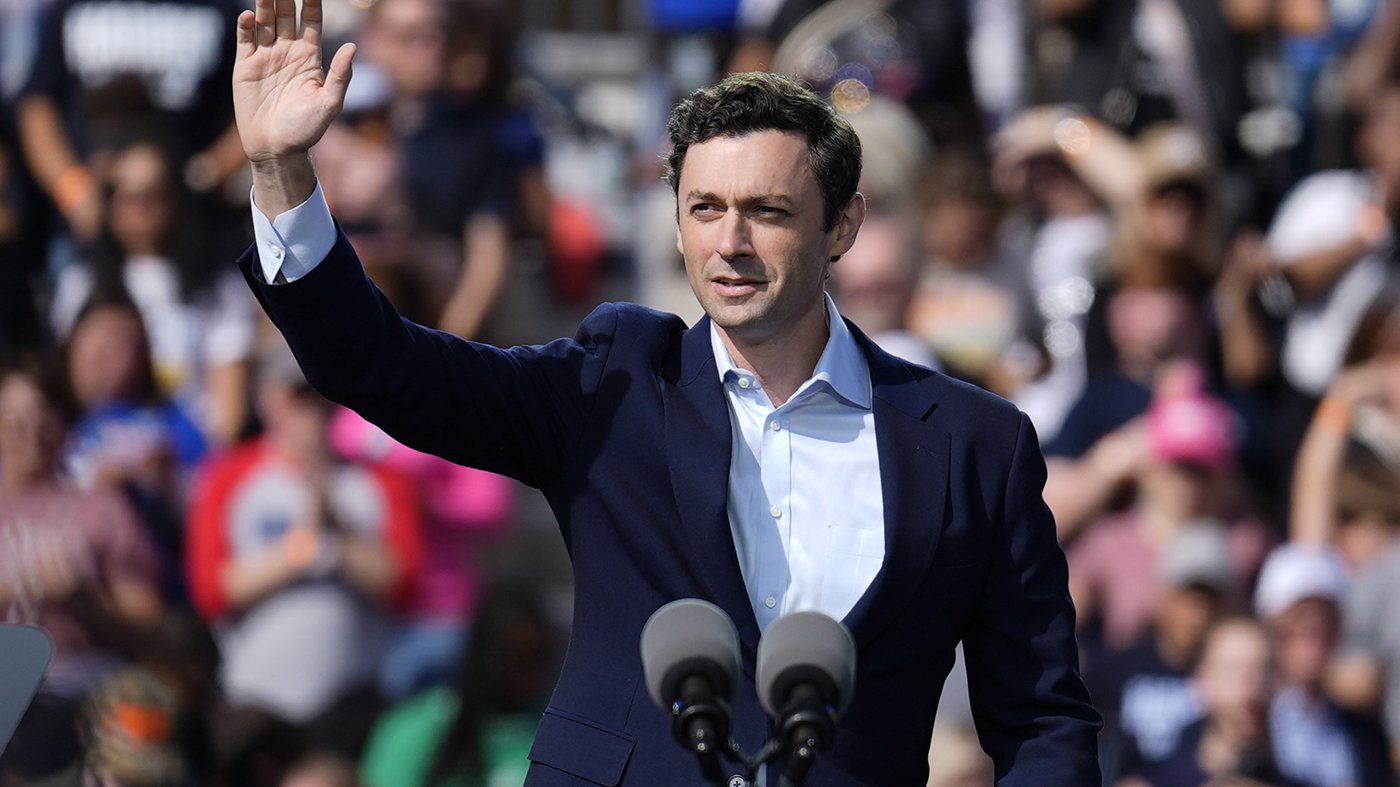
The forecast moved two races from "Toss Up" to "Lean Democrat": the open seat in North Carolina to replace retiring Republican Senator Thom Tillis, and the reelection campaign of Democratic Senator Jon Ossoff in Georgia. Additionally, the race for the Ohio seat held by appointed Republican Senator Jon Husted was downgraded from "Lean Republican" to "Toss Up." In Nebraska, Republican Senator Pete Ricketts's race was moved from "Solid Republican" to "Lean Republican."
In Ohio, Husted, appointed by Governor Mike DeWine to replace Vice President Vance, is likely to face former Senator Sherrod Brown, a Democrat who lost his seat in 2024. In Nebraska, Ricketts faces a challenge from independent candidate Dan Osborn, who previously lost to GOP Senator Deb Fischer. The North Carolina contest features former Democratic Governor Roy Cooper against former Republican National Committee Chair Michael Whatley. Georgia's Democratic Senator Ossoff will face the winner of a crowded Republican primary field.
Taylor identified President Donald Trump's declining approval ratings as central to Republican challenges. "Nothing he has done lately has boosted his party's prospects—including an unpopular military action in Iran that sent gas prices skyrocketing, even as he has dismissed voters' concerns about affordability," she wrote, referencing the ongoing U.S. naval blockade against Iran. She added that Trump "has even seen his advantage on immigration erode amid disapproval of ICE's controversial enforcement tactics."
Democrats Face Obstacles to Majority
Republicans currently hold a 53-47 Senate majority. Taylor stated the "likeliest outcome" in November is Democrats gaining one to three seats—short of the four needed to flip control. She noted Democrats "are still contending with messy primary fights" in several states and face a significant financial disadvantage against well-funded GOP-aligned super PACs.
The analysis suggests the political climate could still shift. "We concede that these ratings changes are coming as Trump is at a new polling low and still navigating a yet-to-be-resolved war in Iran," Taylor wrote. "So, it's possible things could rebound for his party or that they could find a rallying cry to get his base out in November—a summer Supreme Court retirement certainly wouldn't hurt."
These Senate developments occur alongside other significant political movements, including redistricting victories that could reshape the House map and internal party tensions, such as those highlighted by Senator John Fetterman's criticism of Democratic skepticism toward Israel. The broader economic context, marked by record wealth concentration, continues to shape voter sentiment ahead of the election.