Democrats Eye Decisive Map Advantage in Final Push
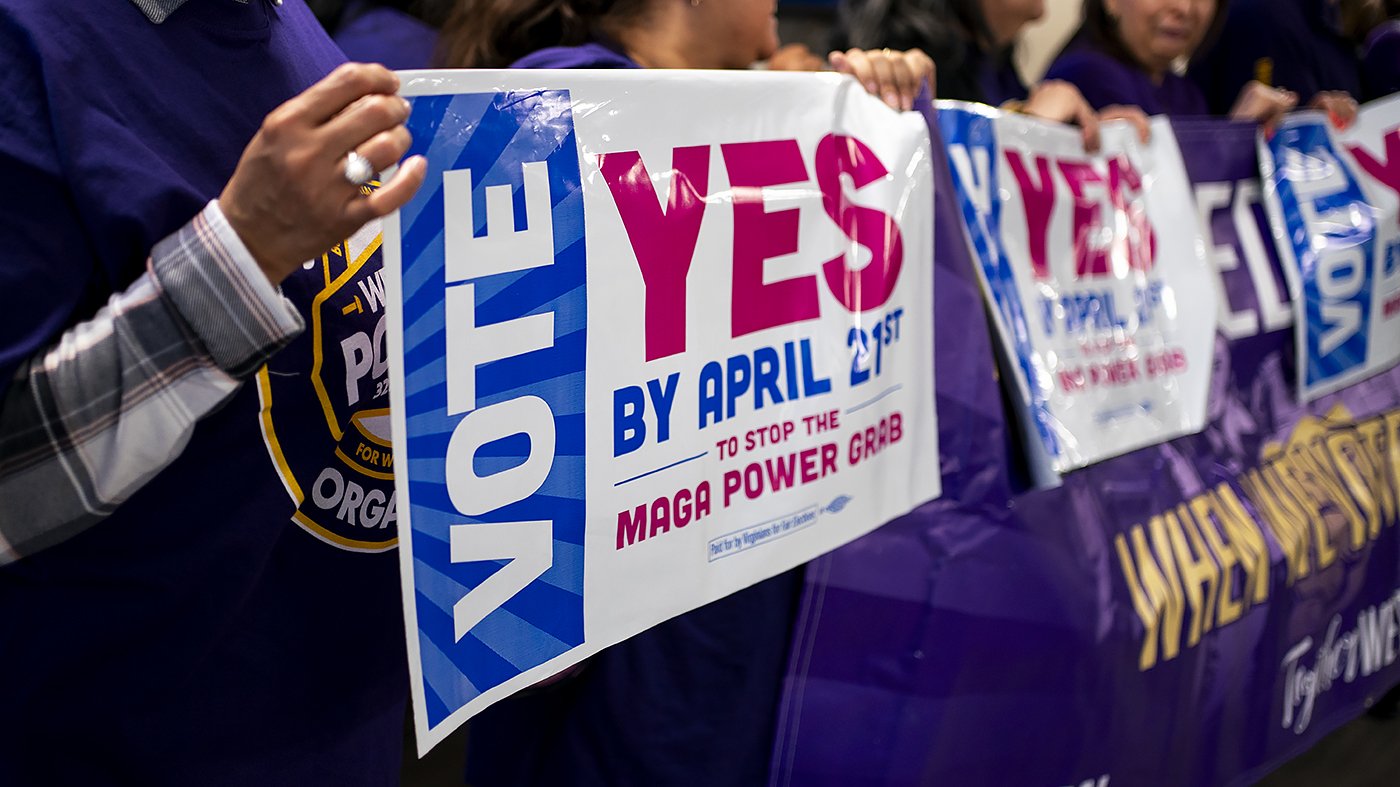
The political battle over Virginia's congressional districts enters its decisive final week, with Democrats positioned to potentially lock in a commanding 10-1 delegation advantage if voters approve a constitutional amendment on April 21. The measure would allow the state's General Assembly to redraw district lines mid-decade, circumventing a bipartisan commission established by voters in 2020.
High Stakes and Heavy Spending
National political forces have poured nearly $50 million into the contest, treating the obscure spring referendum as a critical front in the battle for control of the U.S. House. Democrats need to net just three seats nationally to flip the chamber, and securing four additional favorable districts in Virginia would provide a significant cushion. The outcome could also influence the political standing of Virginia Governor Spanberger, who has faced early criticism from national Republicans.
"It's going to be a close race," said Virginia Democratic strategist Jared Leopold. "It is a unique special election where both Republicans and Democrats are pretty motivated." Early voting turnout has been surprisingly robust, keeping pace with numbers from the state's 2025 general election, though data shows stronger participation so far in districts currently held by Republicans.
The Amendment's Mechanics and Opposition
The proposed amendment would grant the Democratic-controlled legislature temporary authority to adopt new congressional districts, described by proponents as a one-time correction to restore fairness before returning to the standard process after the 2030 census. Opponents argue it undermines the will of voters who supported independent redistricting reform four years ago.
"There's a ton of national money being spent on this, but this still feels like a jump ball," said Brian Cannon of the bipartisan group No Gerrymandering Virginia. "They've spent $40 million dollars and they're only up a few points in the polls." The opposition has been bolstered by a $2.5 million contribution from a group linked to GOP donor Peter Thiel.
Final Turnout Push
Pro-amendment groups are pinning hopes on a "Super Saturday" push this weekend, with new satellite early voting locations opening to increase Democratic access. "We're seeing strong early vote momentum across the Commonwealth, and Super Saturday is about taking that to the next level by making it easier than ever for people to cast a ballot close to home," said Dan Gottlieb, communications director for the vote-yes campaign.
Leopold acknowledged a "slower burn on the 'yes' side," but argued momentum is building. "You're starting to see some real pickups. And I think you're going to see even more this Saturday," he said, noting that expanded voting locations address logistical hurdles in populous counties.
National Implications
The Virginia fight represents perhaps the last opportunity for either party to alter the congressional map before November's midterms. The massive spending—including over $30 million from House Majority Forward, a nonprofit aligned with Democratic leadership, and $11 million from The Fairness Project—highlights the national importance. This intense focus on electoral mechanics mirrors other Democratic priorities, such as the contentious Fair Prices Act, which also draws significant party resources and opposition.
If the amendment fails, Virginia's current 6-5 Democratic edge in its House delegation would remain until the next census. The result will test whether heavy spending and organizational muscle can overcome skeptical voters and stronger early turnout in Republican-leaning areas, setting a precedent for how parties might approach future state-level electoral rule changes.