The United States will impose a naval blockade on Iranian ports starting Monday morning, U.S. Central Command announced Sunday, marking a dramatic escalation following the collapse of international negotiations over Tehran's nuclear ambitions. The blockade is set to begin at 10 a.m. Eastern time, a direct military response ordered by President Trump after he declared diplomatic efforts had failed.
From Negotiation to Naval Action
The decision follows 21 hours of what Vice President Vance characterized as unproductive peace talks in Pakistan on Saturday. The discussions, which aimed to solidify a fragile ceasefire that began last Thursday, reportedly made progress on several points but ultimately foundered on the core issue of Iran's nuclear capabilities. In social media posts Sunday, Trump framed the blockade as a necessary response to what he called "world extortion," vowing that American leaders "will never be extorted."
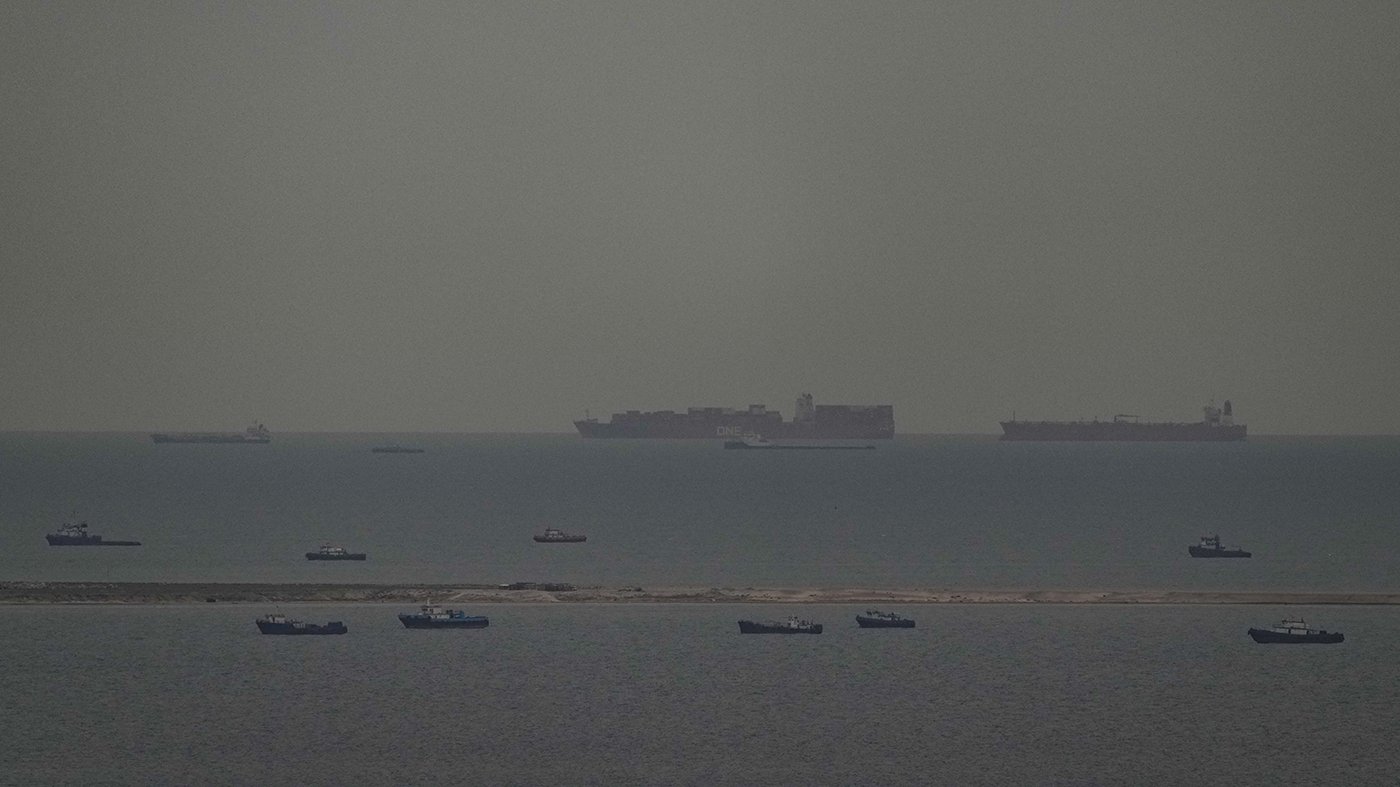
"Effective immediately, the United States Navy, the Finest in the World, will begin the process of BLOCKADING any and all Ships trying to enter, or leave, the Strait of Hormuz," Trump wrote. He further instructed the Navy to "seek and interdict every vessel in International Waters that has paid a toll to Iran," targeting a key revenue stream for the Iranian regime. This move comes after repeated threats from the administration as the Islamabad talks reached their critical juncture.
Scope and Enforcement of the Blockade
In its formal announcement, Centcom stated the blockade would be "enforced impartially against vessels of all nations" but clarified that maritime traffic traveling between non-Iranian ports would still be permitted to transit the strategic waterway. The command pledged to provide additional guidance to commercial shipping operators through formal notices prior to the operation's commencement. The distinction suggests an attempt to minimize global economic disruption while applying maximum pressure specifically on Iran.
The Strait of Hormuz has seen severely limited traffic since the onset of U.S. and Israeli military strikes against Iran on February 28. Even during the recent ceasefire, the flow of oil tankers through the chokepoint—which handles an estimated one-fifth of global seaborne oil cargo—has remained a mere trickle. The blockade now institutionalizes that restriction, directly linking the strait's status to the nuclear standoff.
For the Trump administration, two objectives appear paramount: the permanent reopening of the strait to unimpeded commerce and the verifiable dismantling of Iran's nuclear program. In his Sunday posts, the President dismissed the value of other negotiated points, stating, "all of those points don't matter compared to allowing Nuclear Power to be in the hands of such volatile, difficult, unpredictable people." He concluded that Iran was ultimately "unwilling" to negotiate on its nuclear future, leaving military action as the stated alternative.
Broader Strategic and Economic Implications
The imposition of a naval blockade represents one of the most significant escalations in the long-running confrontation. It transforms the strait from a contested passage into an active zone of U.S. naval enforcement, with profound implications for global energy markets and international law. Legal experts, including former NATO Supreme Allied Commander James Stavridis, have previously rejected Iran's claims over the waterway as illegal, providing a potential legal framework for the U.S. action.
However, the move is not without its domestic critics. Some analysts and political figures have warned that strangling such a vital artery for global trade could backfire economically. The decision has already drawn criticism from figures like Senator Mark Warner, who has publicly labeled the blockade as economically illogical, highlighting the potential for soaring oil prices and supply chain chaos.
The clock is now ticking on the two-week ceasefire that began Thursday. The blockade places immense pressure on Tehran but also risks provoking a military response, potentially shattering the pause in hostilities. The situation remains fluid, with global markets and allied governments awaiting Iran's next move. As the U.S. Navy prepares to enforce its new orders, the world watches to see whether this show of force will compel negotiation or ignite a broader conflict.