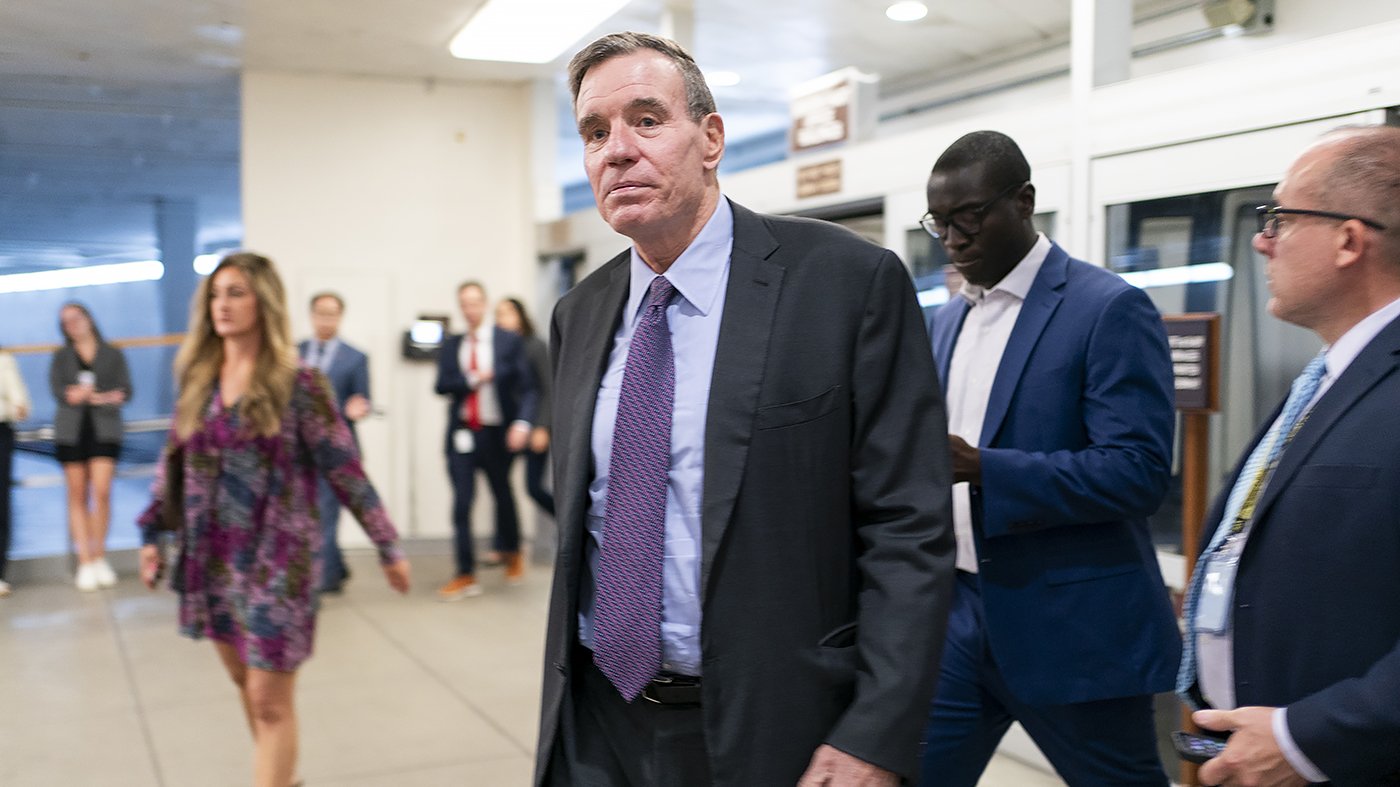
Senator Mark Warner, the Virginia Democrat, publicly challenged the rationale behind President Trump's abrupt order for a U.S. naval blockade of the Strait of Hormuz, calling the move strategically incoherent amid soaring global energy costs.
In an interview on CNN's 'State of the Union,' Warner stated he failed to comprehend the administration's logic. "We know we've got $4-a-gallon gasoline. We know that 25 percent of the world's natural gas goes through the strait. We know a lot of aluminum does," Warner told host Dana Bash. He highlighted the severe economic strain on Asian nations, some of which are implementing weekly economic shutdowns, and noted skyrocketing fertilizer costs.
"The thing I was hoping was we could come to some negotiated truce or end," Warner said, expressing a preference for diplomacy. "But, even with that, you're going to see these energy prices continue at record levels, not for weeks, but months and years. And how blockading the strait gets it open suddenly, I don't get that logic."
Trump's Blockade Order
The senator's criticism followed President Trump's announcement on his Truth Social platform that the U.S. Navy would immediately begin "BLOCKADING any and all Ships trying to enter, or leave, the Strait of Hormuz." The strait, a vital maritime chokepoint for global oil shipments, has been effectively closed since the onset of the U.S.-Iran conflict, with Iran recently imposing tolls on transiting vessels.
The decision comes on the heels of a major diplomatic setback. Following a marathon 21-hour negotiating session with Iranian officials, Vice President J.D. Vance reported Saturday that no progress toward a peace agreement had been achieved. While Vance characterized the talks as "substantive," he concluded, "The bad news is that we have not reached an agreement, and I think that's bad news for Iran much more than it's bad news for the United States of America."
Strategic and Economic Fallout
Warner's remarks underscore a central contradiction in U.S. policy: an action ostensibly aimed at resolving a crisis is predicted to exacerbate its most painful symptom—high energy prices. The blockade risks cementing the strait's closure, directly contradicting Trump's own past warnings against Iran imposing tolls in the waterway, a policy he previously condemned.
The move also follows a pattern of escalating military posturing in the region, including recent incidents where Iran issued warnings to U.S. warships during mine-clearing operations. Analysts, such as former NATO Supreme Allied Commander James Stavridis, have previously rejected Iran's legal claims over the strait as tensions mounted.
Some experts warn that Iran could still leverage the situation for strategic gain. As noted in a recent analysis, Iran may gain a strategic edge in Hormuz through persistent harassment and political pressure, even without winning a direct military confrontation. The administration has simultaneously accused Tehran of violating the terms of the fragile ceasefire that preceded the latest negotiations.
The failed Islamabad talks, which also grappled with deep divisions over Lebanon, highlight the multifaceted nature of the standoff. With the blockade now in effect, the path to reopening the strait and providing relief to global markets appears more distant, potentially locking in high prices for consumers worldwide for the foreseeable future.