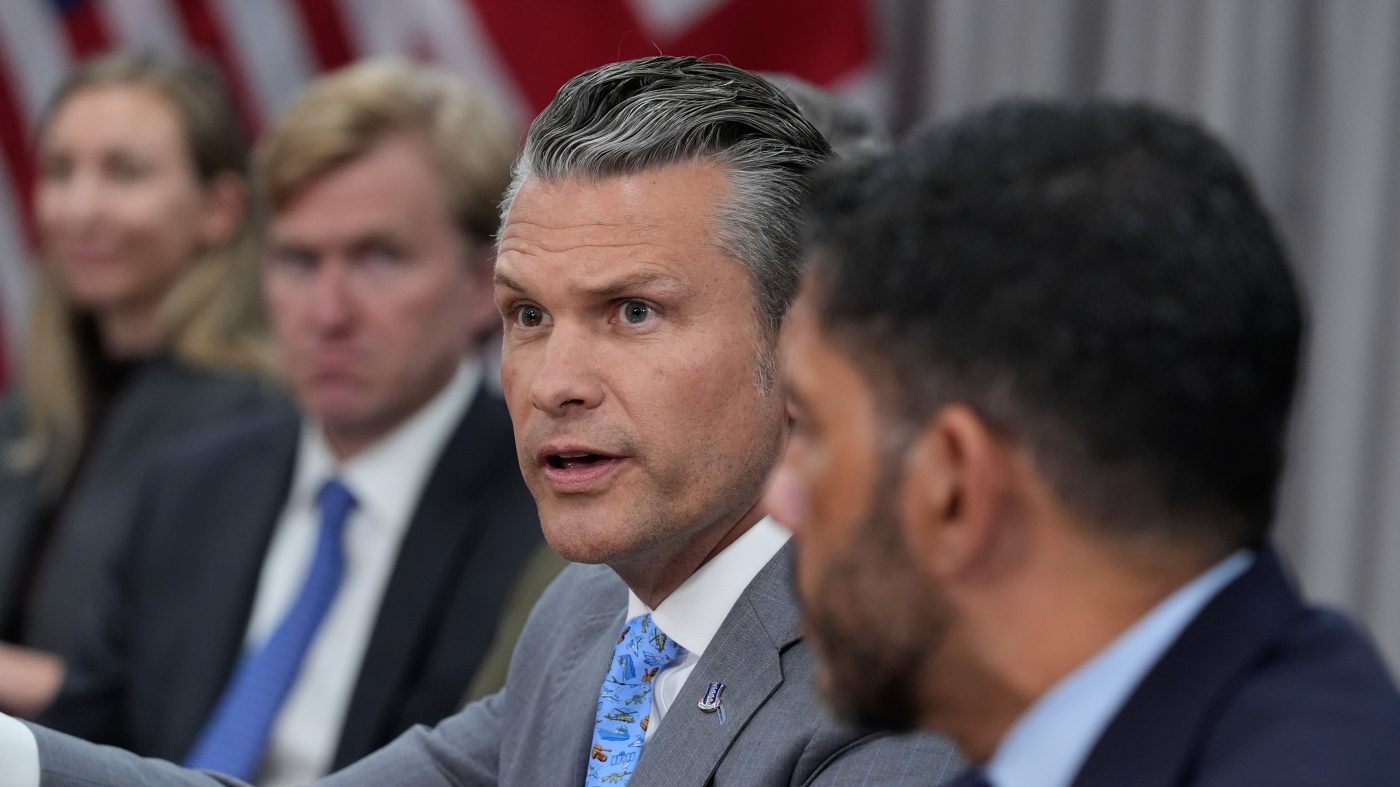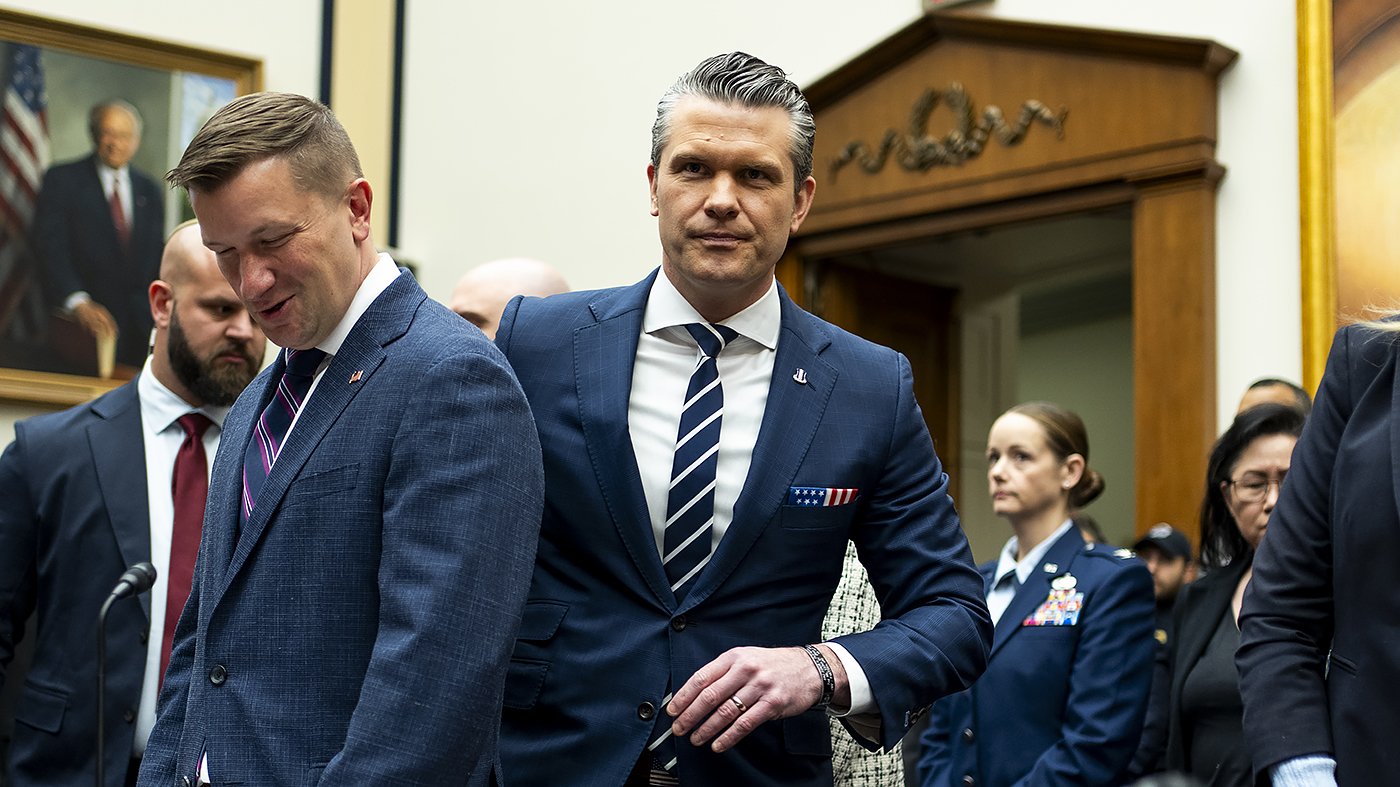
Defense Secretary Pete Hegseth is traveling to Asia this week for the Shangri-La Dialogue in Singapore, the region’s premier defense summit, as uncertainty clouds America’s stance on Taiwan. The trip, his fourth to the Indo-Pacific, comes at a sensitive moment: President Trump’s recent meeting with Chinese President Xi Jinping has fueled concerns among allies about Washington’s reliability.
According to the Pentagon, Hegseth will meet with Singaporean Prime Minister Lawrence Wong and Defense Minister Chan Chun Sing, along with other regional partners. But the real focus will be on his public remarks, which allies hope will clarify US policy toward Taipei after a series of mixed signals.
The most immediate issue is the Trump administration’s decision to freeze a $14 billion weapons package for Taiwan. Officials have offered conflicting explanations. Acting Navy Secretary Hung Cao told senators the hold was due to a munitions review tied to US operations against Iran. But Trump himself has described the arms as a “very good negotiating chip” with Beijing, raising fears that security commitments are being traded for diplomatic leverage.
During a recent Senate hearing, Republican Senator John Kennedy pressed Navy leaders on the delay. “President Xi has telegraphed his anxiety, his insecurity,” Kennedy said. “We want leverage, we want stability, not a war. Why don’t we just go ahead and sell the weapons to Taiwan that Taiwan wants?”
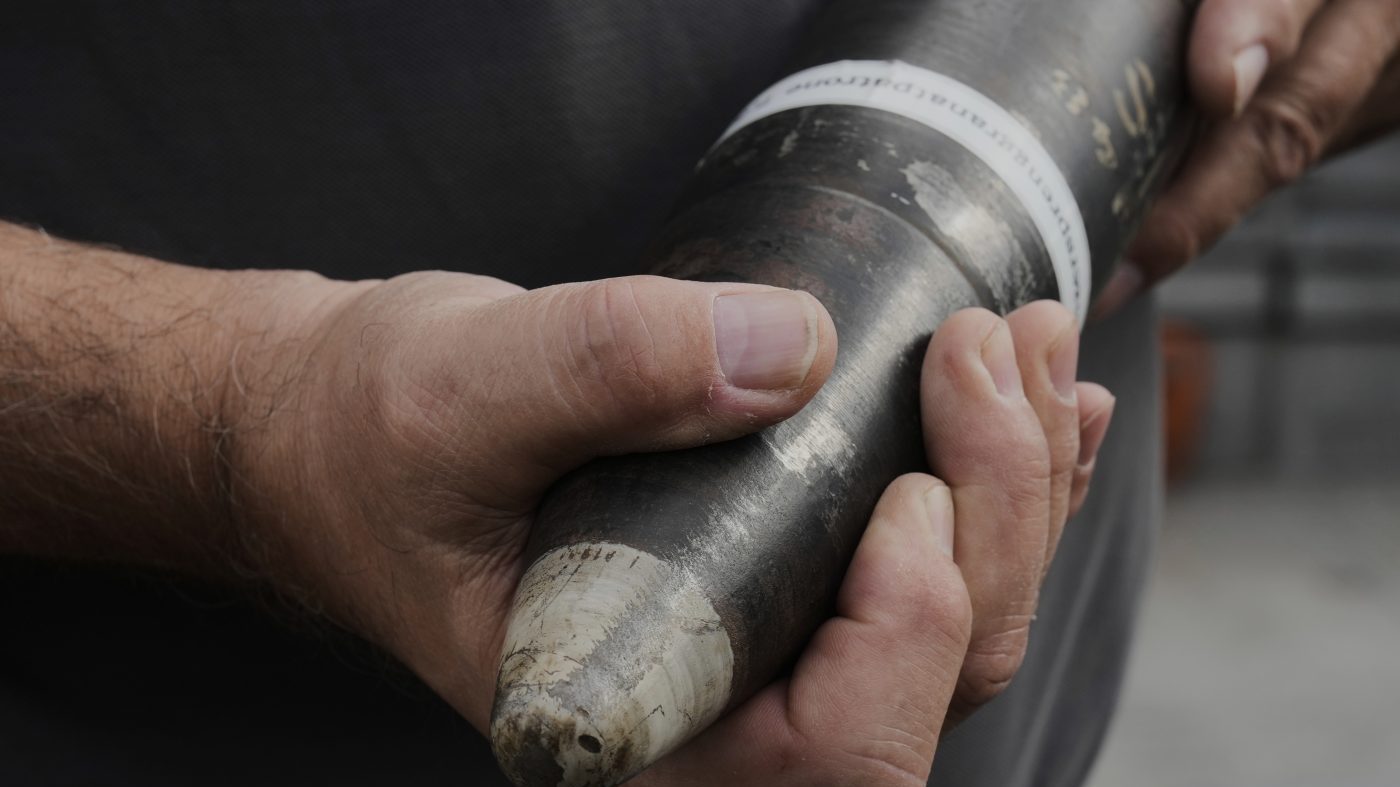
The mixed messaging extends beyond Taiwan. The US has also delayed delivery of Tomahawk missiles to Japan, setting back Tokyo’s long-range strike plans. Analysts see the pattern as part of a broader effort by Trump to keep US-China relations on a constructive track ahead of Xi’s expected visit to Washington in September. Evan Sankey, a Cato Institute analyst, told The Hill the freeze serves dual purposes: “On one hand, Trump wants to keep relations constructive. On the other, there is a munition problem. If you can delay both issues at once, it makes sense.”
Hegseth’s previous appearance at the Shangri-La Dialogue in May 2023 was marked by blunt language. “Any attempt by Communist China to conquer Taiwan by force would result in devastating consequences for the Indo-Pacific and the world,” he said then. He added that the threat “could be imminent.” This year, his tone will be closely watched for any shift.
China’s Defense Minister Dong Jun is expected to skip the forum for a second consecutive year, a sign of Beijing’s displeasure. China has repeatedly threatened to take Taiwan by force and has ramped up military drills near the island. It has also warned Washington against arms sales, calling the December approval of an $11 billion package—including HIMARS rocket systems and ATACMS—a push toward “a dangerous and violent situation.”
Democrats and some Republicans have urged the administration to move forward with the frozen $14 billion sale. They argue that allowing Beijing to influence US arms transfers undermines deterrence. Senator Mitch McConnell pressed Acting Navy Secretary Cao on the issue, who responded that the pause is temporary and that foreign military sales will resume “when the administration deems necessary.”
The trip also comes amid broader questions about Trump’s approach to the Indo-Pacific. Hegseth was part of the delegation that traveled to China earlier this month, and Trump has said the Taiwan arms package was discussed “in great detail” with Xi—a departure from the long-standing US policy of not consulting Beijing on such sales.
As Hegseth prepares to take the stage in Singapore, allies are looking for a clear signal that the US remains a reliable partner. The stakes are high: any perceived retreat could embolden Beijing and unsettle a region already on edge.