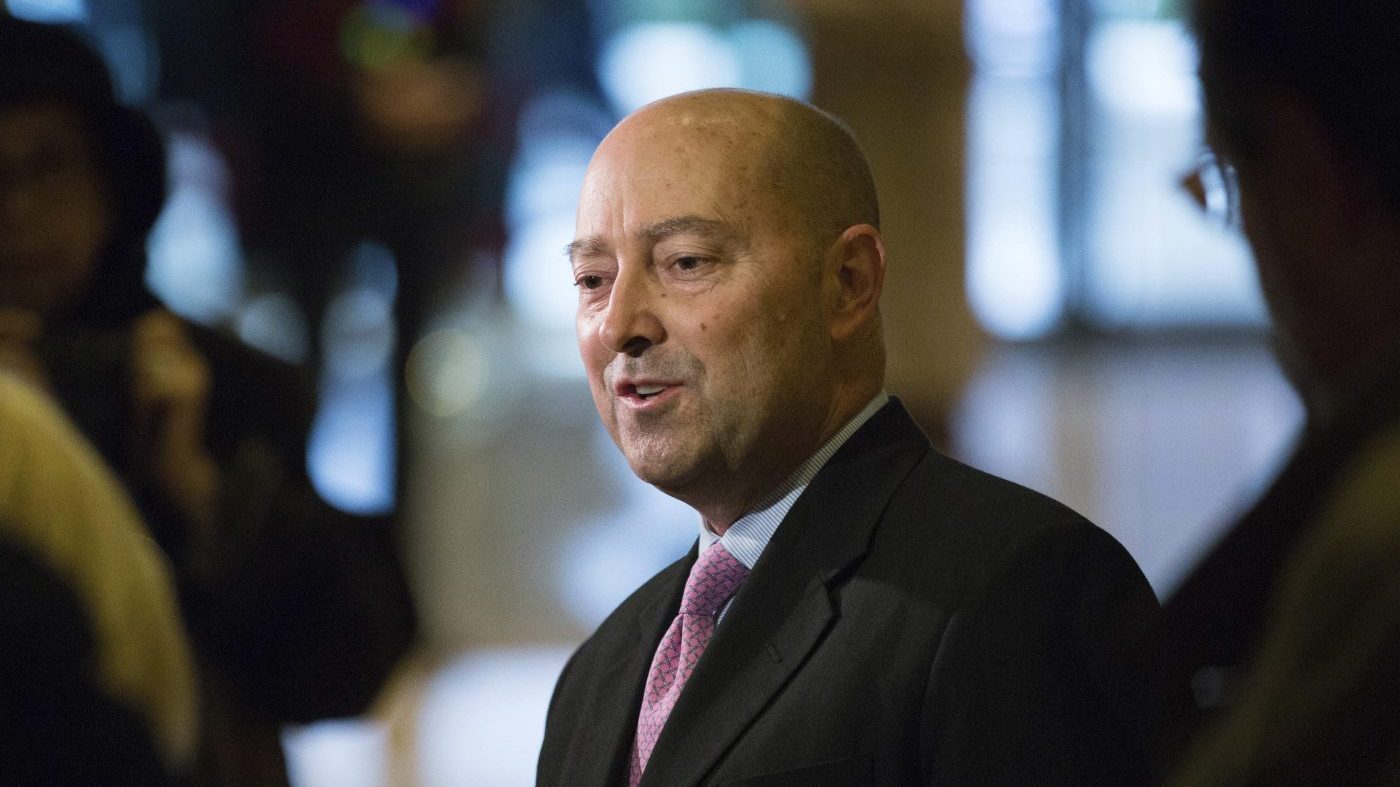
Former NATO Supreme Allied Commander James Stavridis has forcefully rejected Iran's recent statements regarding control of the Strait of Hormuz, calling the position "nonsense" and a violation of international maritime law. His comments come as a fragile ceasefire between the United States and Iran shows strain over the critical waterway.
Iran's Contested Control
Iranian Deputy Foreign Minister Saeed Khatibzadeh stated this week that the strait is open, but asserted that vessels must coordinate passage with Iran's military. He cited "technical restrictions" due to the ongoing conflict zone and arrangements made by Iran during what he termed "this aggression against Iran." Stavridis, appearing on CNN, directly challenged this assertion.
"He is attempting to exert sovereign control over the Strait of Hormuz. That's illegal under international law," Stavridis said. "The strait is narrow, it connects two bodies of international waters and under every angle of international maritime law, therefore, the strait enjoys the right of transit passage. Meaning any nation can go through it any time, conducting normal operations including military ships."
The former naval officer also accused Iran of imposing unauthorized tolls, referencing reports that Tehran is charging fees. "For him to say, 'Oh, it's open but we've got control and you've got to check in with us'—he didn't even mention the tolls that he has been charging the two or three ships that are allowed through," Stavridis added.
Trump's Warnings and Contradictions
Former President Donald Trump has also weighed in, accusing Iran of "doing a very poor job, dishonorable some would say, of allowing Oil to go through the Strait of Hormuz." In a notable contradiction, Trump had previously proposed a U.S.-Iran joint venture to toll vessels, an idea Tehran reportedly conceived as part of its post-war reconstruction. However, oversight of any tolling program was excluded from the ceasefire agreement.
On his Truth Social platform, Trump issued a blunt warning: "There are reports that Iran is charging fees to tankers going through the Hormuz Strait—They better not be and, if they are, they better stop now!" Iranian officials have indicated a plan to charge oil tankers the cryptocurrency equivalent of $1 per barrel of oil transported.
Ceasefire Under Pressure
The maritime dispute is unfolding against a backdrop of a shaky truce. Iran temporarily closed the strait again this week after reopening it in compliance with U.S. demands to end hostilities. The latest closure was reportedly in response to Israeli military actions against Hezbollah in Lebanon, a point of significant contention. While the U.S. and Israel maintain Lebanon was not part of the peace deal, Iran and mediator Pakistan assert the opposite.
Trump reportedly pressured Israeli Prime Minister Benjamin Netanyahu to scale back operations in Lebanon, leading Netanyahu to instruct his cabinet to open negotiations with Beirut, though attacks have reportedly continued. The situation highlights the deep divisions threatening the ceasefire's stability, particularly regarding regional actors and control of strategic chokepoints.
Global Energy and Economic Impact
The Strait of Hormuz remains one of the world's most critical energy corridors, with about 20% of global oil and gas passing through it. While global oil prices dipped briefly after the U.S.-Iran deal was announced Tuesday, they have remained elevated. As of Friday, the international benchmark Brent crude traded just over $95 per barrel, while the U.S. benchmark West Texas Intermediate was above $97.
The national average for gasoline in the United States reached $4.15 per gallon, reflecting the persistent pressure on energy markets. Analysts suggest the limited relief from the ceasefire is tied directly to Iran's continued leverage over the strait and the unresolved issues of access and tolls, keeping traders on edge about supply security.