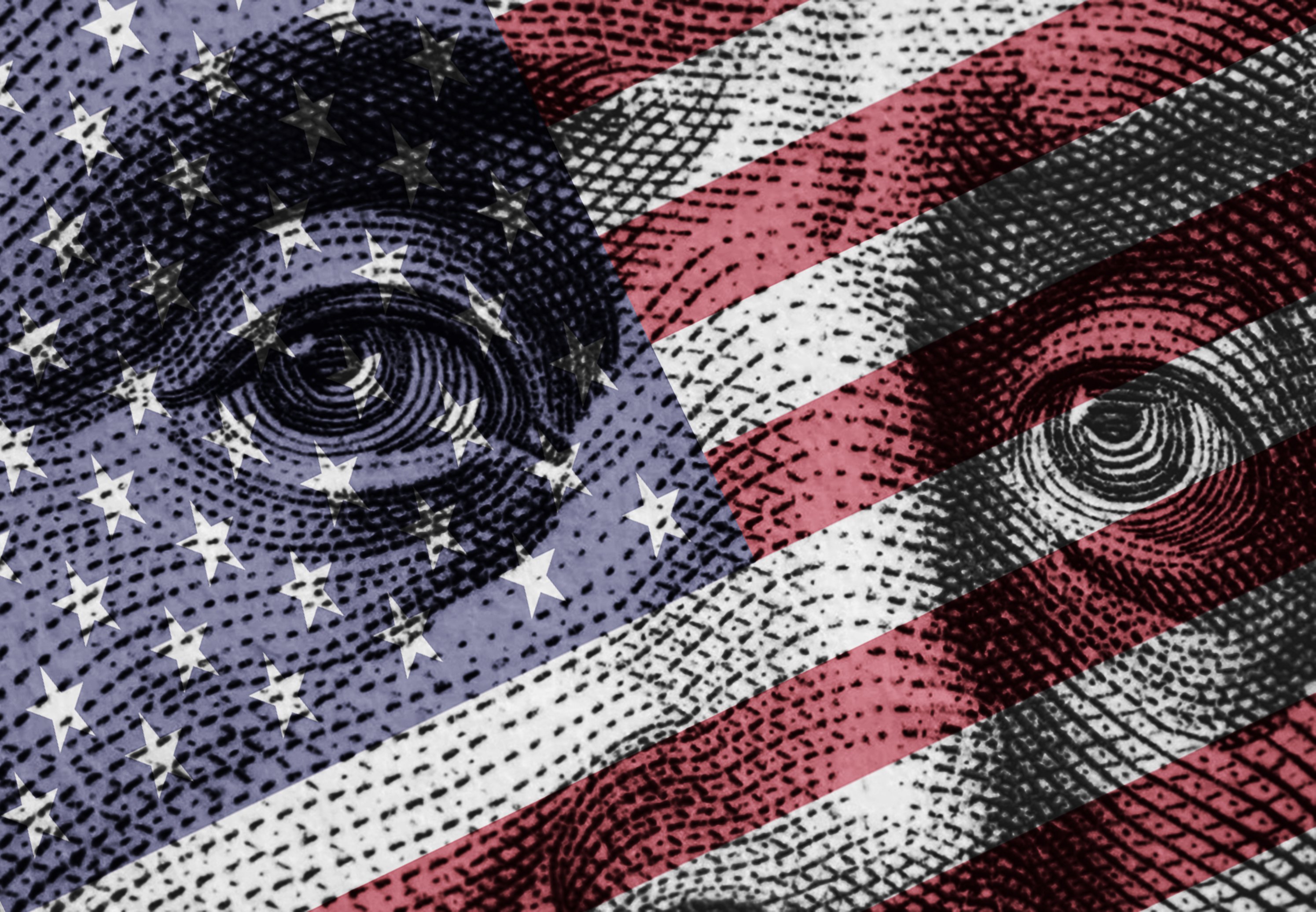
A century-old warning from Supreme Court Justice Louis Brandeis—that democracy cannot coexist with extreme wealth concentration—now echoes with renewed urgency. Current data reveals the United States grappling with the highest levels of economic inequality in thirty years, a condition that is actively corroding the pillars of democratic governance.
The Staggering Scale of Disparity
The wealth gap has reached staggering proportions. The top one percent of households now control nearly a third of the nation's total wealth, an amount roughly equivalent to the combined assets of the bottom ninety percent. Income growth over the past four decades tells a similar story: the richest 12,000 households saw their incomes increase 27 times faster than the poorest twenty percent. Racial disparities remain profound, with Black and Hispanic households, representing a third of the population, owning less than six percent of national wealth.

Executive compensation illustrates the trend in microcosm. The ratio of CEO-to-worker pay has ballooned from 31-to-1 in 1978 to 281-to-1 today. This concentration of earning power translates directly into economic influence, with the top ten percent of earners accounting for almost half of all consumer spending.
The Influence Engine: Money in Politics
The translation of economic power into political clout is explicit. In 2025 alone, approximately 13,000 lobbyists spent around $5 billion to sway federal policy, with major trade associations leading the charge. Corporate political contributions now outpace spending by labor unions by a factor of sixteen to one.
The 2010 Citizens United decision accelerated this dynamic by permitting unlimited independent political expenditures. The result has been a flood of so-called 'dark money' from undisclosed wealthy donors into elections, further obscuring the lines between wealth and political access.
Policy Consequences: Labor and Taxation
This investment has yielded substantial policy returns, particularly since the 1980s. Labor policy demonstrates the shift. The decline of unionization—from about a third of workers in the mid-20th century to just ten percent today—has been facilitated by right-to-work laws in 28 states and a marginalized National Labor Relations Board, suppressing wages and collective bargaining power.
Tax policy reveals a parallel story of preferential treatment. The top marginal income tax rate has fallen from 70% in 1979 to 37% today. Taxes on capital gains—income that flows predominantly to the wealthy—are capped at 20%, while the corporate rate was cut from 35% to 21%. Legislation like the Trump administration's signature tax bill delivered massive cuts to the top earners and corporations, often paired with reductions in social safety net programs. This has fueled debates, such as the ongoing fight in California over a billionaire wealth tax, that highlight the system's inequities.
Deregulation and the Future with AI
The regulatory landscape has also tilted. Recent administrations have rolled back controls on finance, technology, and environmental standards while easing antitrust enforcement and expanding resource extraction on public lands. Looking ahead, the rise of artificial intelligence threatens to exacerbate these disparities, potentially automating jobs and further concentrating capital. Some policy thinkers, like those at OpenAI, have proposed radical solutions such as public wealth funds funded by AI labor taxes to mitigate the coming disruption.
The cumulative effect is a self-reinforcing cycle: wealth begets political influence, which begets policies that further concentrate wealth. The societal outcome is a decline in the foundational American promise of mobility. Where 90% of children born in the 1940s out-earned their parents, the odds for the current generation are now 50-50, placing the U.S. 27th globally in social mobility.
Public sentiment reflects a clear understanding of this dynamic. Overwhelming majorities believe the system is rigged for the wealthy and large corporations, with nearly three-quarters supporting higher taxes on the rich. This disillusionment occurs alongside other signs of widespread economic strain affecting daily life. The warning of Justice Brandeis stands not as historical footnote, but as a direct diagnosis of a contemporary crisis: the viability of democracy itself is now intertwined with the nation's capacity to address its profound and growing economic divides.