OpenAI released a significant policy framework on Monday, outlining a series of ambitious recommendations for governing artificial intelligence as the technology approaches capabilities that could surpass human intelligence. The document argues that society must forge a revised social contract to prepare for profound economic, workforce, and societal changes.
A New Social Contract for the AI Age
The 13-page blueprint positions the coming era of superintelligence as a transition comparable to the Industrial Revolution, necessitating a proactive governmental response akin to the Progressive Era or New Deal. "In normal times, the case for letting markets work on their own is strong," the document states. "But industrial policy can play an important role when market forces alone aren't sufficient—when new technologies create opportunities and risks that existing institutions aren't equipped to manage."

Economic Redistribution and Labor Market Shifts
Central to OpenAI's proposals is the creation of a public wealth fund designed to give every citizen a financial stake in AI-driven economic growth, irrespective of their participation in traditional financial markets. The company warns that AI could significantly reduce the tax base that funds critical social programs like Social Security and Medicaid. To address this, it explicitly calls for new taxes "related to automated labor."
On labor, the blueprint suggests using AI's "efficiency dividends" to push for a four-day workweek without loss of pay, a move that would require collaboration between employers and unions. It also advocates for directing workers into human-centered sectors like healthcare, childcare, and community services, where AI may assist but not replace jobs. The document urges governments to build training pipelines and incentivize higher wages in these fields to absorb displaced workers.
Governance and Safety Imperatives
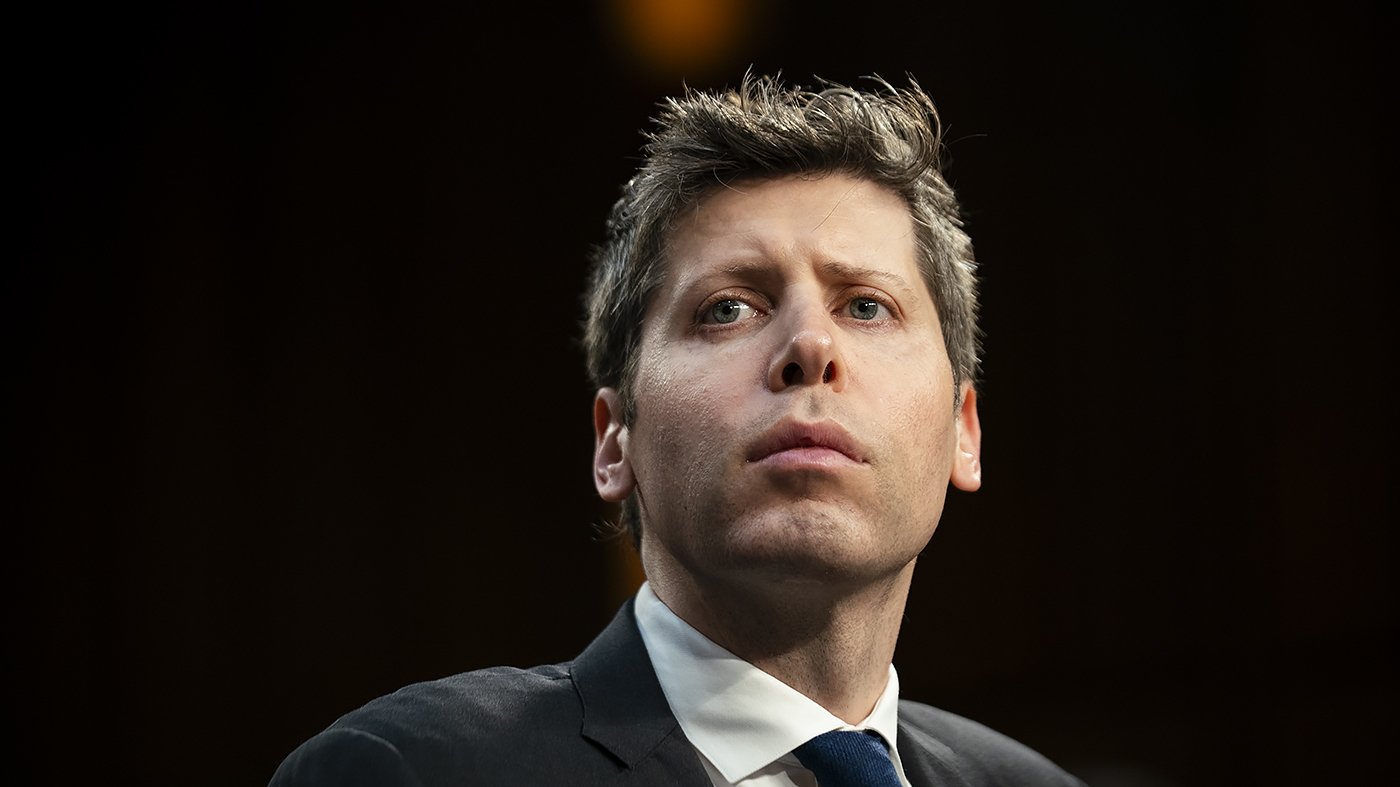
OpenAI CEO Sam Altman emphasized the need for broader public input in AI development, arguing the technology's trajectory should not be determined solely by "engineers or executives behind closed doors." The recommendations extend to national security and safety, including the development of playbooks to "contain dangerous AI systems" and the expansion of AI tools to detect cyber and biological threats. The call for guardrails on government use of AI echoes broader concerns about state-level digital espionage and influence operations.
The release appears timed to address mounting public anxiety. Recent polling indicates growing voter concern over AI-induced job losses, rising energy consumption, and applications in military operations. By proposing a framework that includes wealth redistribution and worker protections, OpenAI seeks to shape the political conversation around AI regulation before it is defined by fear. This move into policy advocacy marks a strategic shift for the company, situating it not just as a technology developer but as a key stakeholder in the ensuing political debate over how to manage a transformative force.
The proposals land amid intense scrutiny of the tech sector's power and influence. As AI capabilities accelerate, the policy vacuum is becoming a central political issue, with implications that intersect with broader debates about economic equity and the future of work. OpenAI's blueprint is likely to fuel discussions in Washington and other global capitals about whether market-driven innovation alone can be trusted to manage a technology its creators compare to a new industrial age.