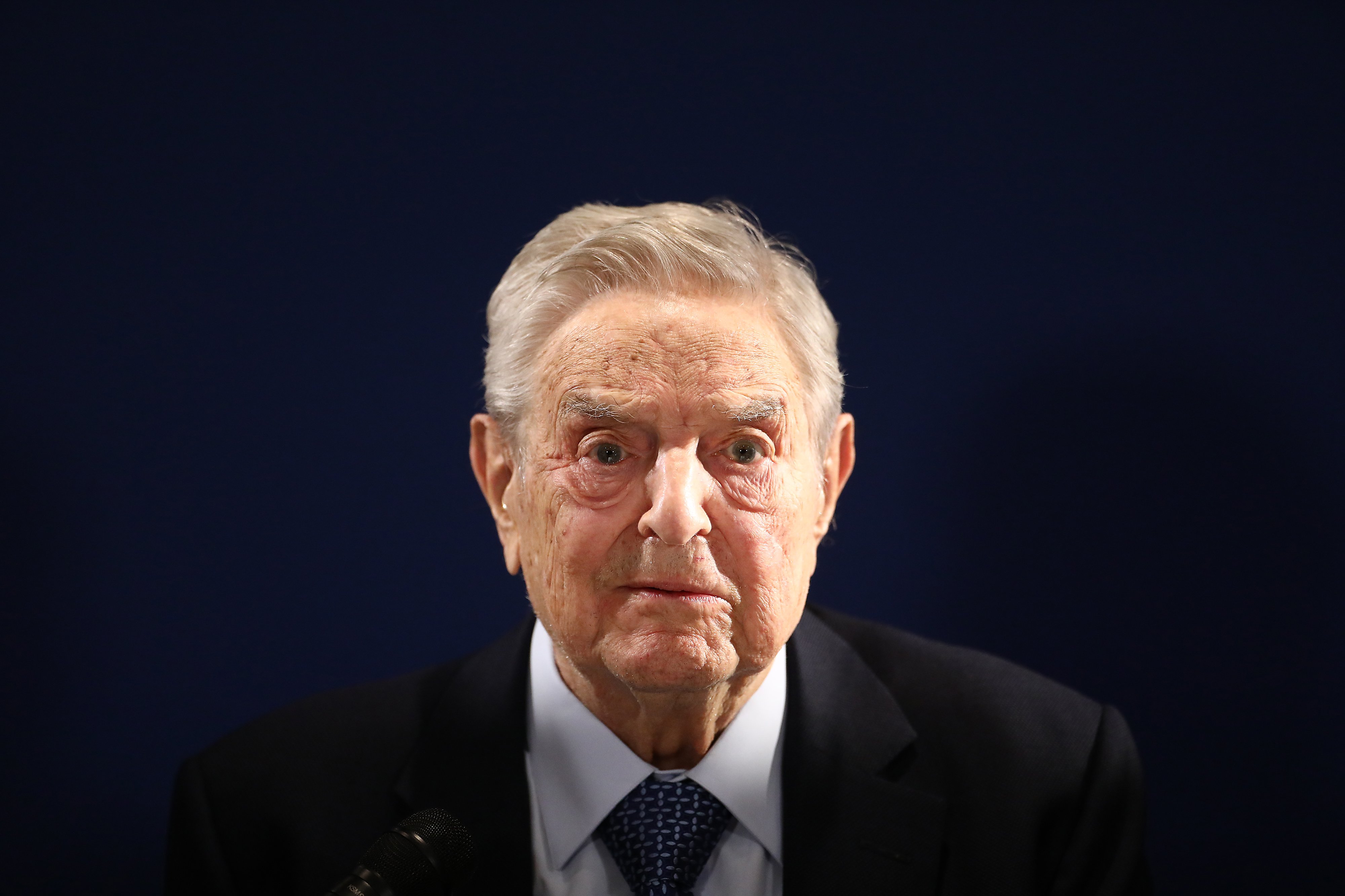
A significant shift is underway in American political financing, with Democratic-aligned organizations embracing sophisticated "dark money" networks that leverage wealthy donors and corporate interests. This strategic adaptation comes as conservative media continues focusing criticism on figures like George Soros while largely overlooking what analysts describe as a comparative lack of engagement from Republican-aligned wealthy individuals.
The Progressive Financial Ecosystem
Recent reporting reveals how Democratic operatives have constructed elaborate funding channels that move hundreds of millions of dollars through nonprofit organizations and super PACs. These networks, documented through campaign finance records and internal documents, allow wealthy individuals and corporations to support progressive causes and candidates while maintaining varying degrees of anonymity. The strategy represents a notable evolution in Democratic fundraising approaches, which have traditionally emphasized small-dollar donations and transparency rhetoric.
One prominent example includes Leading the Future, an umbrella organization coordinating a $125 million super PAC network funded by the artificial intelligence industry. The group is actively supporting five House Democrats as it seeks to influence legislative debates around AI regulation and development. This move suggests the technology sector, despite some high-profile conservative alignments, continues to predominantly support Democratic candidates and policy objectives.
The Conservative Funding Disparity
Political observers note a striking contrast between the mobilization of wealthy liberal donors and what they characterize as relative passivity among conservative counterparts. While conservative media frequently highlights Democratic fundraising from figures like Soros, there appears to be less parallel organizing among Republican-aligned billionaires and multimillionaires. This disparity has sparked internal debates about resource allocation and political engagement strategies within conservative circles.
The situation echoes historical patterns noted during the American Revolution, when many wealthy colonists chose to side with British authorities or remain neutral rather than risk their privileged positions. Some commentators draw direct parallels to contemporary politics, suggesting that today's conservative wealthy individuals similarly avoid the political "arena" while criticizing opponents from the sidelines. This dynamic raises questions about resource distribution in what many expect to be the most expensive election cycle in American history.
Structural Advantages and Narrative Control
Beyond direct campaign contributions, analysts point to Democratic advantages in what some describe as the "five major megaphones" of American society: media, academia, entertainment, scientific institutions, and medical establishments. These sectors significantly influence national narratives and policy debates, creating an environment where conservative voices often struggle for equivalent reach despite substantial available resources.
The financial mobilization comes amid broader discussions about political strategy and media access. Recent developments in how government agencies communicate with the public, such as reported changes to Pentagon media engagement protocols, reflect evolving approaches to narrative control. Simultaneously, legal challenges to media consolidation, including the Justice Department's antitrust investigation into NFL broadcasting agreements, highlight ongoing debates about information ecosystems.
Historical Parallels and Contemporary Questions
As the United States approaches its 250th anniversary, the debate over wealthy political engagement evokes Founding Era tensions. Historical analysis suggests many affluent colonists avoided supporting independence movements, preferring stability under British rule to revolutionary uncertainty. Contemporary commentators ask whether today's conservative wealthy individuals face similar calculations as they observe political developments from what critics call a position of privileged detachment.
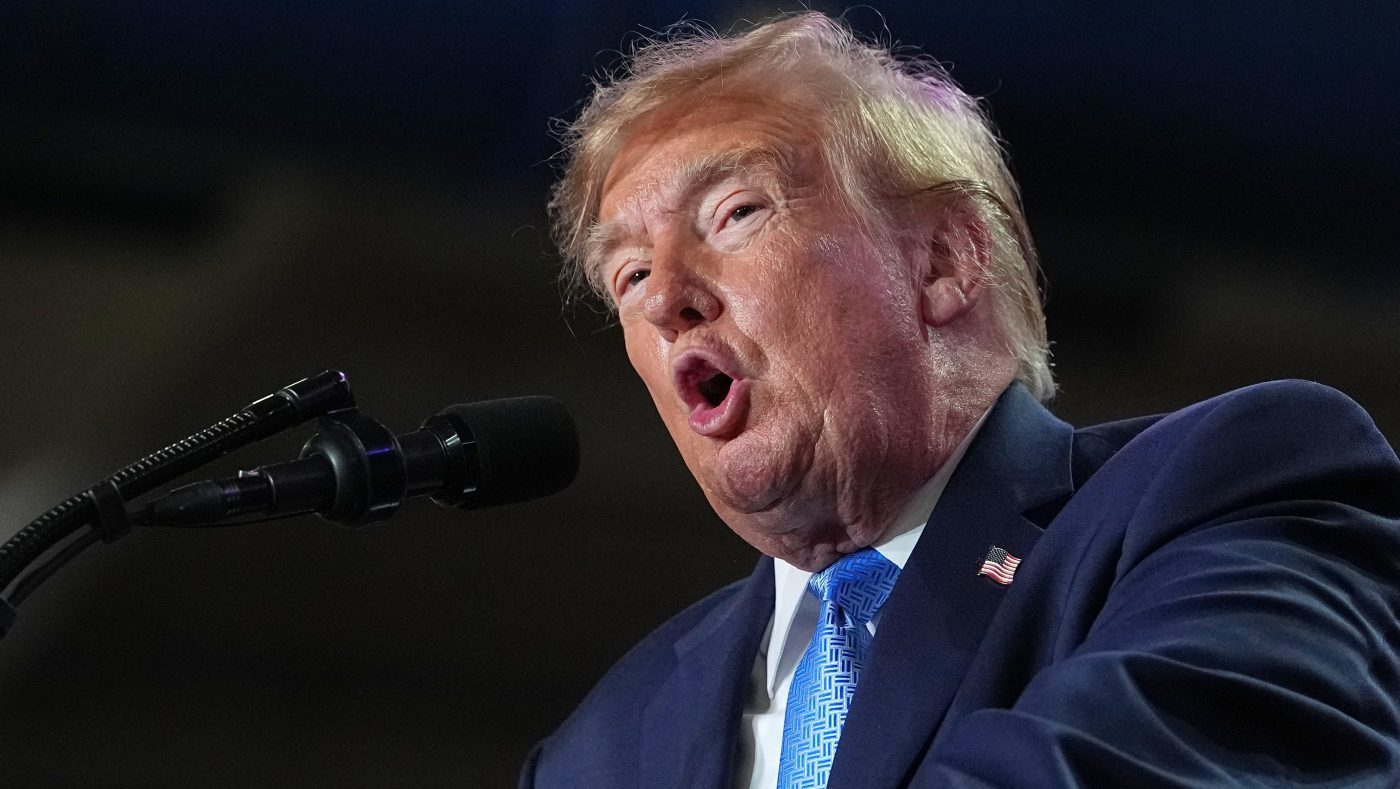
The mobilization of Democratic dark money networks coincides with other significant political developments, including former President Trump's criticism of Supreme Court decisions and ongoing debates about executive authority. These interconnected developments suggest a political landscape where financial resources, media strategy, and institutional influence increasingly intersect in complex ways that may reshape American democracy in its sestercentennial year.