Senior Democratic officials are confronting mounting pressure from their party's left flank to initiate proceedings aimed at removing President Trump from office, creating a strategic dilemma as they attempt to maintain party unity ahead of critical midterm elections. The escalating demands follow a series of inflammatory statements from Trump regarding military action against Iran, which many Democrats have characterized as threatening war crimes.
The Progressive Push for Removal
A growing coalition of congressional Democrats argues that Trump's recent threats against Iranian civilian infrastructure represent a dangerous escalation that necessitates extraordinary measures. Representative Linda Sánchez of California, a former member of the Democratic leadership, articulated this position publicly, stating, "When somebody threatens a genocide and has the nuclear codes, there is a problem." She added that targeting civilian infrastructure constitutes a war crime under international conventions.

This sentiment has gained traction particularly among progressive members who advocate for either impeachment proceedings or invocation of the 25th Amendment, which would require Trump's own cabinet to declare him unfit for office. Representative Jamie Raskin of Maryland, a constitutional scholar, has emerged as a leading voice for the 25th Amendment approach, arguing it represents the most viable constitutional mechanism for immediate action.
Leadership's Calculated Response
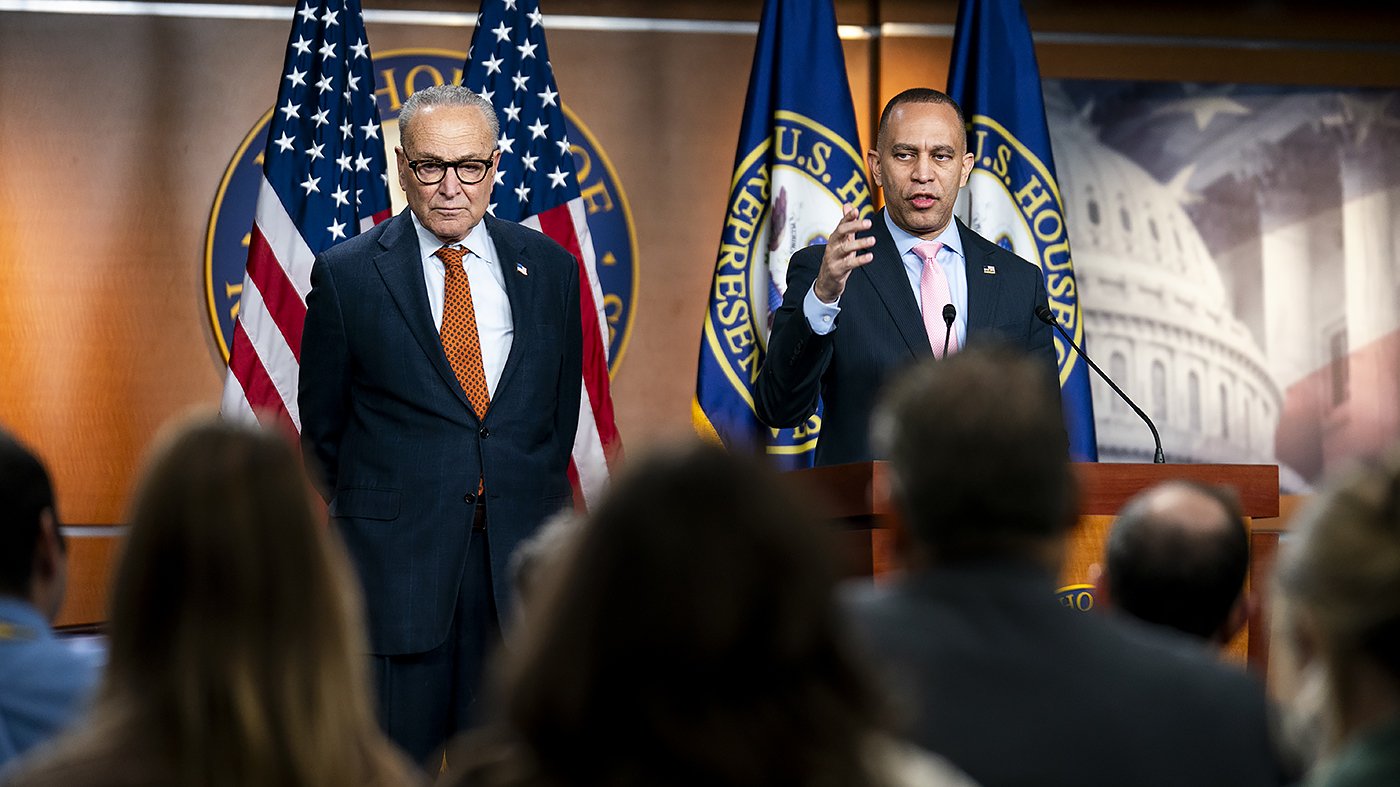
House Minority Leader Hakeem Jeffries and Senate Minority Leader Chuck Schumer have responded with deliberate caution, condemning Trump's rhetoric while avoiding explicit endorsement of removal efforts. Jeffries described Trump's Iran posture in severe terms but maintained that Democratic leadership has "ruled nothing out and ruled nothing in" regarding impeachment. This careful positioning reflects the political reality that Democrats lack the votes to successfully remove Trump and risk alienating moderate voters.
Instead of pursuing removal directly, Democratic leadership has focused on legislative measures designed to check presidential war powers. Both chambers have repeatedly forced votes on resolutions requiring congressional authorization for military operations in Iran, though these efforts have been defeated by unified Republican opposition. The most recent such measure failed in the House on Thursday.
The Internal Divide
The removal push exposes significant divisions within Democratic ranks. Moderate members, particularly those facing competitive reelection battles, warn that aggressive efforts to oust Trump would backfire politically. Representative Henry Cuellar, a Texas Democrat from a conservative-leaning district, voiced this concern bluntly: "We already tried it; it didn't work. You're not going to get the votes in the Senate. And all it does—it just energizes the Republican voters to come out."
These moderates argue that Democrats should maintain focus on economic issues where they believe Republicans are vulnerable, particularly rising consumer costs and healthcare coverage erosion. They note that Trump survived two impeachment trials during his first term and subsequently won the largest popular vote in American history, suggesting removal efforts might strengthen his political position rather than weaken it.
Managing Progressive Expectations
To address progressive demands without committing to full-scale removal proceedings, Jeffries organized a virtual caucus meeting led by Representative Raskin to discuss "different accountability mechanisms" available to Congress. The session examined the constitutional options while acknowledging their political limitations. This approach allows progressive members to formally air their concerns while leadership maintains control over the party's strategic direction.
The current controversy follows Trump's declaration that military victory against Iran is complete and his dismissal of diplomatic alternatives. Meanwhile, international reaction continues to build, with former Secretary of State John Kerry condemning the president's rhetoric as potentially establishing grounds for war crimes charges.
As the situation develops, Democratic leadership continues walking a political tightrope—attempting to demonstrate forceful opposition to Trump's foreign policy while avoiding actions that might undermine their electoral prospects or unite Republican voters. The outcome of this balancing act could significantly influence both the immediate congressional response to the Iran crisis and the broader political landscape heading into November's elections.