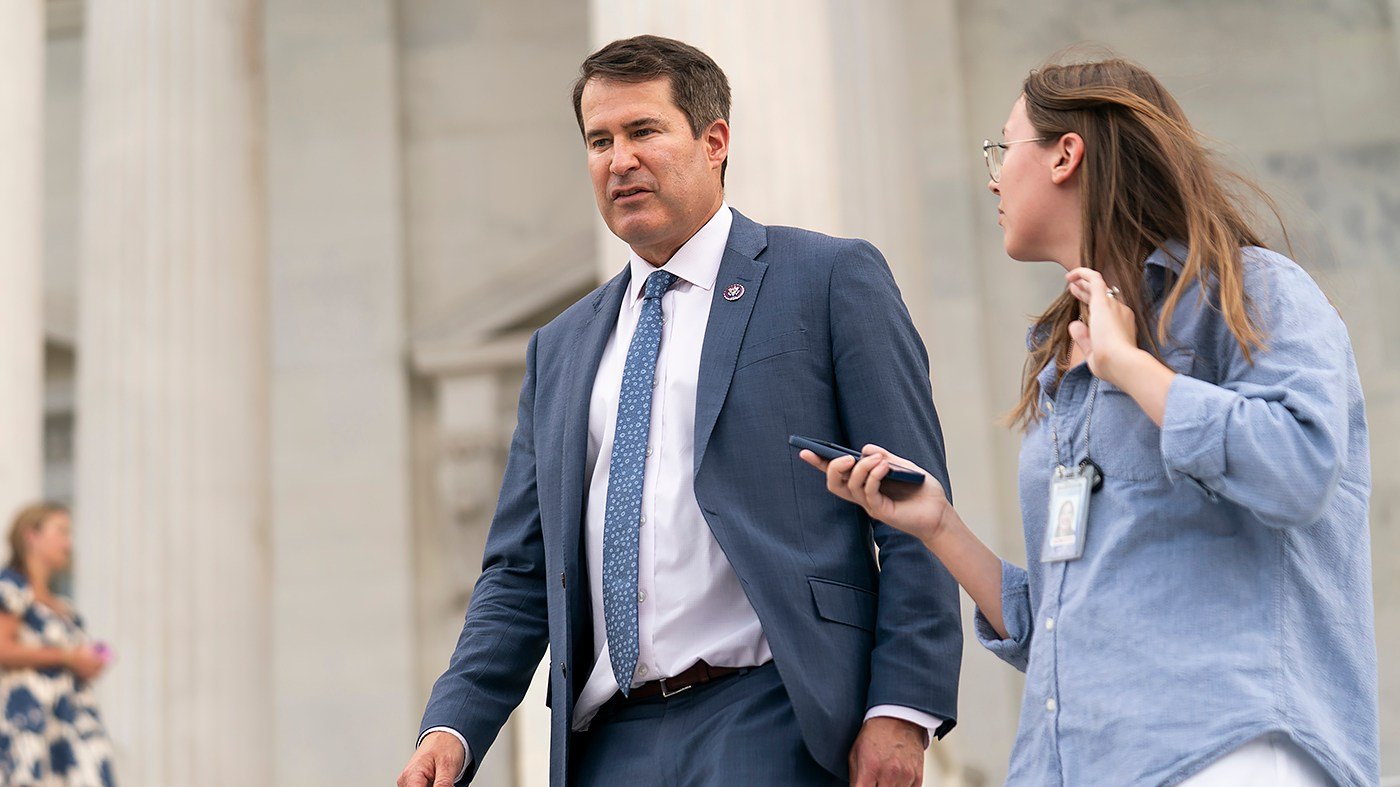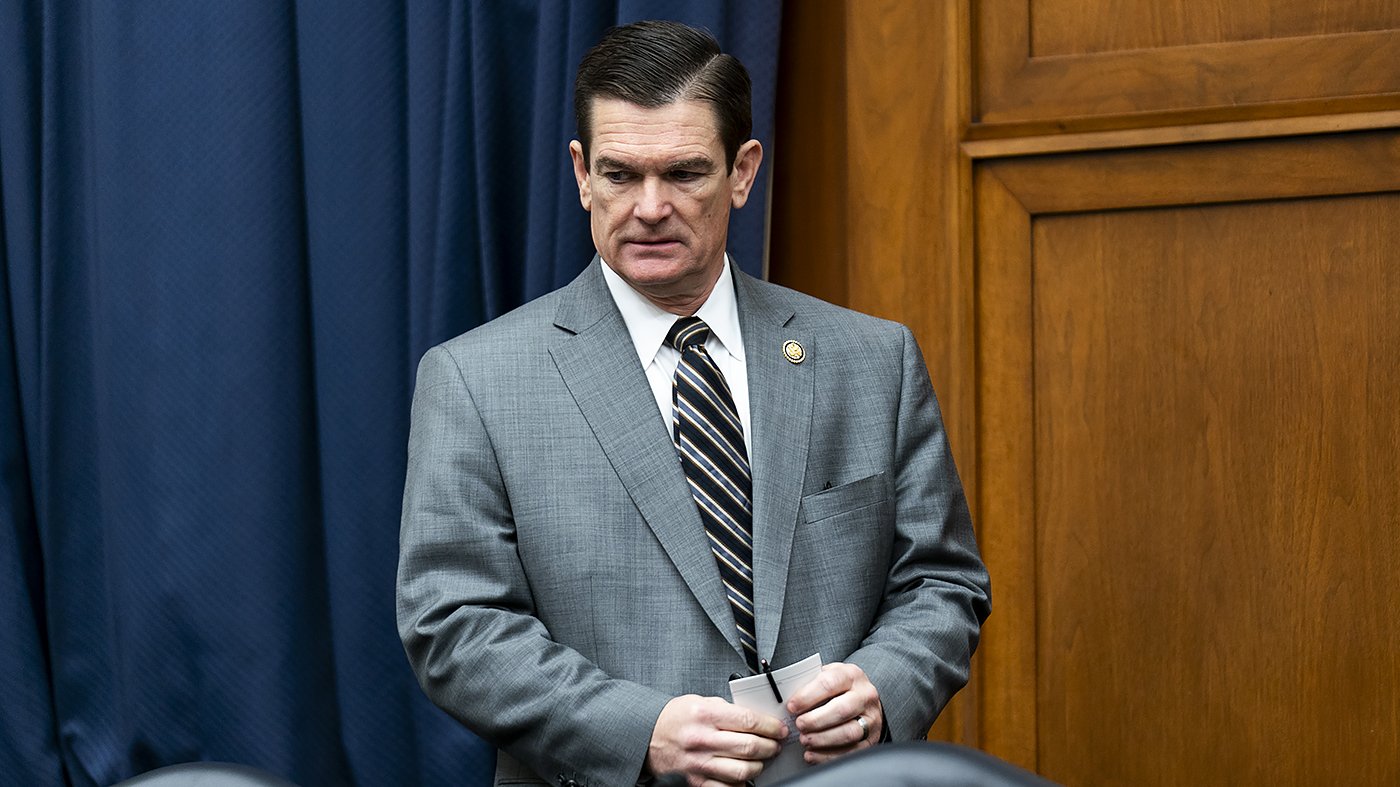
During a House Armed Services subcommittee hearing on military readiness, Georgia Republican Representative Austin Scott issued a stark warning about the consequences of Defense Secretary Pete Hegseth's recent decision to remove General Randy George from his post as Army Chief of Staff. Scott argued that the manner of George's dismissal would have a "chilling effect" on the functioning of the armed services.
Questioning the Removal
Scott, who described the four-decade Army veteran as "well respected" and "well liked," pressed the acting Army chief, General Christopher C. LaNeve, for an explanation. LaNeve, who served as Hegseth's senior military assistant last year, deferred, stating the question was "for Secretary Hegseth" and that he had only been in the vice chief role for a couple of months. The Pentagon, when contacted, referred to a statement from chief spokesperson Sean Parnell confirming George's retirement and thanking him for his service, offering no rationale for the change in leadership.
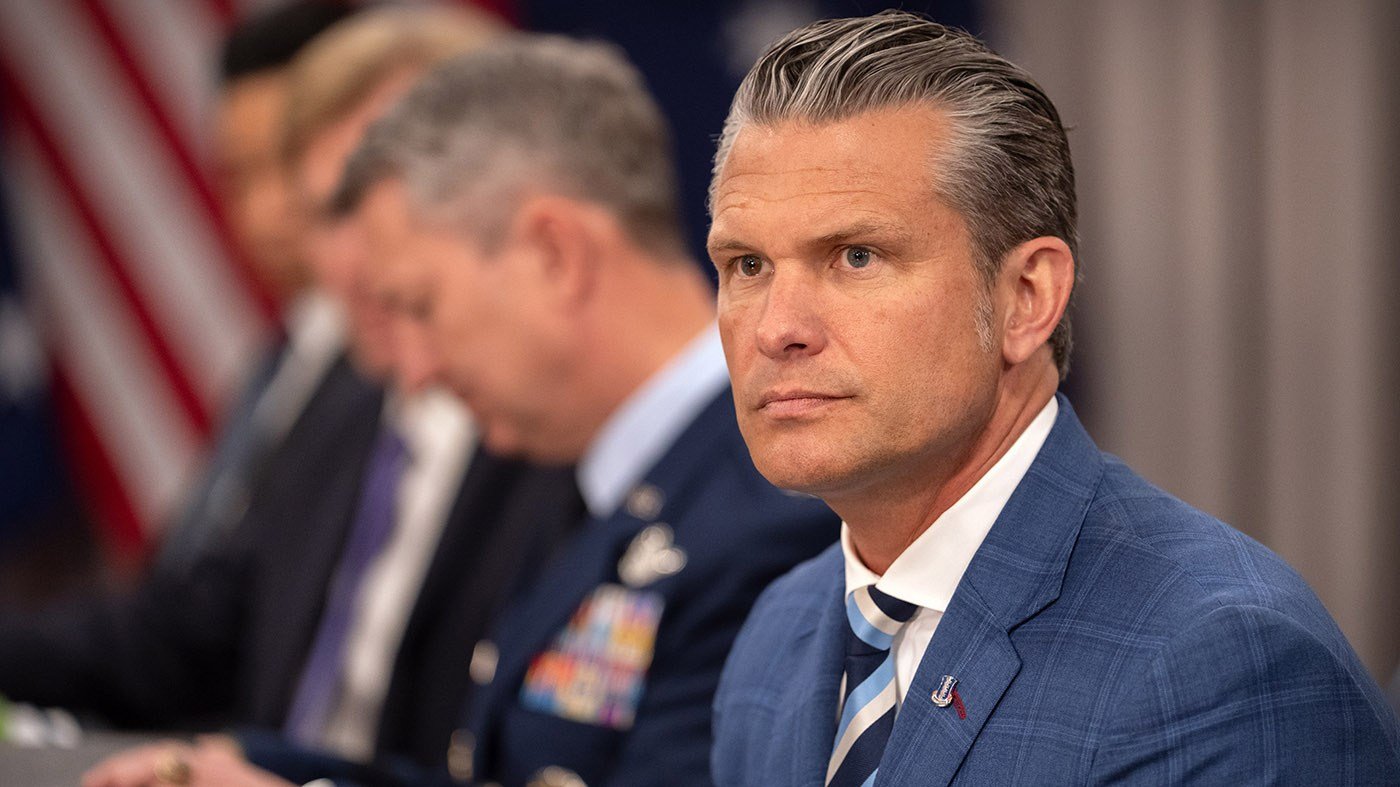
"I would like for Secretary Hegseth to answer the reason why they were dismissed," Scott stated. "And I think that the way General George and his wife Patty were treated will have a chilling effect on the way our services operate in the future." The removal occurred as the U.S. was conducting strikes on military targets inside Iran, adding a layer of geopolitical tension to the personnel decision. This is not the first time Scott has publicly broken with his party's leadership, having previously rebuked former President Trump's rhetoric on Iran.
Broader Concerns Over Promotions
The Georgia lawmaker expanded his critique, asking LaNeve whether Hegseth had removed four senior Army officers—two Black men and two women—from a promotion list for one-star generals. LaNeve responded that the list was "still moving forward" but he was unsure if specific names had been separated from it. Scott emphasized the military as a "team sport" involving both the officer and their spouse, reiterating his view that the Georges were "very unfairly treated" and that Hegseth should be transparent about the promotion list alterations.
Democratic members of the committee echoed and amplified these concerns. Representative Marilyn Strickland of Washington praised George and his wife for their service and argued that officers should not be removed from vetted promotion lists. "We look forward to hearing an explanation from Secretary Hegseth when he meets with the full House Armed Services Committee on April 29," Strickland said. Representative Sarah Elfreth of Maryland called George "incredibly forthright and solutions-oriented" and stated that "Congress and the American people deserve an explanation as to how he was treated."
Context and Implications
The episode highlights growing scrutiny of political influence within military personnel decisions. The swift removal of a respected senior officer, coupled with questions about promotion list interventions, raises issues about military morale and the perceived independence of the armed forces from political maneuvering. These internal tensions emerge against a backdrop of complex international challenges, including rising military tensions that require careful diplomatic and strategic management.
The bipartisan demand for answers from Secretary Hegseth suggests the controversy is unlikely to subside. It reflects a broader pattern of intra-party friction on defense matters, similar to recent GOP fractures over investigative priorities. The Pentagon's official stance remains one of gratitude for George's service, but the lack of a detailed public justification continues to fuel congressional inquiry and concern about the precedent being set for future military leadership transitions.