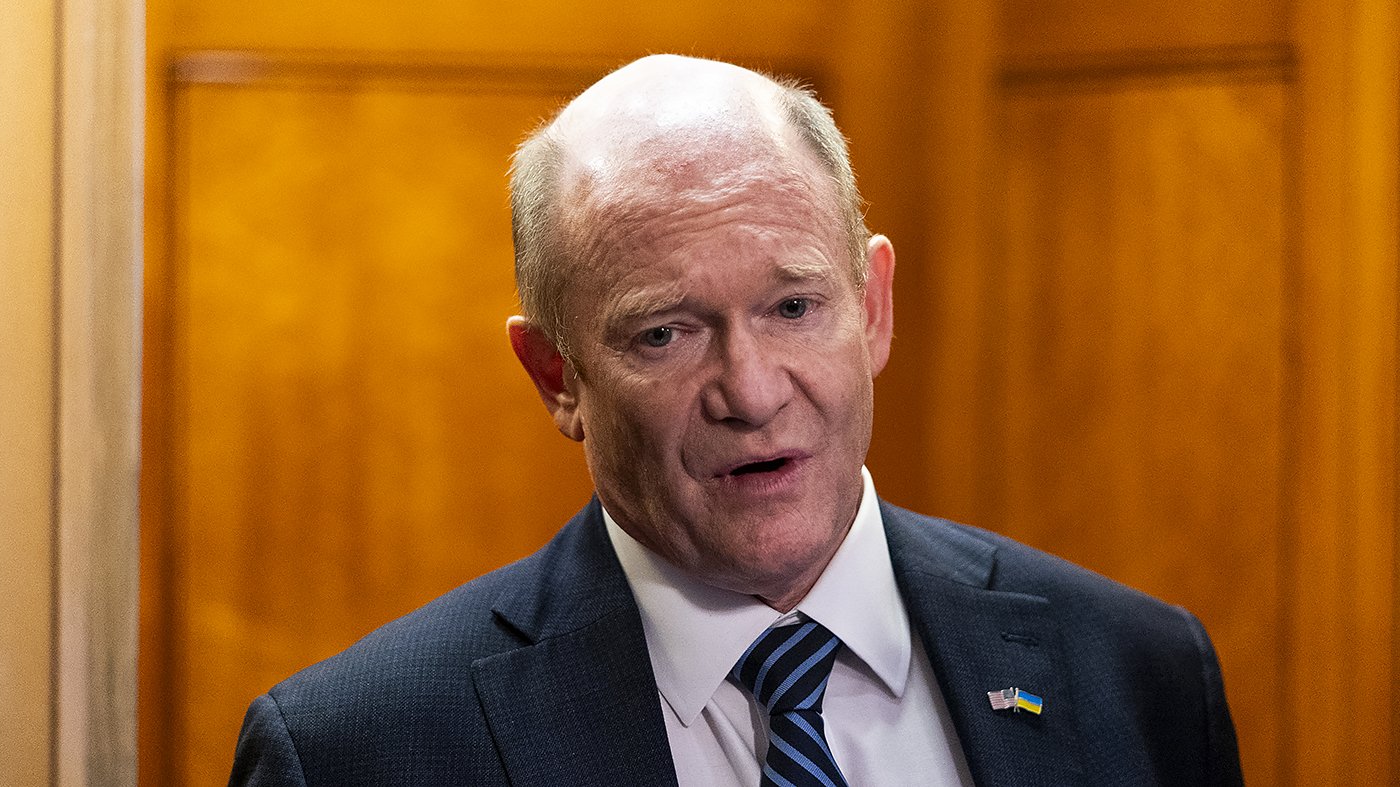
Sen. Chris Coons (D-Del.) declared Sunday that Iran has emerged more powerful than it was before the United States launched military operations against the country three months ago, warning that Tehran's drone capabilities have shifted the strategic balance in the region.
"Frankly, Iran is stronger than they were 90 days ago, before this war, because they've used their cheap and lethal drones, not just to close the Strait of Hormuz, but to attack our partners and allies in the region, harming oil and gas infrastructure, hitting our embassies and bases," Coons told host Shannon Bream on "Fox News Sunday."
The Delaware Democrat added, "And we need a stronger, better answer to Iran's ability to close the Strait of Hormuz at will." His remarks come as the US and Iran are reportedly nearing a tentative agreement to extend a temporary ceasefire by 60 days, reopen the key waterway, and begin broader negotiations on Iran's nuclear program. However, officials from both sides have stressed that the exact terms are still being hammered out and the deal has yet to be approved.
The conflict, which passed the three-month mark last week, has sent gas and oil prices soaring. According to AAA, the average price for a regular gallon of gas in the US stood at about $4.34 on Sunday afternoon, up sharply from about $3.15 a year ago. The closure of the Strait of Hormuz, a critical chokepoint for global oil shipments, has been a major driver of the spike.
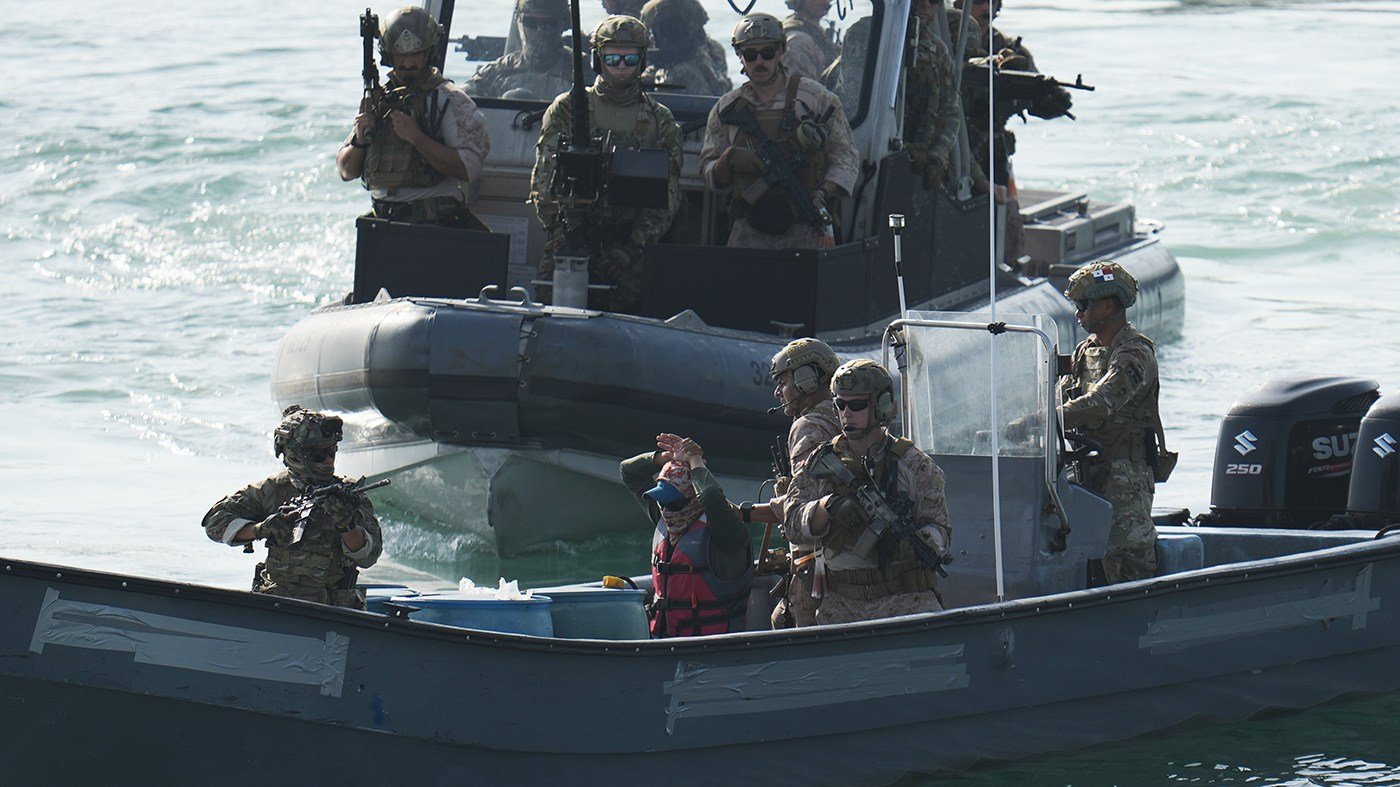
On Saturday, US Central Command (Centcom) announced it had intercepted another vessel attempting to dock at an Iranian port as part of the US naval blockade of the strait. Centcom said in a social media statement that US forces "disabled" a ship flying a Gambian flag after it ignored multiple warnings. "CENTCOM forces observed M/V Lian Star transiting international waters toward an Iranian port on the Gulf of Oman and issued more than 20 warnings while informing the vessel it was in violation of the US blockade," the statement said.
Coons's assessment underscores growing concerns among some lawmakers that the military campaign has not achieved its stated goals and may have inadvertently strengthened Iran's hand. The senator's comments also highlight internal Democratic debates over the administration's strategy, as the party faces pressure to address both the conflict's costs and its broader geopolitical fallout. Meanwhile, the tentative ceasefire talks offer a potential off-ramp, but with Iran's drone arsenal now battle-tested, any final agreement will likely face intense scrutiny from both parties.