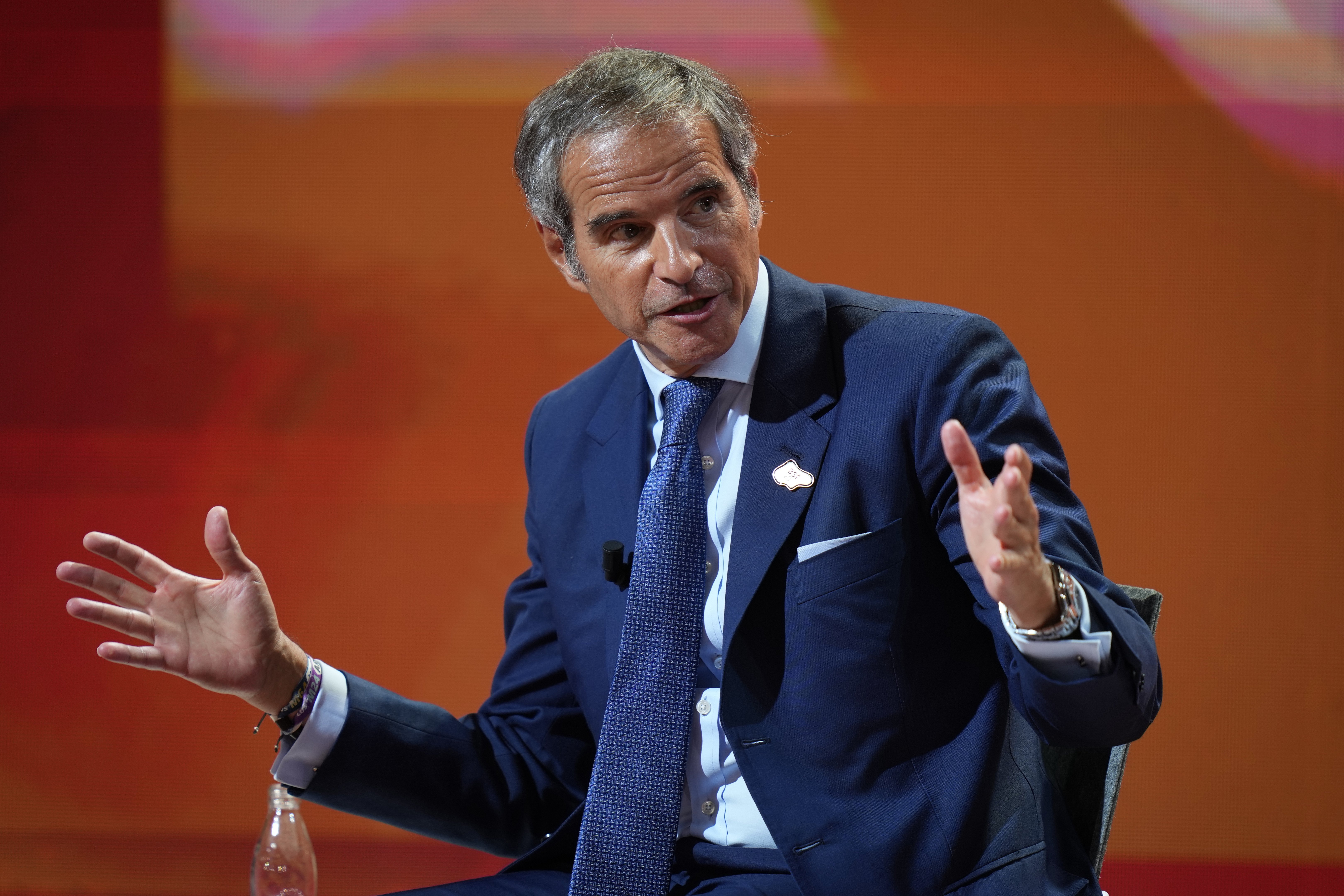
The director general of the International Atomic Energy Agency issued a stark warning Wednesday, stating that any new nuclear agreement with Iran would be an "illusion" unless it contains explicit, detailed mechanisms for international verification. Rafael Grossi emphasized that Tehran's "ambitious, wide nuclear program" necessitates the continuous presence of IAEA inspectors to monitor its development.
"Otherwise, you will not have an agreement. You will have an illusion of an agreement," Grossi told reporters in Seoul, according to the Associated Press. His comments come as the United States and Iran prepare for a potential new round of talks, with former President Donald Trump suggesting negotiations could resume within days.
Verification Breakdown and Escalating Tensions
The agency's ability to monitor Iran's nuclear activities has deteriorated significantly. Iran halted cooperation with IAEA inspections in June of last year. Surveillance cameras at multiple nuclear sites were reportedly turned off in May 2025, and Grossi's last physical visit to key facilities like the Natanz and Fordow enrichment plants was in November 2024.
Grossi's primary concern remains Iran's enrichment of uranium to 90% purity—the level required for nuclear weapons. He has urged the Trump administration to ensure any forthcoming talks guarantee the IAEA access through "very detailed verification mechanisms." This diplomatic push occurs amid heightened military tensions, including a U.S. naval blockade in the Strait of Hormuz that risks disrupting global energy markets.
Diplomatic Stalemate and Conflicting Claims
Negotiations, expected to resume in Islamabad after a recent rupture, are at an impasse. The U.S. has reportedly proposed a 20-year halt to Iran's nuclear program. Tehran, however, maintains its right to enrich uranium for peaceful energy purposes and has accused Washington of violating previous ceasefire terms. Iranian leaders have stated they are prepared to walk away from the table.
The security situation is further complicated by reports that Iran may have moved enriched uranium to underground facilities following strikes on its nuclear sites last June. A confidential IAEA report cited by the AP indicates the agency cannot confirm whether Iran suspended its enrichment program after those attacks. This aligns with broader shifts in international legal frameworks concerning preemptive action against nuclear threats.
Historical Context and Current Challenges
The current crisis stems from the 2018 U.S. withdrawal from the Joint Comprehensive Plan of Action (JCPOA), the Obama-era nuclear deal. Since then, Iran has advanced its program and, according to U.S. intelligence reported by The Wall Street Journal, has stored defensive missiles and other weapons in hardened underground sites.
The path to a sustainable agreement appears fraught. Grossi's warning underscores that without restoring the IAEA's full monitoring capabilities—including cameras, seals, and physical inspections—any diplomatic breakthrough would lack the foundation for enforcement. As global powers navigate this crisis, the stability of a critical region and the integrity of the non-proliferation regime hang in the balance.