Army Leadership to Justify Massive Budget Request to Congress
Army Secretary Dan Driscoll is set to appear before the House Appropriations Committee on Thursday to defend the Trump administration's proposed fiscal 2027 defense budget, a sweeping $1.5 trillion request for the Pentagon. The hearing represents a critical step in the congressional appropriations process, where lawmakers will scrutinize the military's funding priorities and spending plans.
Internal Tensions Add Context to Capitol Hill Appearance
Driscoll's testimony comes amid reported friction between the Army Secretary and Defense Secretary Pete Hegseth. While the exact nature of the disagreements remains unclear, such internal dynamics within the Pentagon's senior leadership often influence budget negotiations and policy implementation. Despite this pressure, Driscoll has publicly stated he has no intention of resigning from his post, signaling his commitment to steering the Army through the upcoming budget cycle.
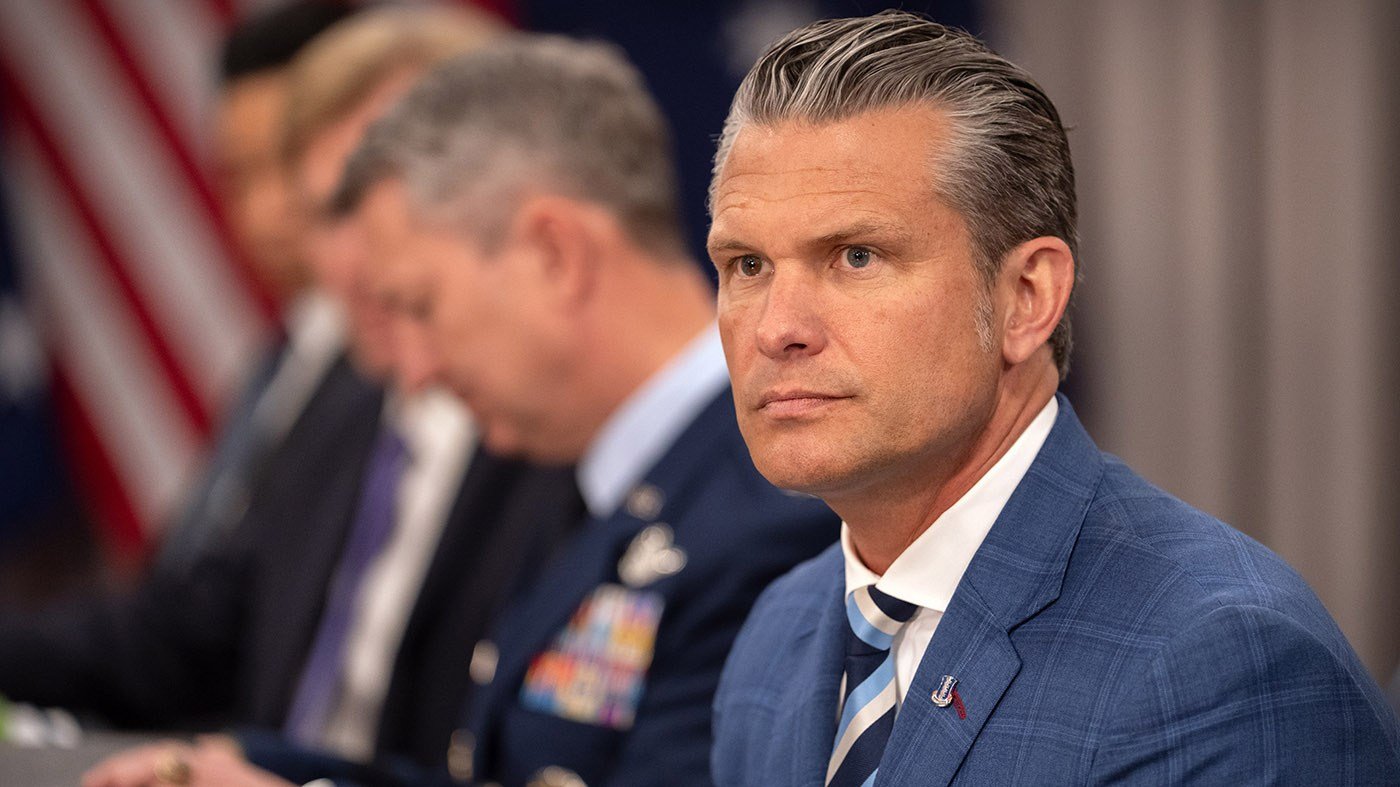
The hearing is not occurring in isolation. It follows a series of intense congressional sessions where administration officials have defended the 2027 budget's contours. For instance, Budget Director Russ Vought recently faced sharp Democratic questioning over the proposal's significant shift toward defense spending coupled with substantial domestic cuts. Similarly, Defense Secretary Hegseth himself has been on Capitol Hill advocating for the massive funding increase, framing it as essential for national security.
Scope of the Hearing and Key Participants
Scheduled to begin at 10 a.m. Eastern Time, the session will feature testimony from both Driscoll and Vice Chief of the Army General Christopher LaNeve. Their dual appearance allows the committee to hear from both the service's civilian leader and its top uniformed officer on operational needs, modernization efforts, and how the requested funds would be allocated across the Army's vast portfolio.
The $1.5 trillion Pentagon request is a cornerstone of President Trump's final budget proposal, representing a significant investment in military readiness, next-generation technologies, and strategic competition. Lawmakers are expected to probe the specifics of the Army's share, questioning everything from personnel costs and family housing to procurement of new weapons systems and research into artificial intelligence and cyber capabilities.
This defense-focused hearing is part of a broader wave of budget oversight gripping Congress. Other cabinet secretaries are undergoing similar scrutiny, such as when Department of Homeland Security officials faced a contentious hearing over immigration funding and border security allocations within the same budget framework.
Political and Strategic Stakes
The testimony carries high political stakes. With control of the White House and Congress up for election later this year, the 2027 budget proposal is as much a political document as a governing one, outlining the administration's defense vision. Driscoll will need to articulate how the funds translate into tangible military advantage, all while navigating questions about the Army's role in global hotspots and its preparedness for future conflicts.
Furthermore, Driscoll's recent decisions on internal Army matters may also surface during questioning. The Secretary has previously taken decisive action on institutional issues, such as when he ordered a unit's social media accounts closed following a controversial post, demonstrating his hands-on approach to service discipline and public perception.
Ultimately, the hearing will serve as a key public forum for assessing the administration's defense priorities and the Army's roadmap. The questions posed by appropriators will reveal congressional concerns about cost, strategy, and the overall direction of the nation's largest military service as it prepares for an uncertain fiscal and geopolitical future.