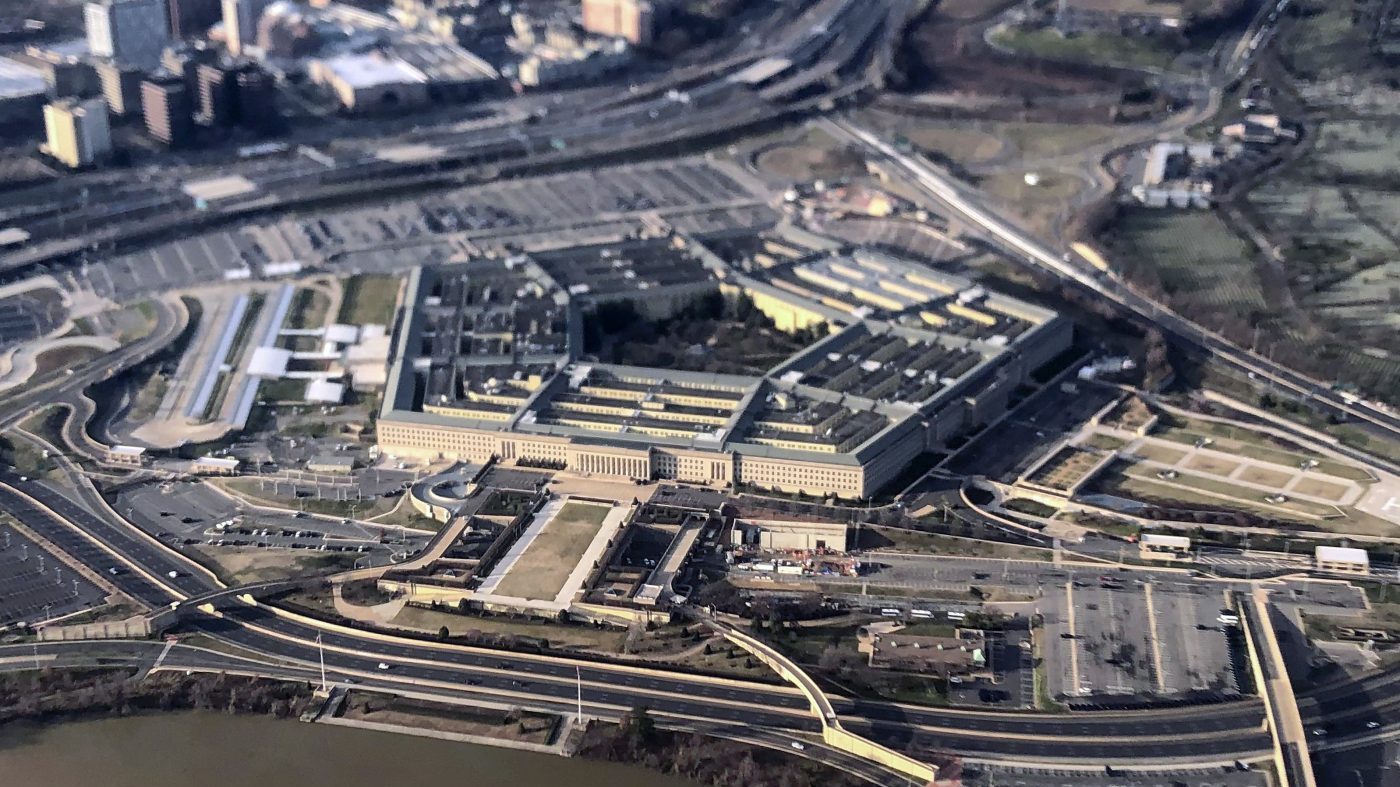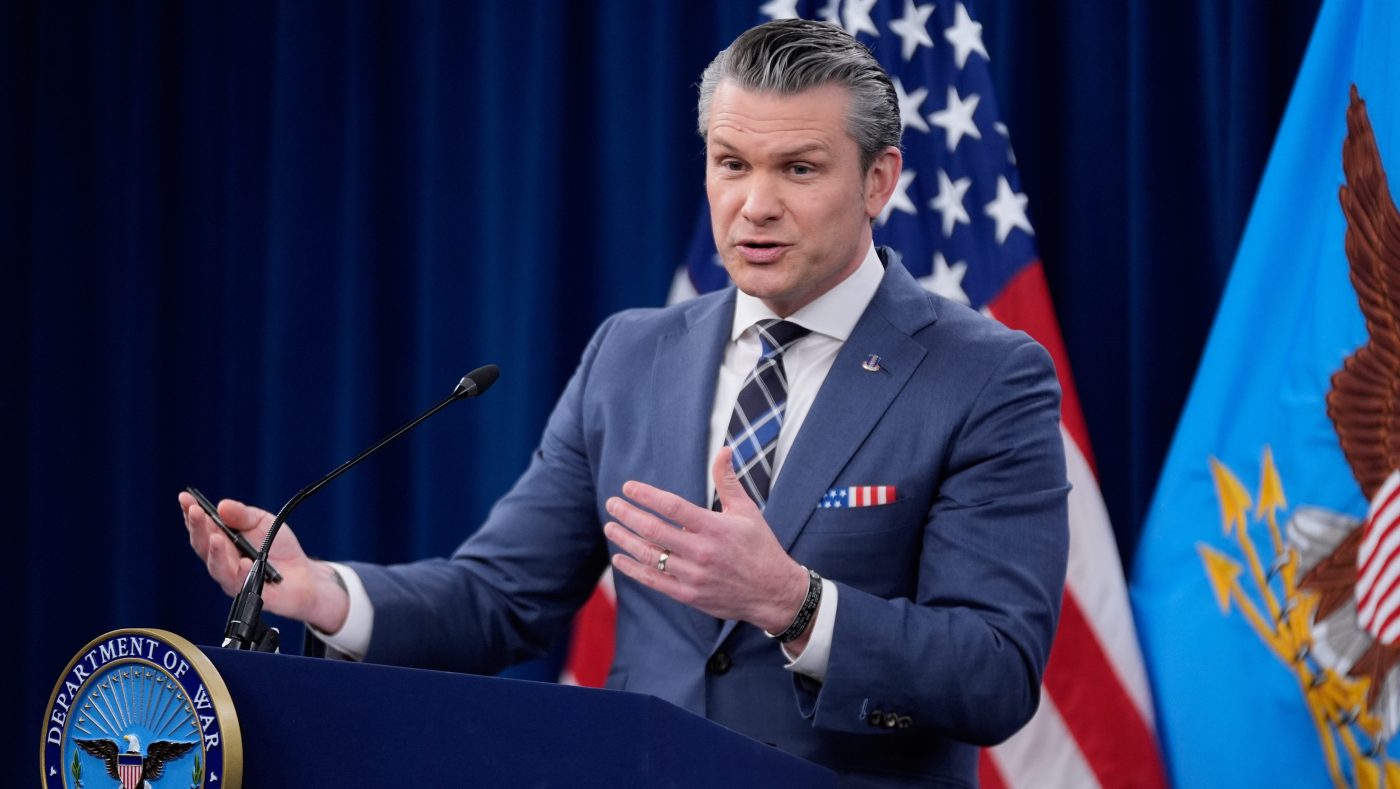
Defense Secretary Pete Hegseth is scheduled for critical negotiations on Capitol Hill next week, facing congressional leaders to justify the Pentagon's unprecedented $1.5 trillion budget request for fiscal year 2027. The meetings represent a pivotal moment for the administration's defense priorities, which face significant political and fiscal hurdles.
Negotiating with the "Big Eight"
Hegseth's primary session on Monday will be with the so-called "big eight"—the top Republican and Democratic leaders from both the House and Senate Armed Services and Defense Appropriations committees. This comes after preliminary discussions, including a meeting two weeks ago with House Armed Services Committee Ranking Member Adam Smith (D-Wash.) and Chair Mike Rogers (R-Ala.), and a separate briefing last week with Senate Defense Appropriations leaders Mitch McConnell (R-Ky.) and Chris Coons (D-Del.) at the Pentagon.

The colossal $1.5 trillion figure, championed by President Trump as necessary to build a "Dream Military," has been met with immediate and forceful resistance from Democratic lawmakers. They argue the proposal is fiscally irresponsible and lacks strategic clarity. "It's way too bloated," Smith told reporters. "With all the tax cuts connected to it, it's a fiscal catastrophe, and we don't have any clear details of where that money is going to go."
A Daunting Fiscal Reality
Opponents of the budget highlight the nation's strained financial position as a primary obstacle. Smith emphasized the context of nearly $40 trillion in national debt and annual trillion-dollar deficits, stating a 50 to 60 percent increase in defense spending is "just not realistic in this fiscal environment." The administration's proposal seeks to navigate this political divide through a two-track funding strategy.
To bypass Democratic opposition, the White House plans to push approximately $350 billion through the budget reconciliation process, which requires only a simple majority in the Senate. The remaining $1.15 trillion would be allocated through the traditional base defense budget within the annual National Defense Authorization Act (NDAA). This mirrors the tactic used last year to pass a major defense package.
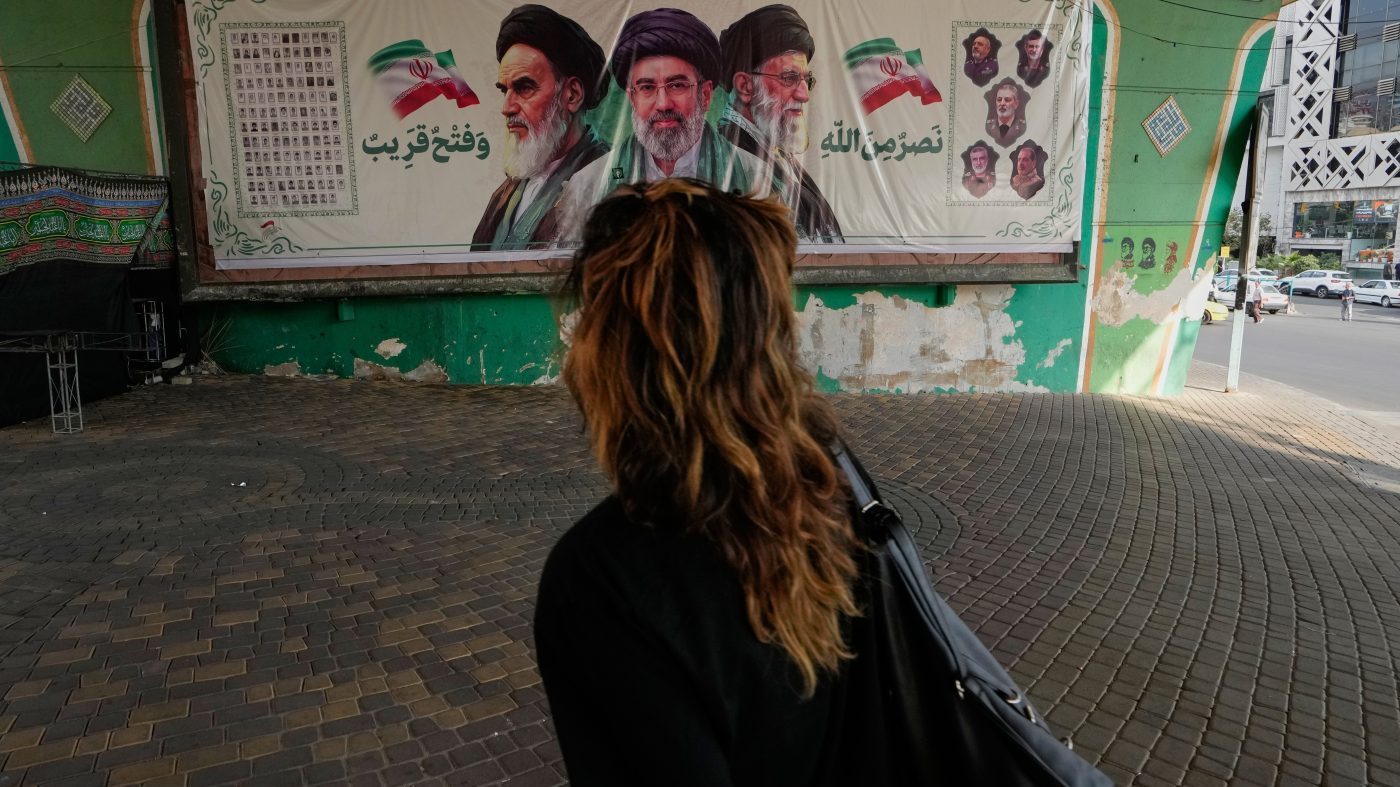
Beyond the core budget, the administration is also preparing a substantial supplemental funding request for ongoing military operations. The White House is expected to ask Congress for between $80 billion and $100 billion to fund the paused but unresolved conflict with Iran, a significant reduction from the $200 billion the Pentagon initially sought. The situation remains tense, particularly with the U.S. blockade on the Strait of Hormuz continuing to impact global energy markets, a point recently underscored by the Energy Secretary's warning about imminent gas price increases.
Broader Political Context
The defense budget showdown occurs amid other contentious political battles. The administration's broader fiscal blueprint, which pairs massive defense increases with deep domestic cuts, has been a flashpoint, as detailed when OMB Director Russ Vought defended the 2027 budget plan. Meanwhile, Hegseth's focus on Capitol Hill follows scrutiny over his engagement on other international security matters, including his noted absence from a key meeting on Ukraine defense coordination.
As Hegseth prepares for these high-stakes talks, the outcome will signal not only the viability of the administration's defense ambitions but also the potential for bipartisan cooperation in a deeply divided Congress facing multiple pressures, from internal security concerns to complex international commitments.