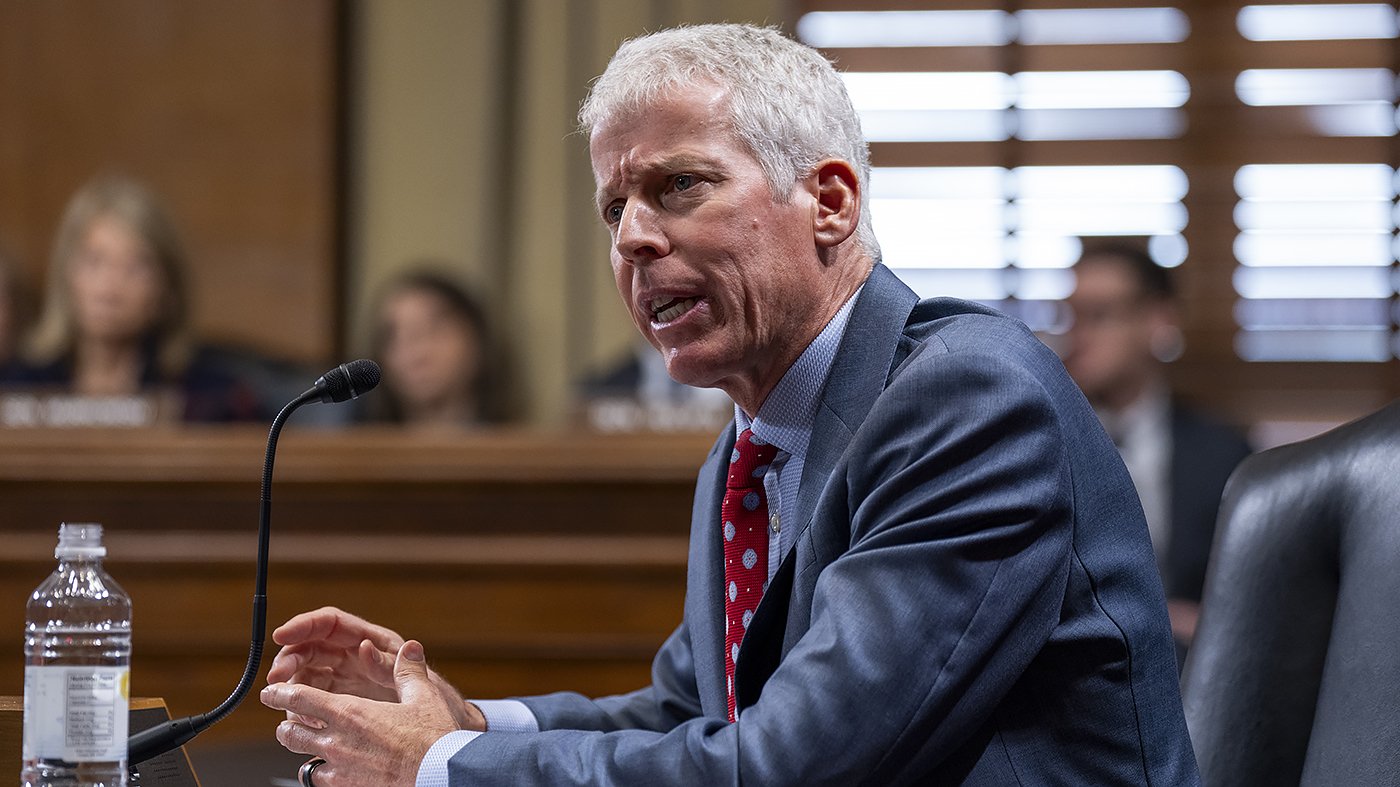
Energy Secretary Chris Wright warned on Monday that American consumers should brace for gasoline prices to climb further before reaching a peak, likely within the next few weeks. The forecast is directly tied to the ongoing disruption of global oil shipments through the Strait of Hormuz, a critical maritime chokepoint.
Hormuz Blockade Drives Price Surge
Speaking at Semafor's World Economy event in Washington, D.C., Wright linked sustained high energy costs to the security situation in the Middle East. "We're going to see energy prices remain high and potentially continue rising until we restore meaningful commercial traffic through the Straits of Hormuz," Wright said. He indicated that the resolution of this bottleneck would likely mark the peak for oil prices, an event he anticipates occurring in the near term.
When pressed on whether costs would increase before declining, the Secretary acknowledged the uncertainty of the conflict but confirmed it was a distinct possibility. His remarks provide a stark contrast to the more ambiguous statements from the White House. Over the weekend, President Trump offered an unclear outlook when asked if prices would fall before the midterm elections, telling Fox News, "It could be, it could be, or the same, or maybe a little bit higher."
Strategic Chokepoint and Political Fallout
The seven-week-old conflict with Iran has effectively halted transit through the Strait of Hormuz, which typically handles roughly 20% of the world's daily oil supply. This naval blockade has created a severe supply shock, sending both crude oil and refined gasoline prices soaring beyond normal seasonal patterns. While summer demand usually pushes prices higher, the current spike is unprecedented for the season.
The political implications are immediate and significant. With the November midterms approaching, sustained high prices at the pump threaten to become a major liability for the incumbent administration. Analysts suggest the economic pressure could jeopardize Republican efforts to maintain their congressional majorities, turning energy costs into a pivotal campaign issue.
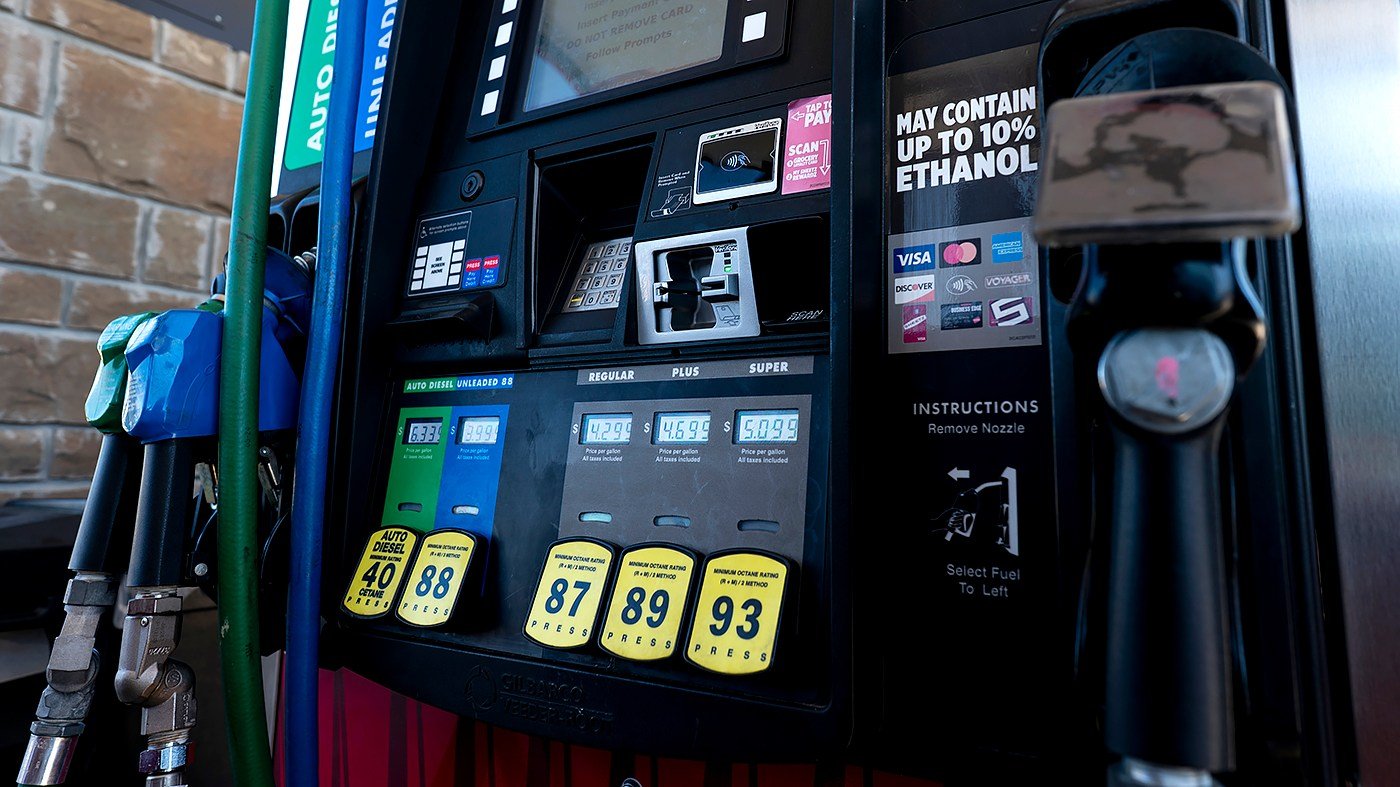
As of Tuesday, the national average for a gallon of regular gasoline stood at approximately $4.12, representing an increase of over one dollar since hostilities with Iran began. This surge is contributing to broader inflationary pressures, as seen in recent data showing U.S. inflation accelerating partly due to energy costs.
The administration's messaging on the issue has appeared inconsistent. While the Energy Secretary presents a sober assessment tied to geopolitical realities, the President's comments have been less definitive. This comes as other administration officials, like the EPA chief, have pointed to regulatory actions as a response to the price spike.
The situation underscores the fragile balance of global energy markets and how quickly geopolitical strife can impact domestic economics. All eyes remain on the Strait of Hormuz, where the U.S. Navy's enforcement of the blockade continues to hold the key to near-term price relief for American drivers.