With gas prices hitting a four-year high over Memorial Day weekend, many drivers are considering a switch to electric vehicles. But a new study from the personal finance platform MoneyLion underscores a critical reality: where you live can dramatically affect the cost of owning an EV.
The study broke down the average six-year ownership cost by state, factoring in annual charging expenses, auto loan payments, and interest. It used an average EV price of $55,211 and assumed a 13.5% down payment of $7,453.

The Cheapest States for EV Ownership
The top five cheapest states all share one key feature: no sales tax on vehicle purchases. Delaware leads the list, followed by Oregon, Montana, New Hampshire, and Alaska. This tax exemption can save thousands of dollars over the life of the vehicle, making these states particularly attractive for prospective EV buyers.
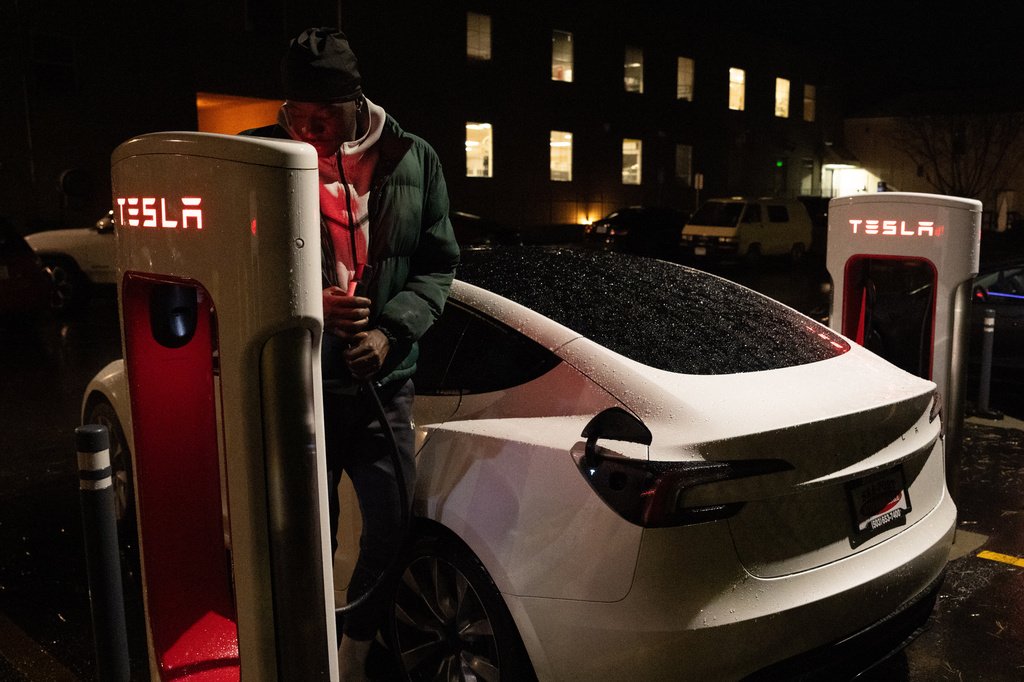
Annual charging costs also vary significantly. Kansas offers the lowest at $901 per year, while West Virginia drivers face the highest at $1,593. The study assumed 1,000 miles driven per month and an average charge range of 245 miles.
The Most Expensive States
On the opposite end, the five most expensive states for EV ownership are Washington, Tennessee, California, Illinois, and Louisiana. High electricity rates, sales taxes, and loan costs combine to push total six-year expenses well above the national average.
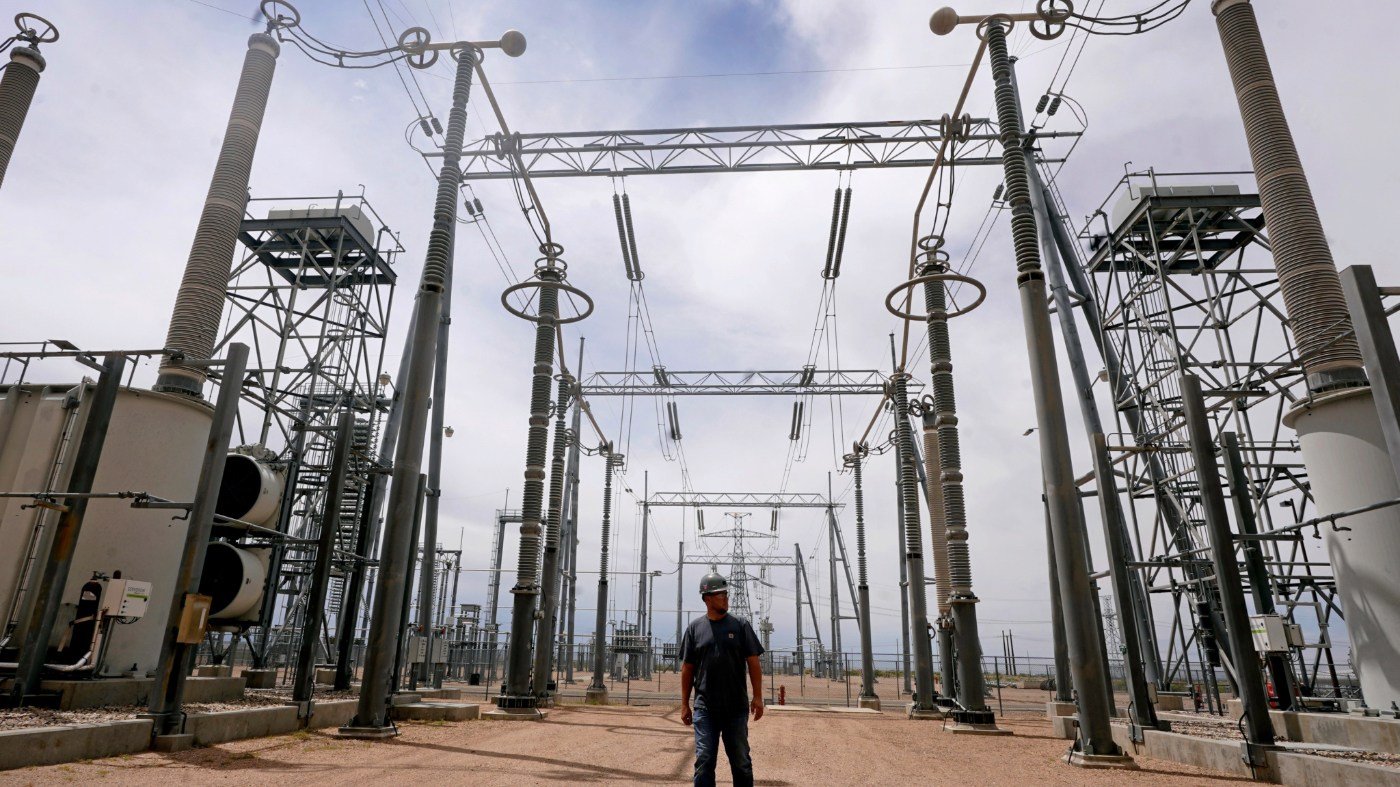
These regional disparities highlight how state-level policies and utility markets shape the economics of going electric. For example, states with deregulated electricity markets or high renewable energy mandates often see higher residential rates, which directly impact EV charging bills.
Do EVs Save Money Compared to Gas?
Despite the upfront cost barrier—the average new EV sold for $55,211 in April, compared to $49,461 for a gas car—experts say the long-term savings are substantial. “We’re talking about thousands and thousands of dollars,” said Peter Zalzal, an attorney with the Environmental Defense Fund. “And as gas prices increase, those savings are only greater. Fuel costs are a big piece of overall vehicle costs, and increases in fuel prices have significant impacts on people.”
University of California, Davis economics professor Erich Muehlegger noted that EV owners are insulated from the volatility that plagues gasoline markets. “Residential electricity prices are regulated and are much less volatile than gasoline prices,” he told the Associated Press. “As a result, EV owners are largely unaffected by oil price shocks.”
This stability is a key selling point, especially as geopolitical tensions—like those affecting the Strait of Hormuz—can send gas prices soaring. Meanwhile, state-level tax incentives and charging infrastructure investments continue to shape the EV landscape, making some regions far more favorable than others.
For drivers weighing the switch, the message is clear: location matters. Whether it’s a sales-tax-free state like Delaware or a high-cost market like California, the financial calculus of EV ownership depends heavily on where you park.