President Trump appears intent on upending decades of U.S. policy toward both China and Taiwan, but he clings to the one approach most likely to trigger a cross-strait crisis. Since his 2016 election, Trump has broken with precedent by taking a congratulatory call from then-Taiwanese President Tsai Ing-wen — the first direct contact between a U.S. president and a Taiwanese leader since 1979, when Jimmy Carter severed diplomatic ties with Taipei. Yet Trump has not repeated that call, nor has Joe Biden, both wary of antagonizing Xi Jinping.
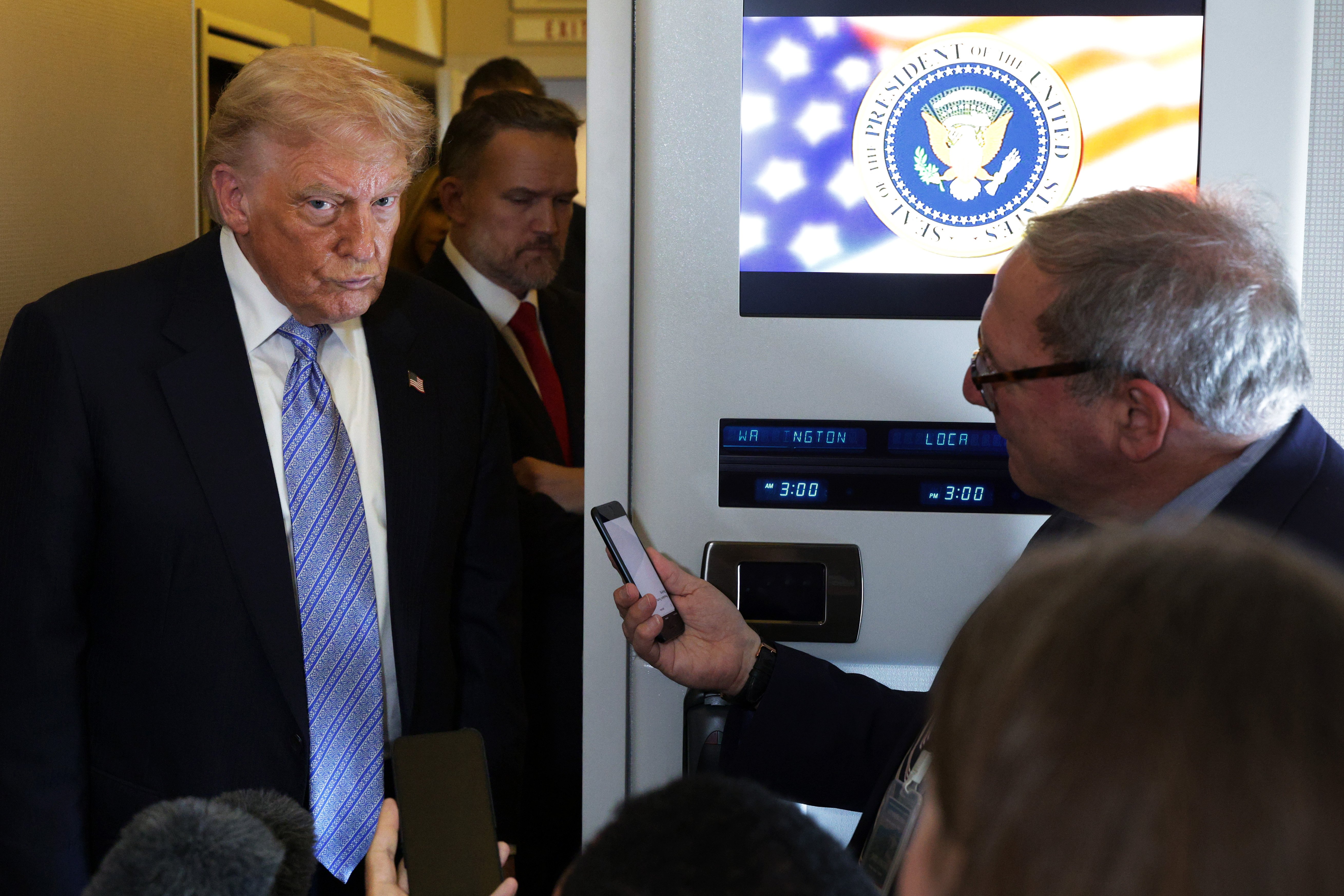
During a recent face-to-face meeting with Xi, Trump openly discussed his pending decision on a $14 billion weapons package for Taiwan. That conversation directly violates the first two of the Six Assurances, a 1982 policy framework under which President Reagan pledged not to set a cutoff date for arms sales and not to consult Beijing on the matter. Trump told reporters he had done exactly that, and when reminded of the policy, he dismissed it as outdated. “I don’t feel bound by something that old,” he said, raising questions about his commitment to the Taiwan Relations Act.
Xi has been pressing Trump to adopt a stronger stance against Taiwan independence, moving from “does not support” to outright opposition. Given Trump’s eagerness for a trade deal, analysts worry about further concessions made behind closed doors. Trump has also described the arms sale as a “bargaining chip,” signaling a transactional view of Taiwan’s security.
Trump’s admiration for Xi — another strongman leader — and his dismissive comments about Taiwan’s semiconductor industry and military capacity suggest he sees the island primarily as a pawn in a larger geopolitical game. He has not articulated a clear commitment to defend Taiwan against Chinese aggression, leaving the longstanding policy of strategic ambiguity intact.
Critics argue Trump missed a chance to establish strategic clarity. They urge him to use an upcoming phone call with Taiwan’s current president, Lai Ching-te, to affirm U.S. backing and announce the weapons sale. Successive administrations have avoided such clarity, but Trump’s willingness to break norms could be used to deter Beijing.
The implications extend beyond Taiwan. Trump’s approach has alarmed allies and fueled concerns about U.S. reliability. As he navigates trade talks and security commitments, the risk of miscalculation grows. His recent tariff adjustments show a pattern of using economic tools for leverage, but on Taiwan, the stakes are far higher.
Without a firm signal from Washington, Beijing may test the limits of U.S. resolve. Trump’s next move — or inaction — could reshape the balance of power in the Pacific. As with Iran, adversaries see openings where Trump hesitates.