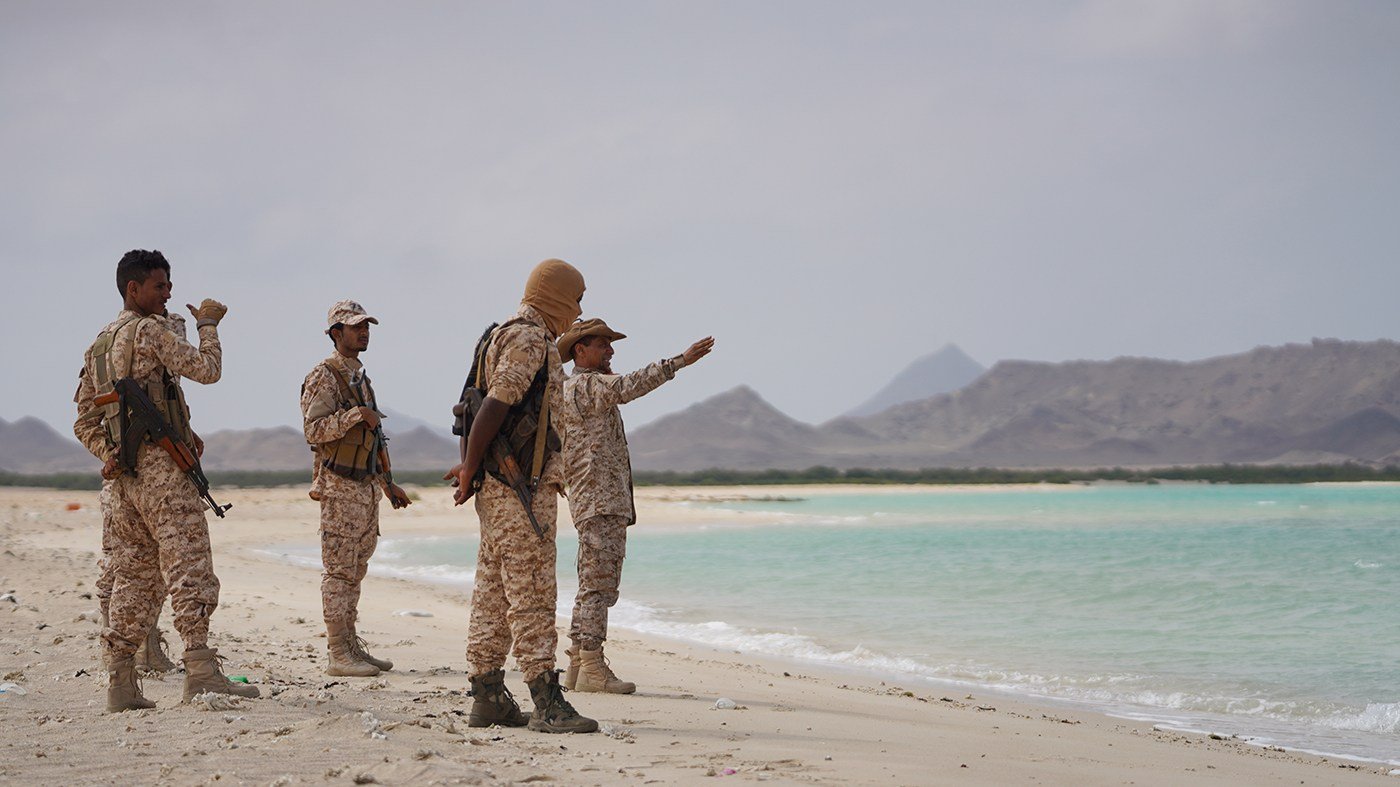
Iran's Islamic Revolutionary Guard Corps announced Saturday it is reasserting what it calls "strict management and control" over the strategic Strait of Hormuz, a critical reversal that comes as a two-week ceasefire in the region nears its conclusion and a U.S. naval blockade remains in full effect. The IRGC stated the vital waterway would return to its "previous state" under their authority.
"Until the United States ends its obstruction of the full freedom of movement of vessels from and to Iran, the situation in the Strait of Hormuz will remain under strict control," an IRGC spokesperson declared in a statement posted on social media platform X.
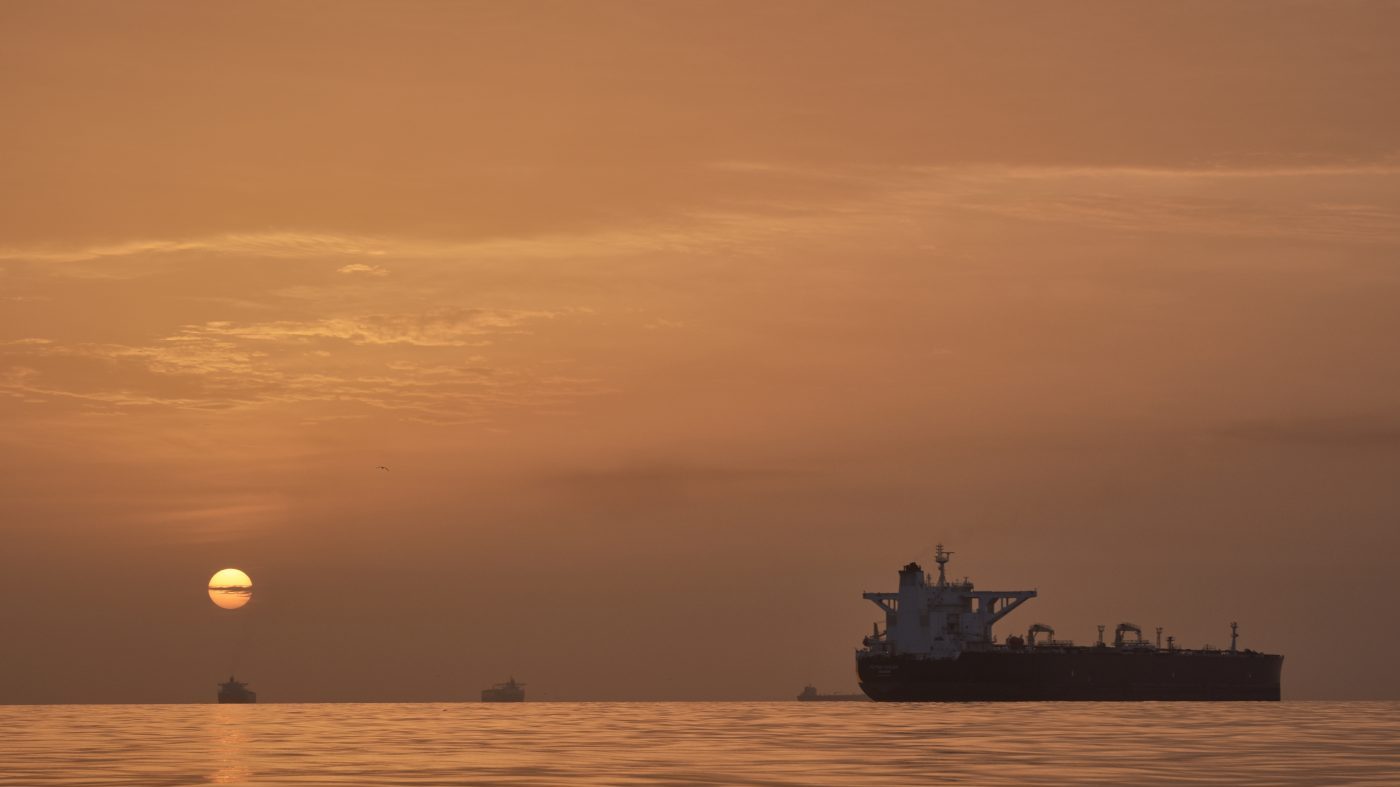
The announcement was accompanied by reports of escalating military activity. The United Kingdom Maritime Trade Operations Center confirmed that two IRGC gunboats opened fire on a commercial tanker transiting the strait. The agency reported the vessel and its crew were unharmed. The IRGC later confirmed it fired upon two ships it claimed were attempting to bypass Iranian authority.
This aggressive posture directly contradicts a statement made just one day prior by Iranian Foreign Minister Abbas Araghchi, who had declared the strait "completely open for the remaining period of ceasefire" to all commercial shipping. The about-face highlights the volatile and contradictory signals emanating from Tehran regarding its maritime policy. This pattern of contradictory declarations is not new, as seen in previous episodes where Iran has threatened closure while also claiming the waterway is open.
President Trump, who had welcomed the foreign minister's Friday announcement, immediately responded that the U.S. naval blockade would remain in "full force" until a comprehensive deal is reached with Iran. The blockade was initiated last week after Tehran announced new tolls on oil tankers using the waterway, a move the U.S. administration deemed economic coercion.
The geopolitical standoff has sent shockwaves through global energy markets. Approximately one-fifth of the world's daily oil consumption normally flows through the narrow chokepoint. The effective closure and associated risks have already driven U.S. inflation higher and pushed average gasoline prices above four dollars per gallon. The U.S. naval blockade has crippled Iran's economy while simultaneously raising fears of sustained high global energy prices.
The Trump administration has downplayed concerns over rising costs, characterizing them as short-term pains necessary to achieve a strategic outcome. Negotiations, mediated by Pakistan, have continued during the temporary truce. President Trump indicated on Friday that if a deal is not reached by the ceasefire's expiration next week, the U.S. could launch new airstrikes on Iranian targets, though he expressed optimism an agreement was within reach.
Pakistani Foreign Minister Mohammad Ishaq Dar stated he is "very hopeful" about the talks' trajectory, citing a related diplomatic victory: a temporary ceasefire between Israel and Lebanon, which was reportedly secured under pressure from Iran. "We are hoping and still working in the background that we should bridge the gap on a couple of pending issues, one of which was also Lebanon," Dar said during an event in Turkey. "Lebanon, we have good news that there's a ceasefire."
The situation remains precarious, with the potential for a significant military escalation if diplomacy fails. The reinstatement of strict Iranian military control, combined with the ongoing U.S. blockade, creates a high-risk environment for global shipping and energy security. The outcome of the Pakistan-mediated talks in the coming days will be critical in determining whether the region descends into renewed conflict or finds a path toward de-escalation. The stakes extend far beyond the Persian Gulf, impacting global economic stability and the broader strategic balance in the Middle East, a region where the U.S. president has vowed to prevent Iran from obtaining nuclear weapons amid contradictory signals.