In a direct challenge to U.S. authority, Iran's parliamentary speaker declared Friday that Tehran will close the Strait of Hormuz if Washington maintains its naval blockade of Iranian ports. The threat from Speaker Mohammad-Bagher Qalibaf directly contradicted President Donald Trump's announcement hours earlier that the strategic waterway was "open for business."
Conflicting Declarations Escalate Tensions
Qalibaf issued his warning via social media platform X as Trump was delivering a speech at a Turning Point USA event in Phoenix. "With the continuation of the blockade, the Strait of Hormuz will not remain open," Qalibaf wrote, adding that any future passage would require Iranian authorization and follow a "designated route." He emphasized that operational decisions would be made "by the field, not by social media."
The Iranian official framed the exchange as part of broader information warfare, stating that "media warfare and engineering public opinion are an important part of the war" and asserting Iran's immunity to such tactics. His comments came amid ongoing increasing economic pressure from the U.S. naval blockade, which has significantly restricted Iran's oil exports.
Market Volatility Follows Mixed Signals
Earlier Friday, Trump had announced on Truth Social that Iran had agreed to keep the strait open, following what he described as an Iranian foreign ministry statement about maintaining access during a ceasefire period. The president claimed Iran had agreed to an "unlimited" suspension of its nuclear program and would hand over its "nuclear dust," though Tehran offered no confirmation of these assertions.
Financial markets reacted sharply to the apparent de-escalation, with stocks rallying and oil prices plunging 12 percent. However, the contradictory statements from Iranian officials created confusion, with the state-linked Fars News Agency questioning Foreign Minister Abbas Araghchi's original post about the strait's openness and describing Iranian society as "plunged into an atmosphere of confusion."
Strategic Waterway at Center of Standoff
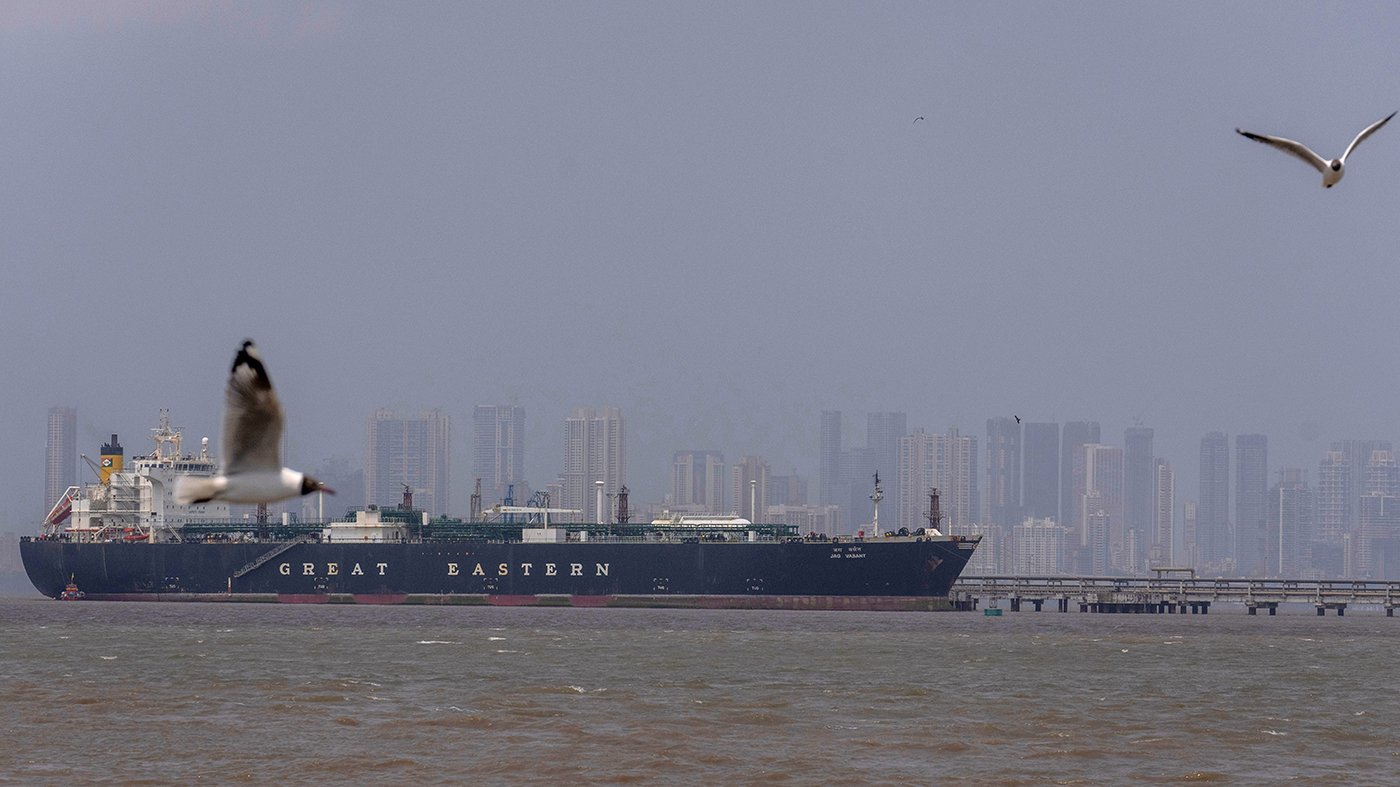
The Strait of Hormuz represents one of the world's most critical maritime chokepoints, through which approximately 20% of global oil consumption passes. The threat of closure carries immediate implications for global energy security and European fuel supplies, particularly as the International Energy Agency has warned of tightening inventories.
Trump maintained during a Bloomberg interview that the U.S. blockade would continue despite his announcement about the strait's status. The blockade has already demonstrated its effectiveness, with multiple vessels reportedly turning back after encountering U.S. naval warnings. This enforcement has created significant leverage for Washington in negotiations.
Broader Geopolitical Context
The exchange occurs against a backdrop of heightened military readiness in the region. U.S. officials, including Pete Hegseth, are expected to detail ongoing military operations as the blockade tests the durability of the ceasefire. The situation has drawn support from American allies who view the naval pressure as shifting dynamics in the long-standing confrontation with Iran.
Domestically, the administration's approach has faced minimal congressional resistance, with analysts noting that legislative deference has enabled expansive executive action in foreign policy. The White House had not responded to requests for comment on Qalibaf's latest threat as of Friday evening.
The conflicting narratives from Washington and Tehran suggest both sides are attempting to control the information landscape while maintaining military and economic pressure. With Qalibaf's declaration that Iran will determine the strait's status "by the field," the potential for miscalculation or escalation remains significant as both nations test each other's red lines in one of the world's most volatile regions.