The head of the International Energy Agency issued a stark warning Thursday that Europe faces a critical shortage of jet fuel within approximately six weeks if the ongoing closure of the Strait of Hormuz persists. IEA Executive Director Fatih Birol described the situation as "the largest energy crisis we have ever faced," with global oil and gas prices already surging and further economic damage imminent.
Immediate Threat to Air Travel
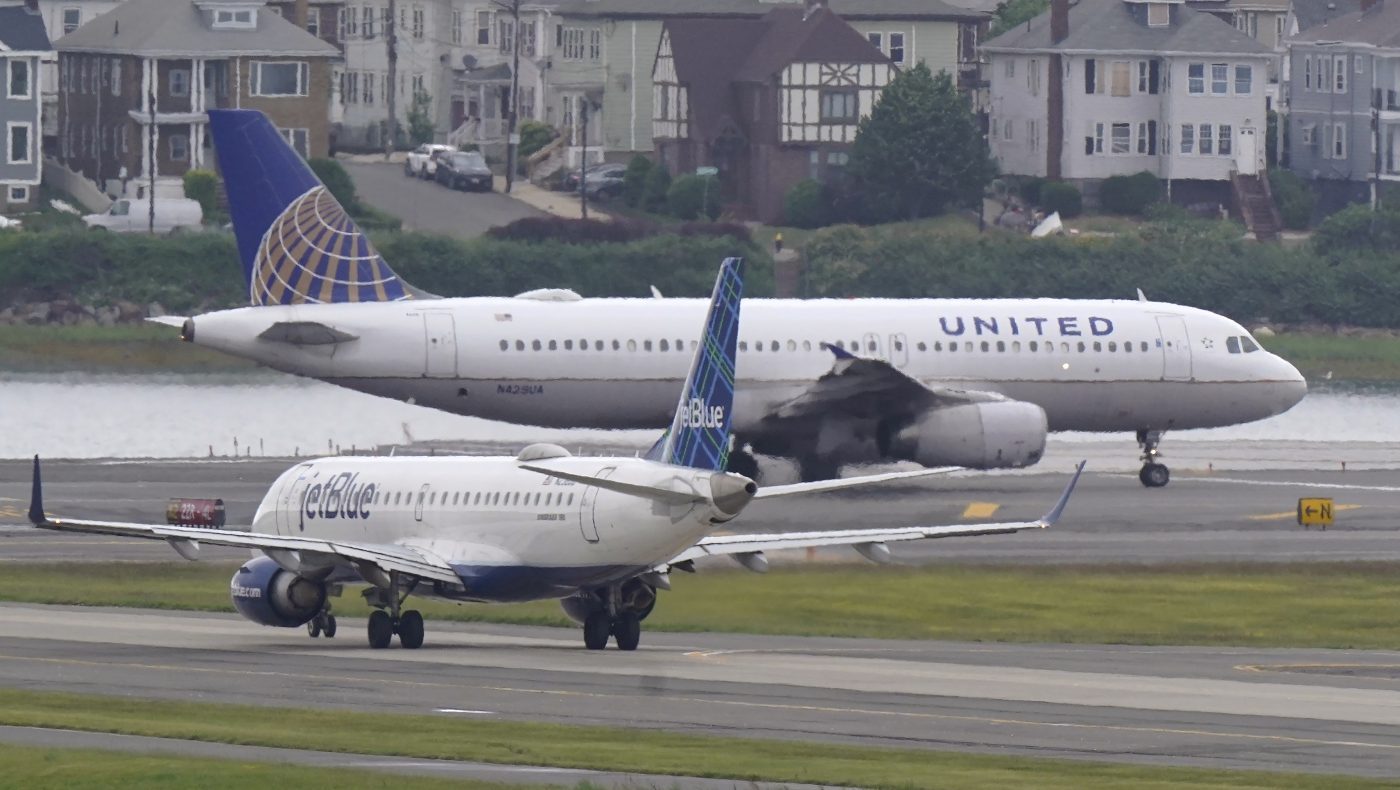
"In Europe, we have maybe six weeks or so of jet fuel left," Birol told The Associated Press. He explicitly warned that without a resolution, "soon we will hear the news that some of the flights from city A to city B might be canceled as a result of lack of jet fuel." The crisis stems from the strategic waterway's shutdown, which has severed a vital artery for global energy supplies.
Birol emphasized that the economic pain would be widespread but unevenly distributed, with developing nations in Latin America, Africa, and Asia facing the most severe consequences. He projected that many countries "will go from the high inflation numbers to coming close to slow growth or even to recession in some cases" should the strait remain closed through the end of May.
Geopolitical Stalemate at the Strait
The closure follows Iran's decision to shut the passage twice—first after the outbreak of regional conflict and again last week, despite a 14-day ceasefire agreement with the U.S. Iranian officials cited Israeli strikes on Lebanon as a violation. It remains uncertain whether a subsequent 10-day ceasefire between Israel and Lebanon, reached Thursday, will influence Tehran's position on reopening the maritime route.
The United States has responded with a military blockade, deploying naval assets to prevent vessels from transiting the strait, which handles roughly one-fifth of the world's oil and gas. This move followed the collapse of peace talks between Washington and Tehran over the weekend. General Dan Caine, Chairman of the Joint Chiefs of Staff, stated Thursday that the U.S. naval blockade has already turned back 13 ships, and any vessel failing to comply would be "dealt with accordingly."
Long-Term Energy Infrastructure Damage
Birol cautioned that simply allowing the more than 110 oil tankers and 15 LNG carriers currently trapped in the Persian Gulf to pass would be insufficient to resolve the broader crisis. He revealed that "over 80 key assets in the region have been damaged" during the conflict, with more than one-third "severely or very severely damaged."
"It will be extremely optimistic to believe that it will be very quick," Birol said regarding recovery. "It will take gradually, gradually, up to two years to come back where we were before the war." This assessment underscores the profound and lasting impact on global energy markets, complicating efforts to stabilize supply.
Global Economic Repercussions
In a pointed reference, the IEA chief likened the situation to the rock band Dire Straits, stating, "It's a dire strait now, and it is going to have major implications for the global economy. And the longer it goes, the worse it will be for the economic growth and inflation around the world." His warning comes as the conflict continues to disrupt global energy markets, prompting calls for conservation and emergency measures.
The standoff also highlights broader tensions over executive authority in foreign conflicts, reminiscent of recent legislative battles where Senate Republicans blocked challenges to war powers, cementing presidential control over military engagements with Iran.
Birol concluded with a grim prognosis for all nations if diplomacy fails: "Everybody is going to suffer." The crisis now presents a critical test for international diplomacy and energy security, with Europe's aviation sector on a rapidly tightening clock.