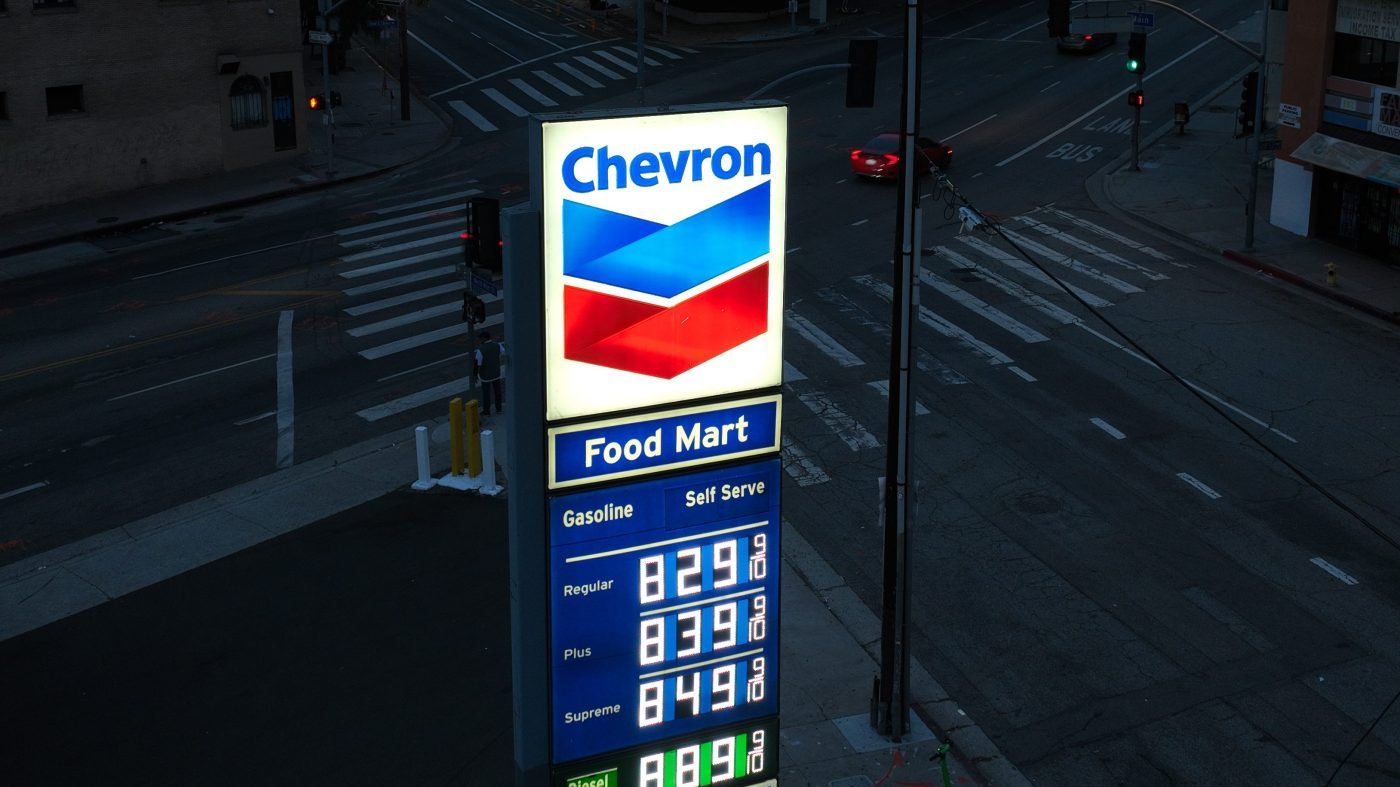
Amid escalating military tensions with Iran that have roiled global energy markets, a top Chevron executive has issued a blunt recommendation to American consumers: drive less. Andy Walz, a senior official at the oil giant, stated in a recent CBS News interview that conservation is necessary to offset rising prices triggered by the conflict.
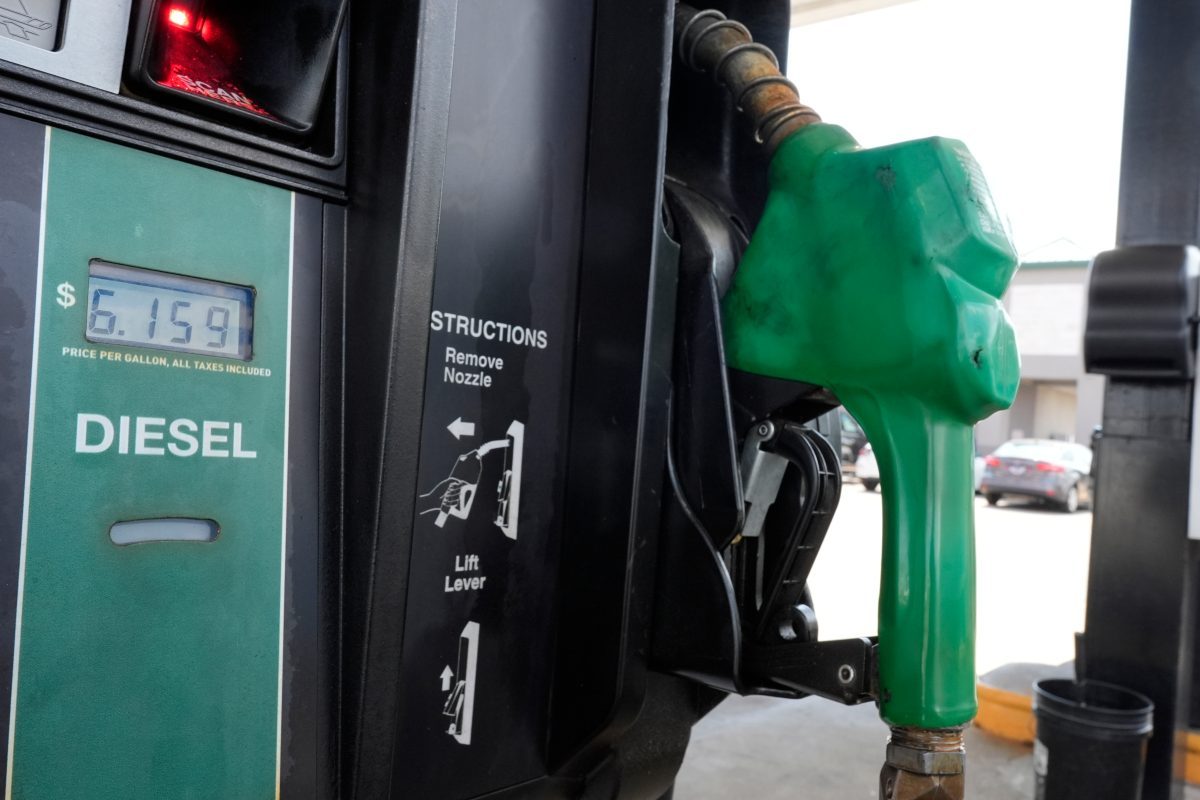
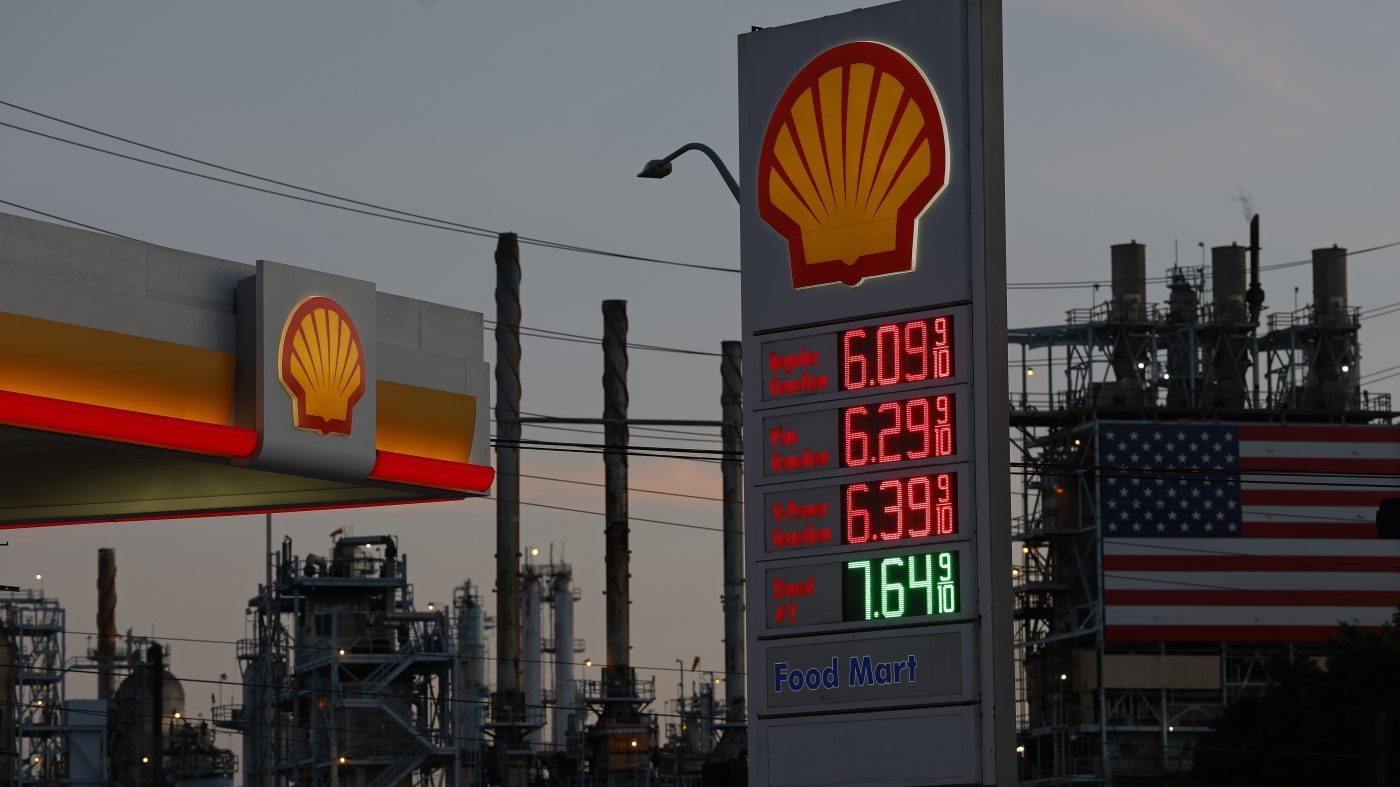
"People should try to conserve energy," Walz said. "We should be doing that all the time. Energy's essential for people's lives, but we should conserve it." His comments come as the average price for a gallon of standard gasoline in the U.S. has surged past $4, with broader economic implications.
Conflict Chokes Critical Oil Corridor
The price spike follows the launch of U.S. military action, dubbed Operation Epic Fury, against Iran on February 28. Tehran's retaliatory strikes targeted American assets and energy infrastructure in the Gulf region, effectively blocking the vital Strait of Hormuz—a maritime chokepoint for roughly one-fifth of the world's oil shipments. This disruption caused the international benchmark Brent crude price to jump to $118 a barrel by late March.
While a temporary ceasefire has provided some market relief, bringing Brent to around $95 a barrel this week, instability persists. The Iranian regime has attempted to impose costly tolls on oil tankers, prompting President Trump to announce a U.S. naval blockade of the strait to secure the flow of commerce.
No "Silver Bullet" for Prices
Walz acknowledged there is no quick fix for sustained high prices. "It's a global market for crude," he told CBS. "If this goes on for an extended period of time, it's probably gonna get tougher." He noted that U.S. reliance on domestic production provides a buffer, but warned of a looming global shortage with severe supply chain consequences.
"There's countries in Asia and other parts of the world that rely heavily on Middle East crude," Walz explained. "They can't get it. They can't refine it... They can't make the products people need, and they're starting to run out, and that is a real problem. We're worried about price here. There's other countries that don't have the products."
Political and Economic Fallout
The energy price surge is exacerbating broader inflation concerns, with recent data showing the highest annual rate increase in nearly four years. This economic pressure is feeding into voter anxiety ahead of the midterm elections, with polls indicating about 70% of Americans are concerned about higher gas prices. President Trump is now working to defend his record on affordability against this backdrop.
The White House has downplayed the economic threat, characterizing the price increases as "short-term disruptions." In a statement, spokesperson Kush Desai said, "As the Administration ensures the free flow of energy through the Strait of Hormuz, the American economy remains on a solid trajectory thanks to the Administration's robust supply-side agenda of tax cuts, deregulation, and energy abundance."
However, the market volatility is having ripple effects beyond the pump. For instance, major U.S. airlines have raised baggage fees in response to soaring jet fuel costs linked to the crisis. Meanwhile, legislative efforts to address costs, such as the Democrats' Fair Prices Act, face criticism over their potential impact on consumers.
The Chevron executive's unusual public plea for conservation underscores the severity of the market disruption and its potential duration. With the Strait of Hormuz remaining a flashpoint and global crude supplies constrained, American drivers and the broader economy face continued pressure from energy costs fueled by geopolitical conflict.