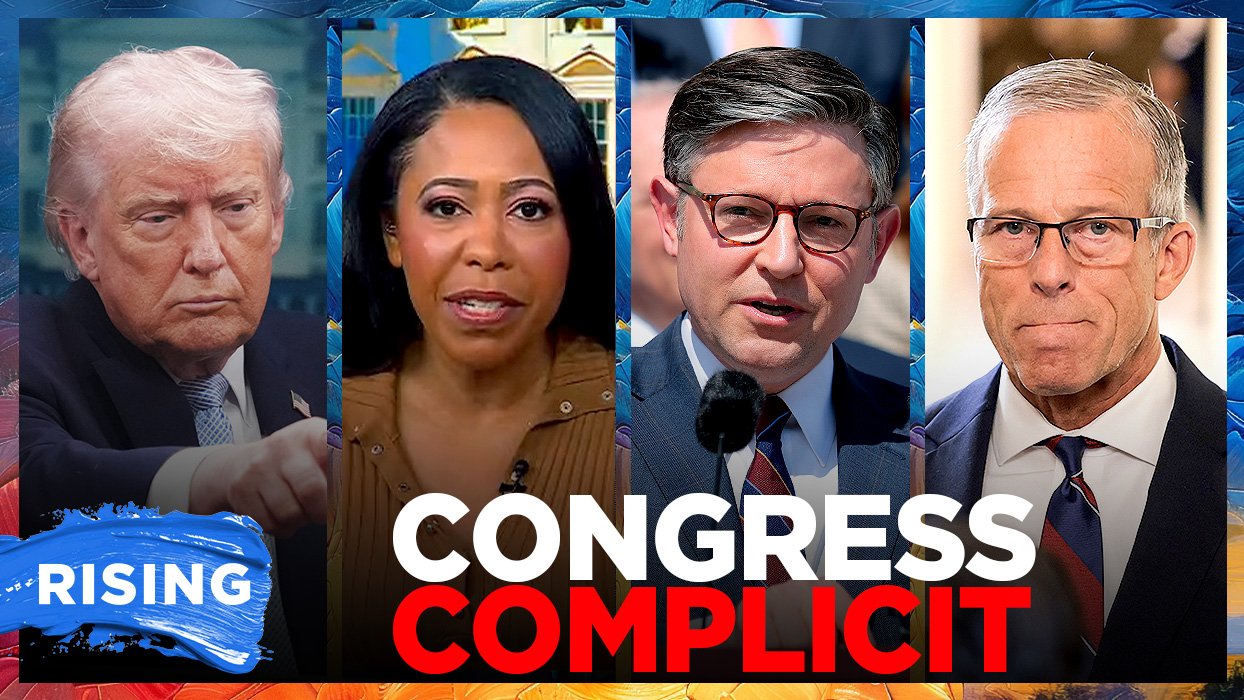
For the fourth time since military tensions with Iran intensified, Senate Republicans have voted to block a resolution that would have reasserted congressional authority over war-making decisions, effectively endorsing the executive branch's unilateral management of the ongoing conflict. The procedural vote represents another deliberate choice by the majority not to draw a clearer boundary between presidential action and legislative oversight.
While debates over the War Powers Act often appear technical, the fundamental question at stake is concrete: which branch of government holds the ultimate authority to commit American forces, determine the duration of a conflict, and control its financial burden. On its surface, this concerns a specific resolution; in practice, it tests whether Congress is prepared to fulfill its constitutional role as a check on executive power during wartime.

The Rising Costs of Ambiguity
The conflict, now entering another phase without a defined conclusion, carries mounting consequences. Global oil markets have experienced significant volatility, critical shipping lanes face persistent threats, and the Department of Defense is preparing a substantial funding request—reportedly near $200 billion—to sustain operations. This figure represents a direct allocation of public funds toward a military engagement that numerous legislators concede they do not comprehensively understand.
Unease is not confined to the opposition. Within Republican ranks, there are audible concerns about the lack of clarity. Senator Lisa Murkowski articulated this frustration after fielding questions from constituents, stating plainly, "The answer on most of this is, I don't know… I want to know some of the answers to the questions Alaskans are asking me. I think we need to have open hearings." Her remarks highlight a basic disconnect: those responsible for appropriating funds and representing the public acknowledge a deficit of essential information.
Other GOP senators have echoed calls for more detailed briefings, greater transparency, and a coherent long-term strategy. Some have admitted their own briefings have been sparse since the initial stages of the confrontation, as detailed in related coverage of the administration's internal search for accountability over war policy. Despite these expressions of concern, they have not translated into decisive legislative action.
Party Over Institution
When the moment for a recorded vote arrived, the majority of the Republican conference again aligned with the White House, permitting the conflict to proceed without new congressional constraints. This dynamic underscores a prevailing political reality: even amid substantive doubts, partisan loyalty frequently supersedes institutional duty. The Democratic minority, invoking the original intent of the War Powers Act, argues the situation exemplifies the need for a legislative brake to prevent prolonged, presidentially-directed warfare.
The result is a status quo where military engagement continues, expenditures climb, and rigorous oversight remains effectively voluntary. This precedent extends beyond the current administration or the immediate theater. Each time Congress declines to exercise its constitutional war powers, it weakens that authority for future presidents, regardless of party. The erosion of this check risks creating a lasting imbalance in how the nation decides to go to war.
The financial implications are already being felt domestically, with figures like Vice President Kamala Harris directly linking the conflict to economic pressure on Americans, as reported in our analysis of the political blame over rising fuel costs. Meanwhile, the administration's focus appears divided, with attention also on domestic symbolic projects, such as the controversial clearance of a large-scale triumphal arch design.
The central question persists: when will legislative concern manifest as concrete action? The system of checks and balances depends not on its theoretical existence but on its active use. As the conflict evolves without a clear congressional mandate, the distance between the government's actions and the informed consent of the governed it represents continues to widen.